The Story
Why it exists.
The beginning
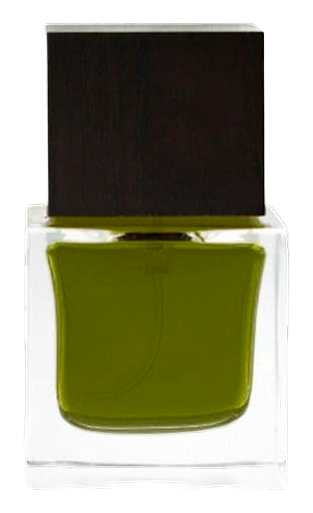
Hana Matsuri translates directly: flower festival. The moment in spring when cherry blossoms arrive and an entire culture pauses to witness them. Shinohara Yasuyuki built this fragrance around that pause, the intersection of celebration and impermanence that defines Japanese aesthetics. The name isn't metaphor. It's the brief window when petals open and the air carries something fragile enough to matter. DI SER's fifteen years of agarwood research inform the base here, but the real story belongs to the opening. Yuzu, Japanese tangerine, magnolia, citrus that arrives clean and cool, like the hour before a temple garden opens to visitors. No announcement. Just presence.
What makes this structure unusual is the sanshō pepper. Most floral compositions treat spice as a warm intrusion, something that deepens the base or adds weight to the drydown. Here it lives in the heart, threading through the cherry blossom and violet leaf, keeping the florals from becoming precious. The Sakhalin fir adds another layer of restraint: not the typical cedar warmth but something cooler, cleaner, alpine rather than forest-floor. The result is a fragrance that earns its name. Hana Matsuri isn't a bouquet. It's the atmosphere of a specific two-week window, bright, temporary, and precise enough that missing it feels like loss.
The evolution
The opening hour is brief and austere. Citrus lifts without warming, yuzu and tangerine arriving in quick succession before the magnolia rounds everything into something cleaner than bright. The first hour reads like the moment before a garden opens, crisp air, waiting. Cherry blossom takes longer than expected. Most fragrances treat it as an immediate softness, a pink puff that announces spring. Here it arrives quietly around the second hour, already threaded with violet leaf and the sanshō pepper's subtle lift. The combination holds for a few hours without becoming heavy or sweet. The drydown is where this fragrance earns its oakmoss. Not the aggressive mossiness of vintage compositions but something quieter, damp stone, vetiver's earth, a whisper of agarwood that settles close to skin rather than projecting outward. Six to eight hours on most skin types, closer and more intimate in its final act. On fabric, it fades within a few hours. On skin, it lingers the way cherry blossoms do: noticed most when you're not looking.
Cultural impact
Hana Matsuri occupies a specific corner of the niche market, the intersection of Japanese cultural sensibility and all-natural perfumery. It's a fragrance that asks something of its wearer: attention, patience, an appreciation for subtlety over spectacle. The reception skews toward those who already know DI SER's philosophy, drawn to restraint as a form of confidence rather than limitation. Without specific press coverage or industry recognition in the available sources, the cultural footprint remains quiet, appropriate for a fragrance that refuses to announce itself. What can be said is that the composition represents a particular approach to spring florals: clean, cool, grounded rather than delicate.