Sansho Pepper
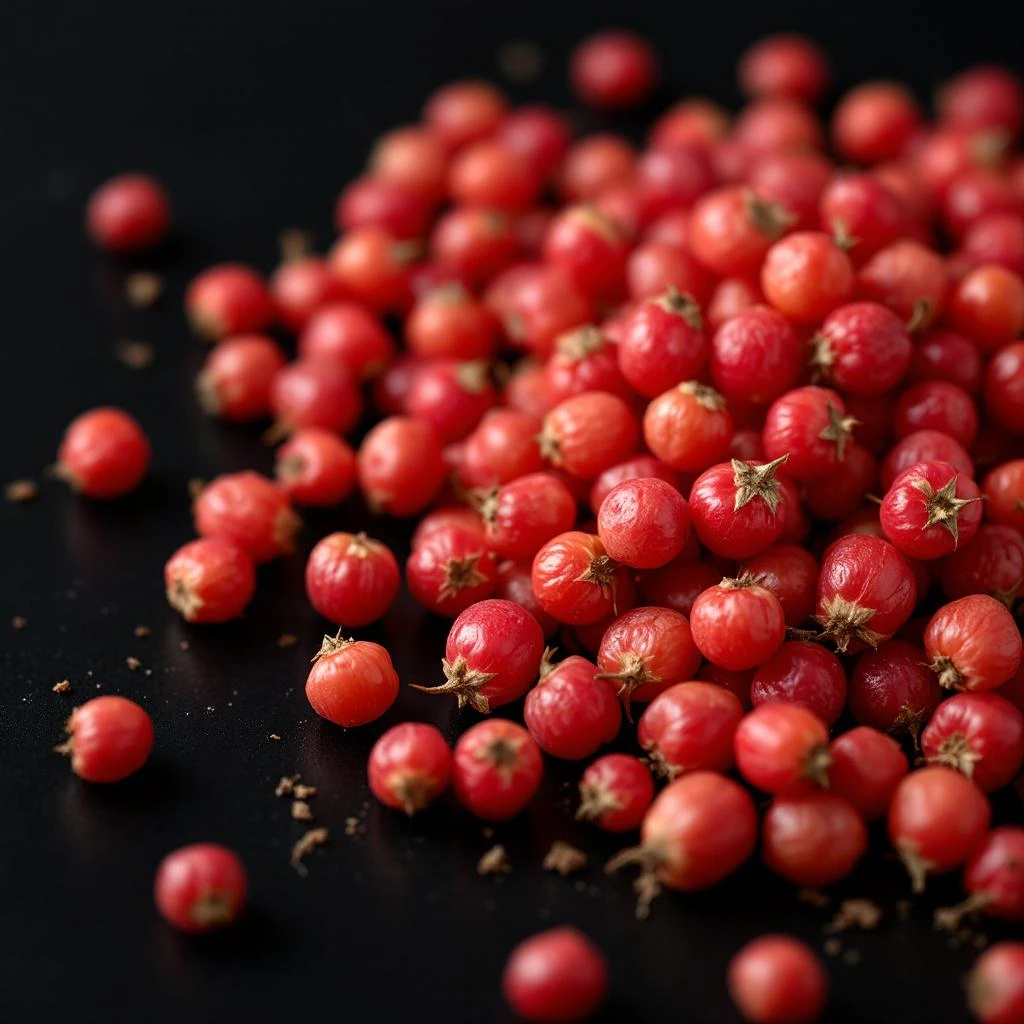
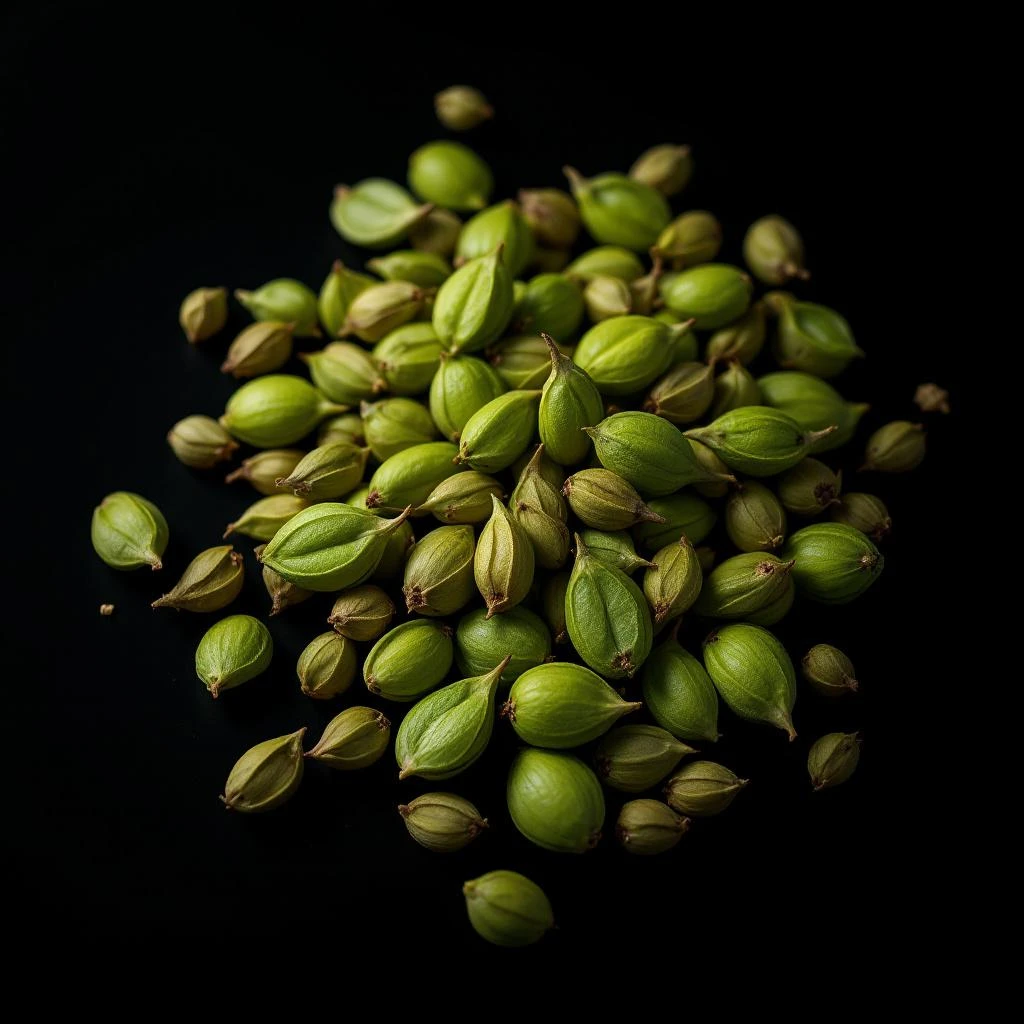
A distinctive Japanese botanical from the Zanthoxylum family, sansho pepper delivers a unique tingly citrus-spice sensation that sets it apart from conventional pepper varieties. While revered in cuisine for over two millennia, this ingredient remains an intriguing rarity in perfumery.
Character
How it smells
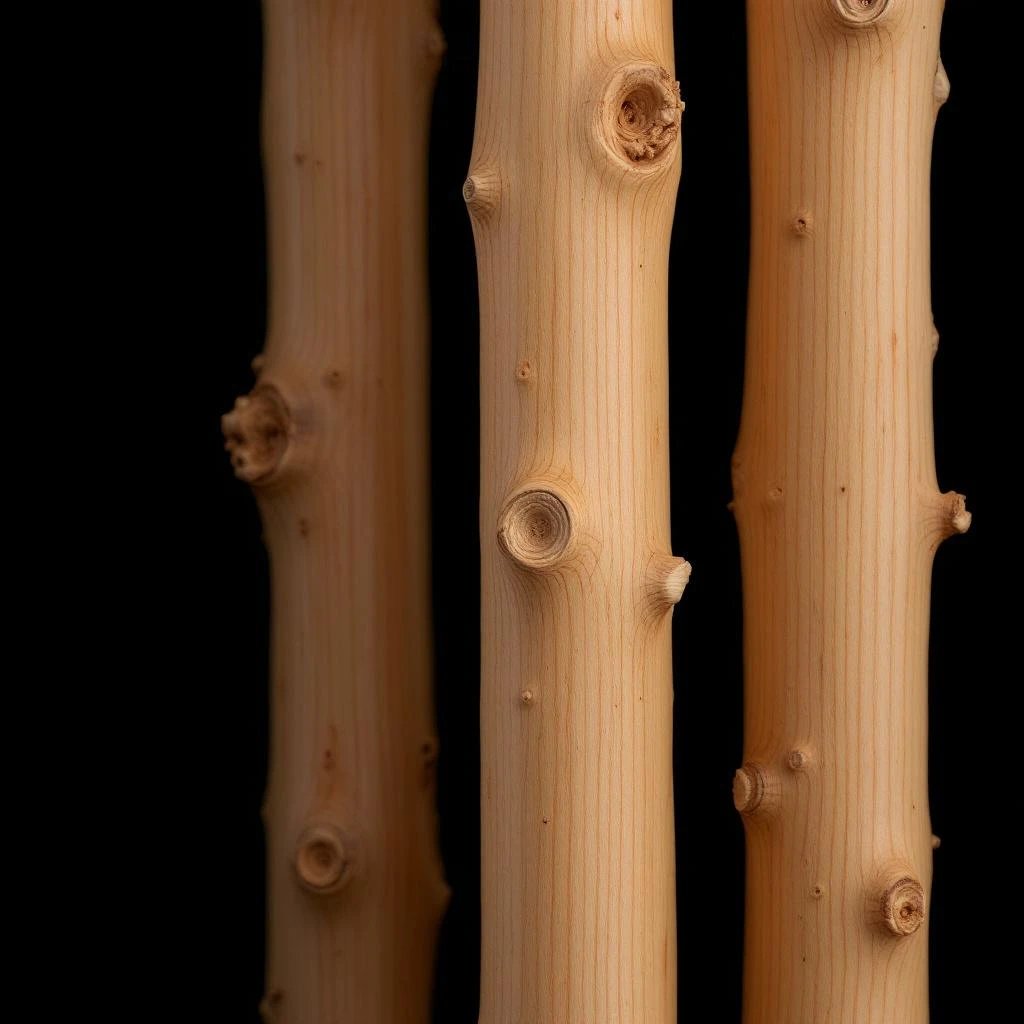
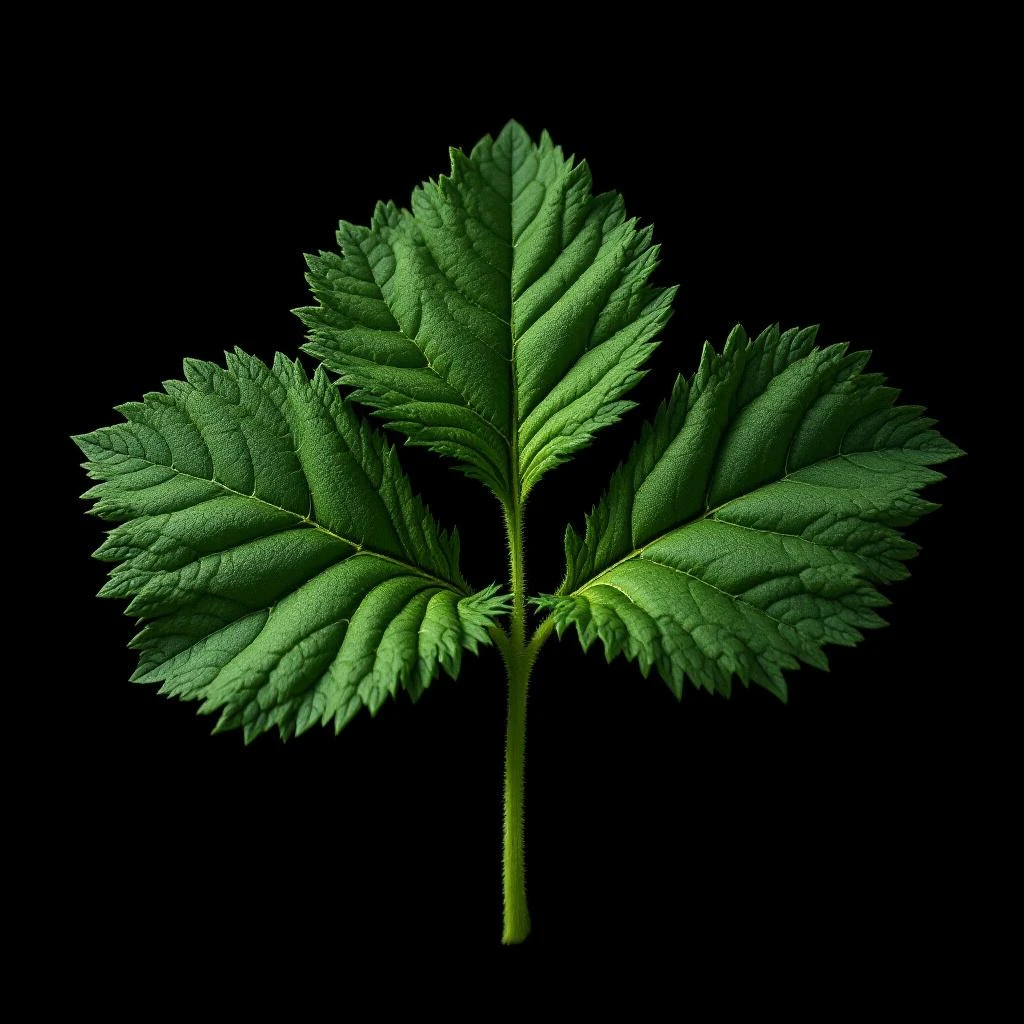
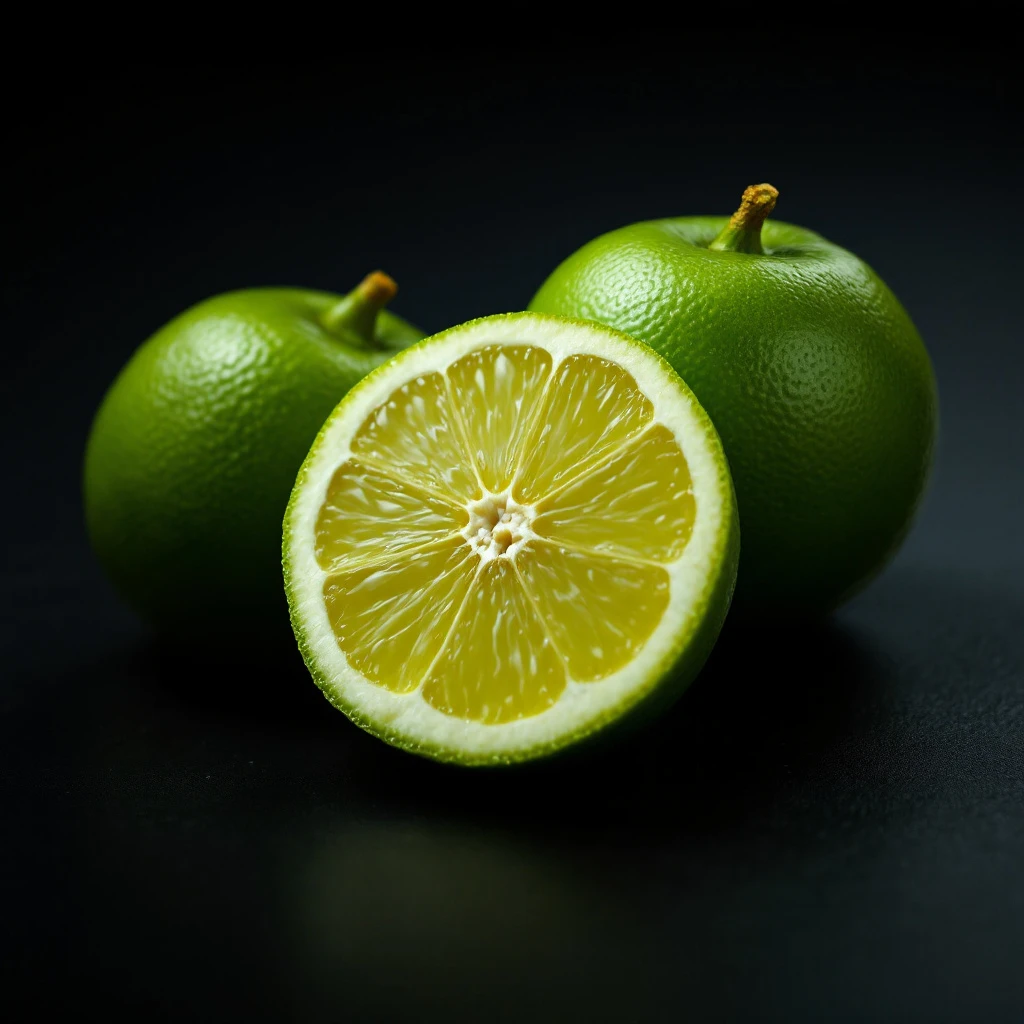
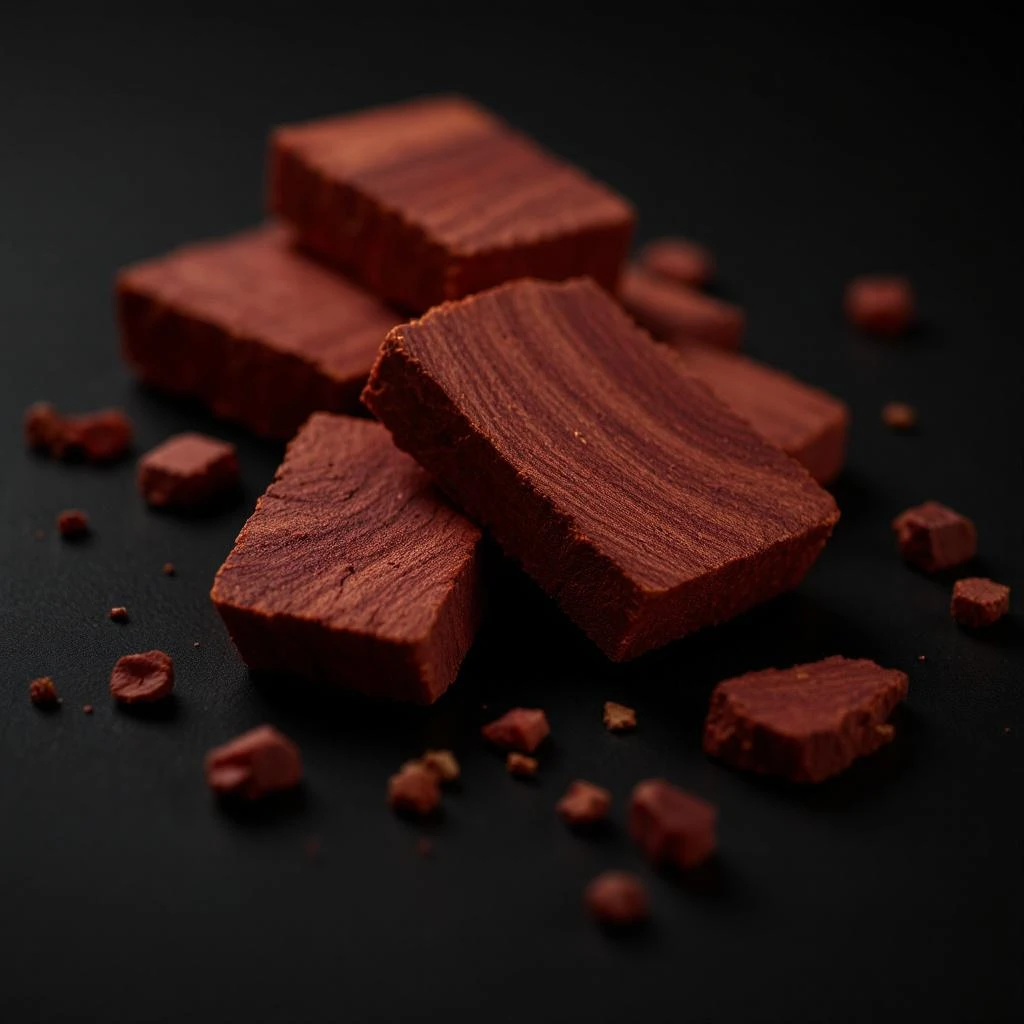
Citrus-spice with a signature tingle.
Sansho contains sanshool, a compound that creates a distinctive tingly, almost electric sensation on the palate, unlike any other pepper.


Origin
Japan
Sansho pepper's story begins in ancient China more than 2,000 years ago, where it held ceremonial and medicinal significance before becoming a culinary staple. The ingredient crossed into Japan, where it embedded itself deeply in regional food culture, particularly gaining prominence in Kyoto and Osaka.
Traditional Japanese cuisine embraced sansho for its ability to complement fish, tofu, and vegetable dishes while adding its signature aromatic lift. Beyond the kitchen, sansho leaves were used in traditional medicine and the pericarp was featured in Shinto rituals.
Aridagawa Town in Wakayama Prefecture developed particular expertise in cultivation, while Kochi Prefecture's Ochi Town began commercial production approximately 25 years ago. The ingredient's journey from ancient Asian remedy to contemporary culinary delight reflects its enduring sensory appeal.
Wears it best
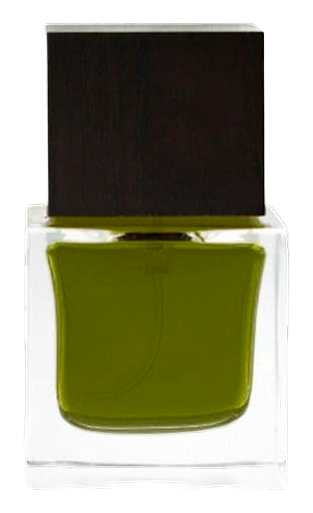
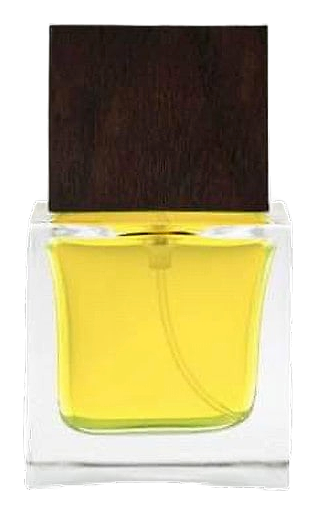
Fragrances featuring Sansho Pepper

Good to know
Questions, answered
The essentials on Sansho Pepper in perfumery: how it smells, where it comes from, and how it behaves on skin.
What does sansho pepper smell like in perfumery?
Sansho pepper extract presents a nuanced aromatic profile combining citrus brightness, delicate floral undertones, and subtle herbaceous depth. This combination distinguishes it from conventional pepper materials, though its use in perfumery remains rare and largely experimental.
Is sansho pepper related to black pepper?
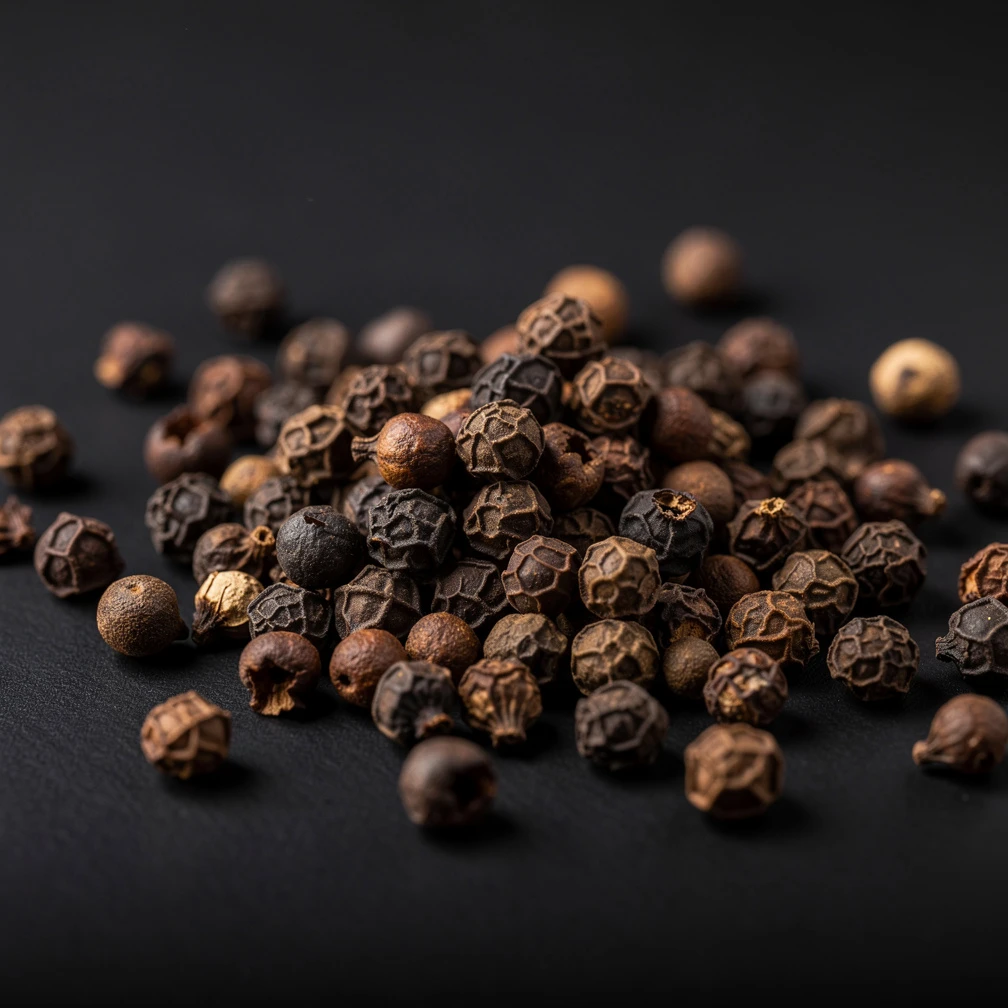
No, sansho belongs to the Zanthoxylum genus in the Rutaceae family, while black pepper comes from Piper nigrum. The two share only the pepper name. Sansho's characteristic tingly sensation comes from sanshool, a compound absent in true peppers.
What gives sansho its signature tingly sensation?
Sanshool, an alkylamide compound in sansho berries, activates receptors in the mouth that sense vibration and texture. This produces a distinctive tingling, slightly numbing effect distinct from the heat of chili or the bite of black pepper.
Where does commercial sansho cultivation occur?
Japan produces the majority of commercial sansho, with Wakayama Prefecture's Aridagawa Town and Kochi Prefecture serving as primary growing regions. These areas offer the warm, humid conditions with partial shade that sansho plants prefer.
Can sansho be used in fragrance creation?
While not a standard perfumery ingredient, sansho extract offers aromatic potential for niche fragrance development. Its citrus-floral-spice character could complement avant-garde compositions, though sourcing and formulation present challenges.
How does sansho differ from Sichuan peppercorn?
Both belong to the Zanthoxylum genus but are different species with distinct flavor profiles. Sansho (Zanthoxylum piperitum) offers brighter, more citrus-forward notes, while Sichuan pepper (Zanthoxylum armatum) delivers a more intensely floral, piney character.
What traditional preparations use sansho in Japanese cuisine?
Sansho seasons grilled fish, tempura, hot pot dishes, and chilled tofu. It also flavors wagashi confections and accompaniments like nemegi. The whole berry or ground pericarp provides both flavor and visual garnish.
What growing conditions does the sansho plant require?
Zanthoxylum piperitum thrives in warm, humid climates with well-drained soil and partial shade. The plant grows best at moderate elevations in Japanese mountain regions, typically harvested when berries remain green.