Green Shiikuwasha
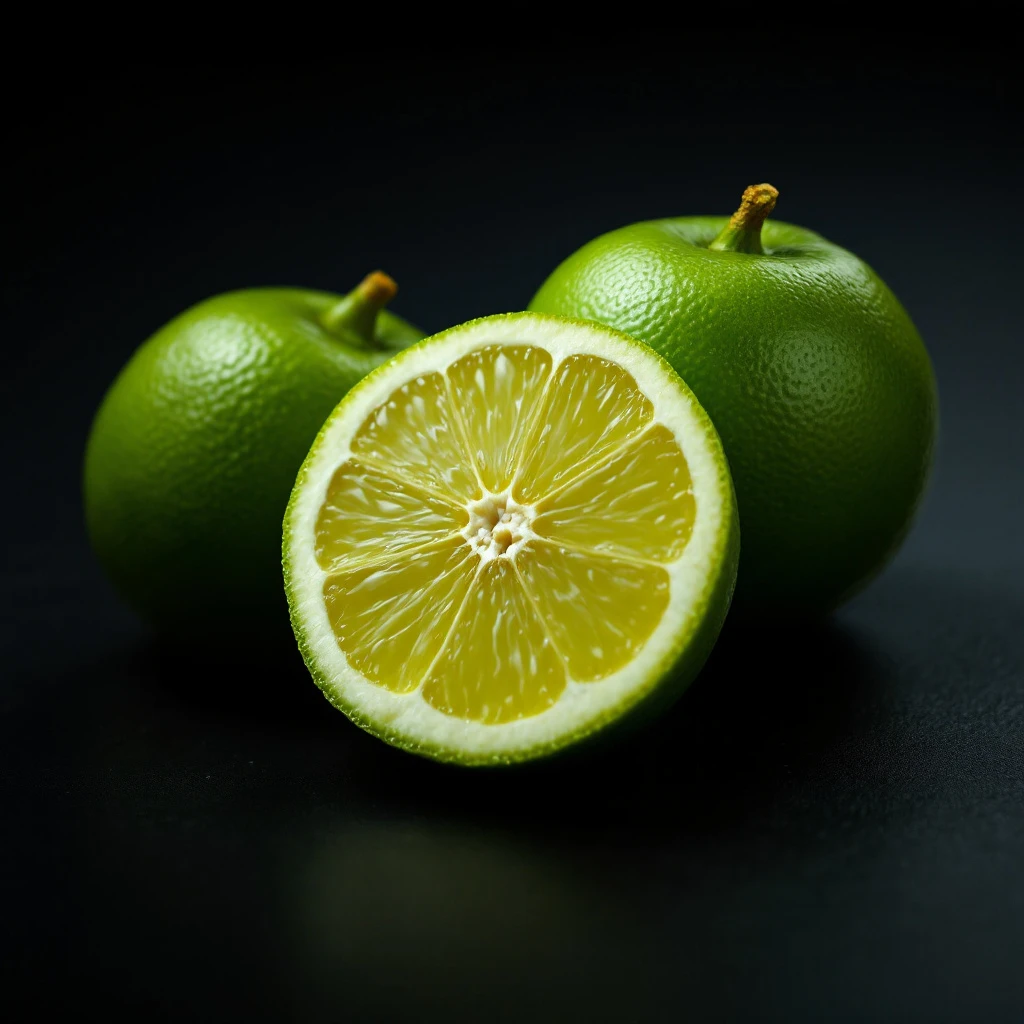
A rare Okinawan citrus pressed from unripe Shiikuwasha peel. Grown on volcanic islands, this green expression captures the fruit before sweetness arrives, yielding a tart, intensely fresh aroma with grassy undertones rarely found in commercial citrus.
Character
How it smells
Okinawa's untamed citrus, captured green.
Shiikuwasha trees grow wild on Okinawa's limestone cliffs, surviving typhoons that destroy more delicate citrus crops.


Origin
Japan
Shiikuwasha (Citrus depressa) has grown wild on the Ryukyu Islands for over a thousand years. Indigenous to Okinawa's subtropical climate, the fruit appears in ancient Ryukyuan texts as both culinary ingredient and ceremonial offering.
Local farmers began selective cultivation during the 17th century, recognizing which hillside groves produced the most aromatic fruit. For centuries, island communities used Shiikuwasha in traditional dishes and medicinal preparations.
The fragrance industry discovered this ingredient in the early 2000s, when perfumers seeking novel citrus materials explored Okinawan botanicals. The green, unripe expression represents a deliberate choice to capture the fruit at its most tart and complex stage.
Wears it best
Fragrances featuring Green Shiikuwasha

Brands
Brands known for Green Shiikuwasha
Good to know
Questions, answered
The essentials on Green Shiikuwasha in perfumery: how it smells, where it comes from, and how it behaves on skin.
What does Green Shiikuwasha smell like?
Green Shiikuwasha delivers a sharp, tart citrus aroma with green, almost grassy undertones. Unlike sweeter citrus oils, it carries a pleasant bitterness reminiscent of unripe fruit. The scent is intensely fresh, slightly floral, and far more complex than standard lemon or bergamot.
Where does Green Shiikuwasha originate?
This ingredient comes from Citrus depressa trees growing wild in Okinawa, Japan. The Ryukyu Islands' subtropical climate, volcanic soil, and high humidity create unique growing conditions that influence the fruit's aromatic profile.
How is Green Shiikuwasha oil produced?
Producers extract the oil through cold expression of the unripe green fruit peel. This mechanical process avoids heat, which protects delicate citrus aromatics. The harvest timing is crucial: fruit must be picked before ripening to capture the signature green, tart character.
Is Green Shiikuwasha sustainable?
Production remains limited due to the fruit's narrow geographic range and seasonal harvest. However, many Okinawan growers practice traditional cultivation methods with minimal intervention, and wild-harvested sources help protect native citrus populations.
How does green Shiikuwasha differ from regular citrus oils?
Standard citrus oils like bergamot or orange come from fully ripened fruit and emphasize sweetness. Green Shiikuwasha is harvested unripe, preserving higher levels of aldehydic compounds and a pronounced tartness that reads as green rather than sweet.
What fragrance families use Green Shiikuwasha?
Perfumers use it primarily in bright citrus and green fragrance constructions. It works particularly well in summer scents, aromatic compositions, and any fragrance aiming for a fresh, natural citrus character that goes beyond conventional lemon or grapefruit.
Does synthetic Green Shiikuwasha exist?
No equivalent synthetic replication captures the full complexity of natural Shiikuwasha oil. However, aroma chemists have developed citrus bases that approximate certain facets, particularly the aldehydic freshness. Natural cold-pressed oil remains the preferred choice for authentic character.
What season is Shiikuwasha harvested?
Green Shiikuwasha is harvested in late summer, typically August to September, before the fruit naturally ripens to yellow. This unripe timing is essential for the ingredient's signature tartness and green aromatic profile that defines its perfumery value.