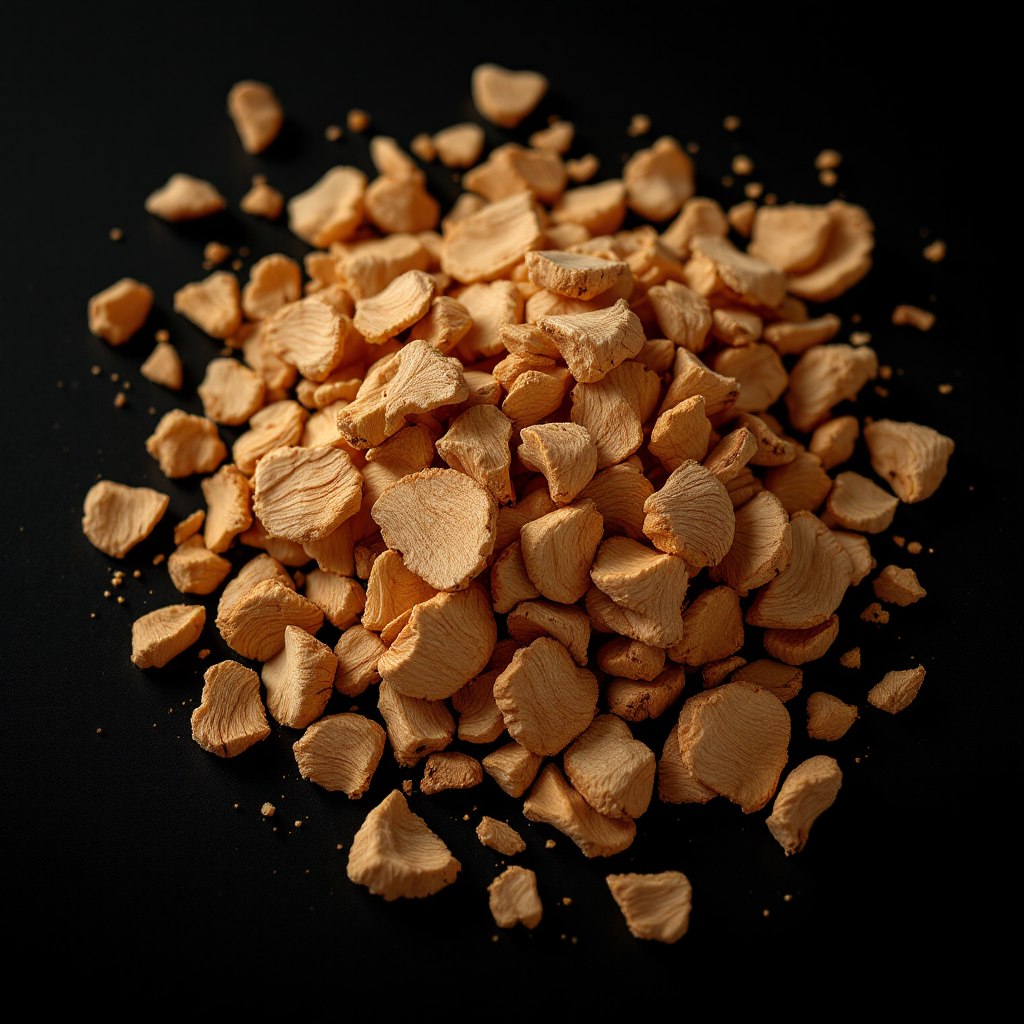
Sakhalin Fir
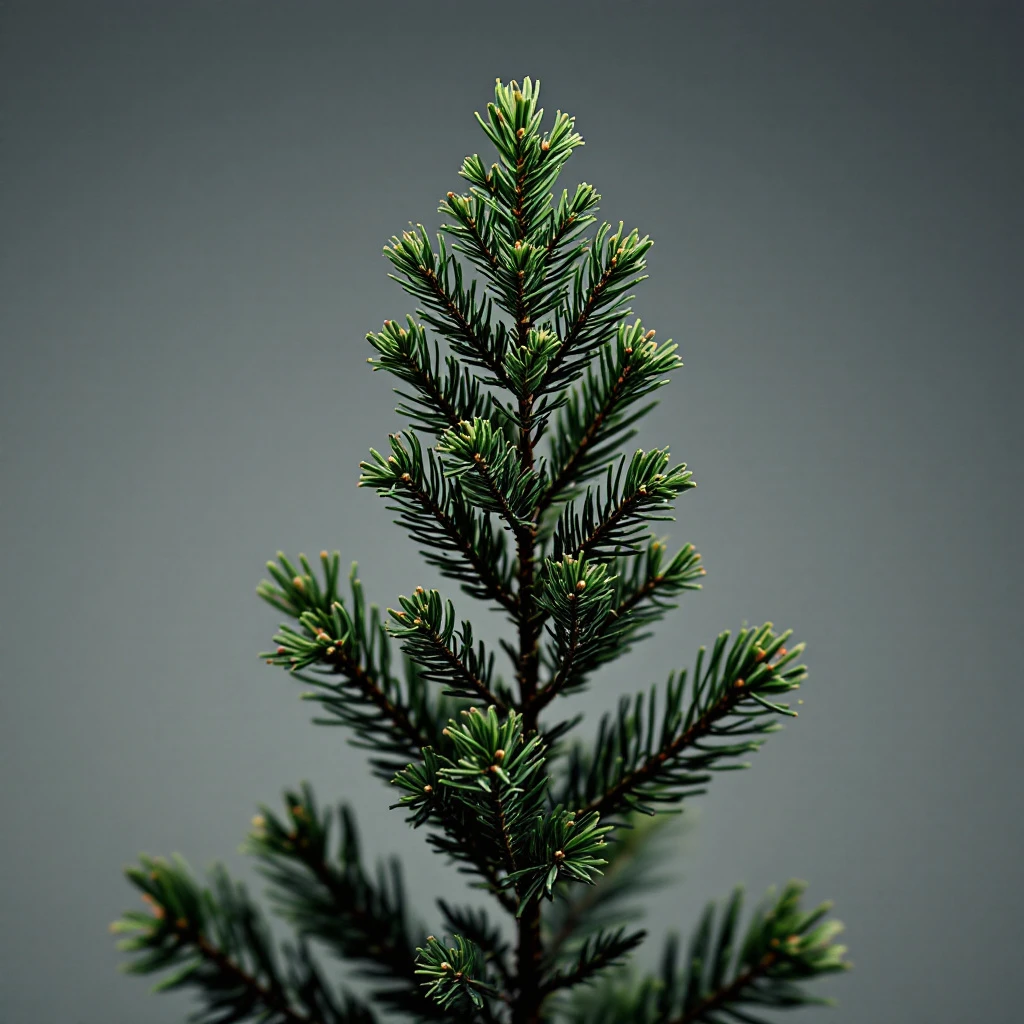
Sakhalin Fir captures the untamed essence of Russia's Far East, offering a crisp, coniferous aroma that evokes vast northern forests, frozen coastlines, and the bracing air of remote wilderness.
Character
How it smells
Russia's Far East distilled into forest-fresh clarity
Sakhalin Island lies at the same latitude as southern Alaska, yet experiences some of the world's heaviest snowfall, which shapes the fir's resilient aromatic character.





Origin
Russia
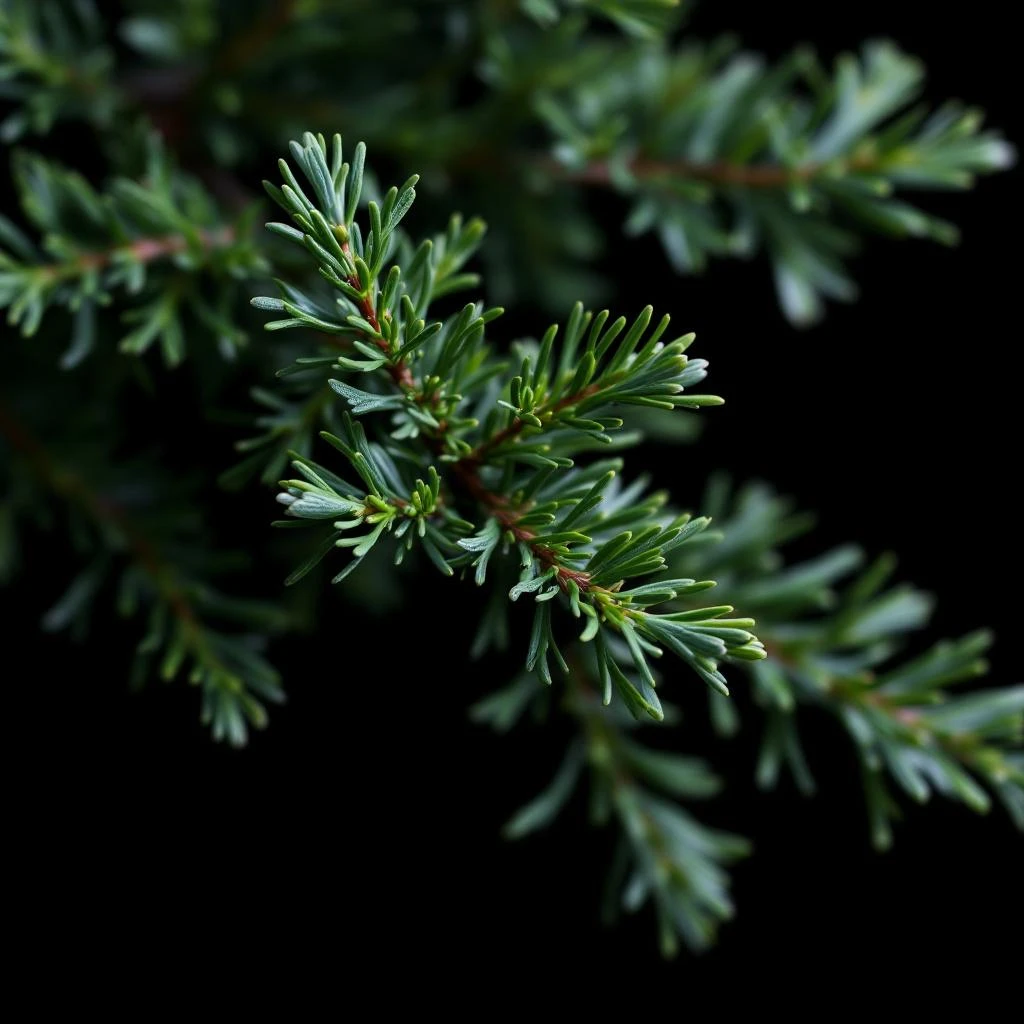
Sakhalin Fir grows exclusively on Sakhalin Island and the southern Kuril Islands, a remote territory contested between Russia and Japan for centuries. Indigenous peoples of the region used fir boughs in ceremonial sauna rituals and traditional medicine long before European settlers arrived.
Japanese perfumers began systematically studying the species in the early 20th century, recognizing its distinct character compared to other conifer oils. The ingredient gained international attention after Soviet-era botanical surveys documented its unique chemical composition, particularly elevated levels of bornyl acetate, which gives the oil its distinctive camphoraceous freshness.
Wears it best
Fragrances featuring Sakhalin Fir
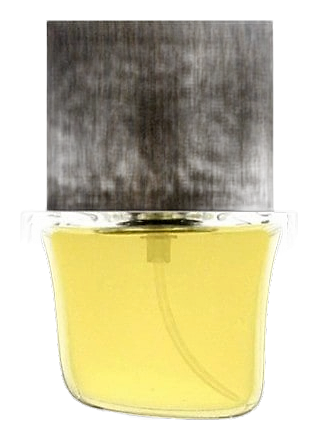
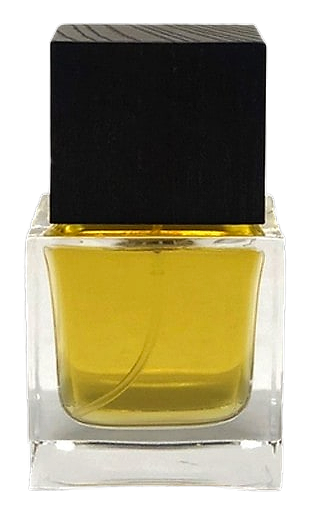
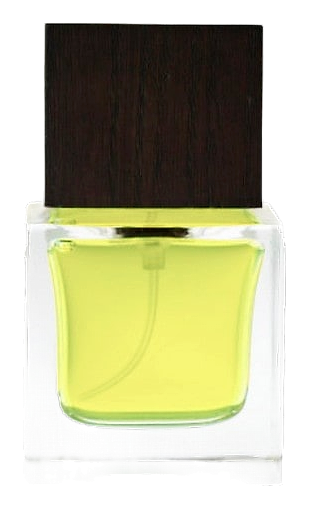
Brands
Brands known for Sakhalin Fir
Good to know
Questions, answered
The essentials on Sakhalin Fir in perfumery: how it smells, where it comes from, and how it behaves on skin.
What does Sakhalin Fir smell like?
It presents a sharp, fresh coniferous aroma with pronounced green and camphoraceous top notes, balanced by warm, balsamic undertones reminiscent of other fir oils but with greater clarity and a distinctive maritime freshness.
Is Sakhalin Fir oil sustainable?
Wild-harvested supplies require careful management, as over-collection damages forest ecosystems. Reputable suppliers now work with certified sustainable wildcrafting operations that rotate harvesting zones.
How does Sakhalin Fir differ from other fir oils?
It contains higher proportions of bornyl acetate and lower levels of alpha-pinene compared to Siberian or Canadian fir oils, resulting in a sharper, less turpentine-like scent profile.
What fragrance families use Sakhalin Fir?
It appears most commonly in forest, chypre, and fougère compositions, as well as in masculine orientals and certain fresh aquatic fragrances seeking coniferous depth.
Does Sakhalin Fir cause skin sensitization?
Like most conifer oils, it contains potential allergens including limonene. IFRA guidelines recommend maximum concentrations of 2% in leave-on products.
Can Sakhalin Fir be synthetically replicated?
No. Synthetic reproductions of bornyl acetate capture some characteristics, but they lack the complex natural matrix of dozens of minor compounds present in the authentic essential oil.
What season best captures Sakhalin Fir's aroma?
Summer harvests yield the highest essential oil content, but the scent profile remains remarkably consistent across seasons due to the species' adaptation to extreme climate conditions.
How long has Sakhalin Fir been used in perfumery?
Documented use in fine fragrance began in the 1920s when Japanese perfumers first exported the oil, though indigenous peoples of the region have used it for centuries in traditional applications.