
The Story
Why it exists.
The beginning
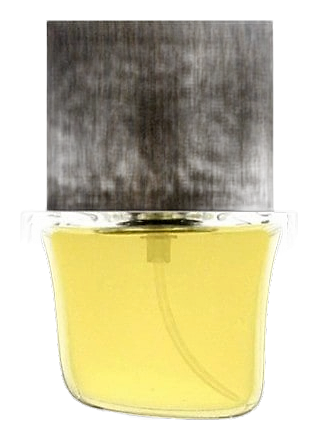
Kumo no Koromo draws from Tanabata, the Japanese Star Festival that celebrates the one day separated lovers Hikoboshi and Orihime may reunite. Orihime, the weaving princess, spends the year crafting a kimono for her beloved, stitching longing into fabric. The fragrance translates that act of patient making into scent: aromatic materials layered with the same care, each note a thread in something meant to be worn close. Perfumer Yasuyuki Shinohara chose Sakhalin fir, a rare specimen of Japanese pine, to anchor the composition, its intensely earthy resin echoing the island's cold climate. The 2024 launch brought Tanabata's quiet devotion into the DI SER canon.
Sakhalin fir, abies sachalinensis, the todo pine of Hokkaido, sets this apart from typical conifer openings. Its character is intensely earthy, sweet, and resinous, a material most houses overlook. Pairing it with hinoki's ceremonial stillness and star anise's warm anis creates a bridge between cold air and close skin. The base of vetiver, patchouli CO2, and cypriol oil grounds the delicate top in something rooted, earthy. It's a fragrance that earns its patience.
The evolution
The opening arrives crisp and cold. Bergamot and neroli hit first, bright and almost astringent, then Sakhalin fir's sharp resin cuts through, cold air, not forest canopy. Within twenty minutes, the hinoki emerges. Temple wood. Stillness. The star anise is quiet at first, a warmth building beneath the wood. The cypress adds structure without sharpness. Then the drydown: vetiver first, its earthy smoke settling close. Patchouli follows, not sweet, but deep. Cypriol adds resin, a whisper of incense. The sillage stays moderate. The longevity holds a full workday on most skin, the earthy drydown lingering longest.
Cultural impact
Kumo no Koromo arrived in 2024 with a distinctly Japanese woody-aromatic character, joining a small cohort of contemporary Japanese fragrances that prioritize restraint over performance. It holds its own among the house's contemplative compositions, more aromatic than some, less austere than others. The Tanabata inspiration gives it a narrative weight rare in woody fragrances. Wearers describe it as the scent of someone who walks into a room and doesn't need to announce themselves. Cooler seasons suit it best, fall and winter, when the Sakhalin fir opening reads as appropriate rather than jarring. Spring evenings work. It's built for quiet dinners, evening walks, the kind of occasions that reward presence over performance.