







Heritage
A house, in its own words
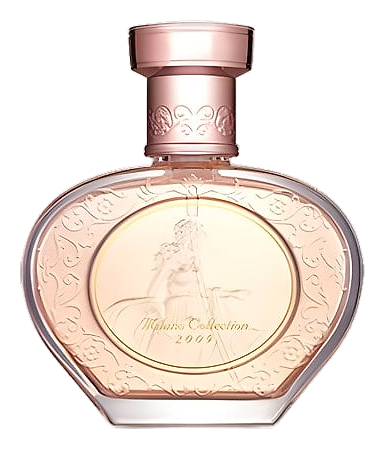
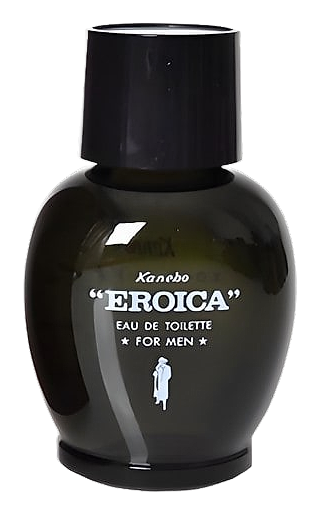
Kanebo traces its origins to the early 20th century, when it operated as a textile manufacturer before pivoting to cosmetics and fragrance production. The company grew to become one of Japan's prominent beauty houses, developing expertise in both skin care and fine fragrance. By the late 20th century, Kanebo had established itself as a serious contender in the Japanese fragrance market, releasing notable scents including Eroica in 1970 and Valcan in 1976. The brand continued to expand its fragrance offerings through the 1980s and 1990s, with releases such as Kyoto in 1981 and Goce in 1991. The company maintained its position in the competitive beauty industry landscape until 2006, when Kao Corporation completed its acquisition of Kanebo. This merger brought together two significant Japanese beauty companies, with the combined entity continuing to develop and distribute fragrance products under the Kanebo name. Kanebo's approach to perfumery has centered on creating fragrances that reflect Japanese sensibilities and craftsmanship. The brand reportedly sought to bridge Eastern and Western olfactory traditions, developing scents that appealed to both Japanese consumers and international audiences. The Milano Collection series exemplifies this philosophy, drawing inspiration from Italian fashion and design while maintaining a distinctly Japanese aesthetic sensibility. The brand's fragrance development process apparently emphasized balance and refinement, with attention to how scents evolved on the skin over time. Kanebo positioned its perfumes as accessible luxury items, intended for consumers who appreciated quality ingredients and thoughtful composition without the exclusivity often associated with European haute parfumerie.