The Story
Why it exists.
The beginning
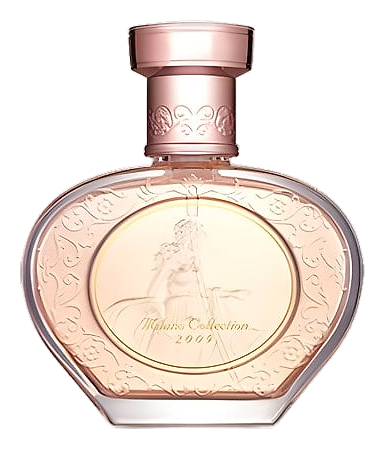
The Milano Collection arrived from Kanebo in 2009 as a love letter to Italian fashion sensibility, the clean lines, the tailoring, the particular confidence that Milan represents in the global style imagination. But Kanebo, a Japanese house with roots reaching back to the early 20th century, didn't simply import Italian tropes. They translated them. The result is a fragrance that wears European inspiration through an Eastern lens: structured where others are soft, specific where others are vague. This was a scent for a woman who understood the difference between following a trend and understanding one.
What makes Milano Collection 2009 quietly unusual is the chamomile. Not a common centerpiece in mainstream perfumery, it's the background player, the supporting herb, but here it threads through the heart alongside jasmine and rose, adding an herbal undertone that keeps the floral-fruity composition from reading as merely sweet. The melon reinforces this: not the loud, candy-like melon of summer body sprays, but something cooler and more translucent. The composition is balanced with Japanese precision, every layer allowed to breathe without disappearing into the next.
The evolution
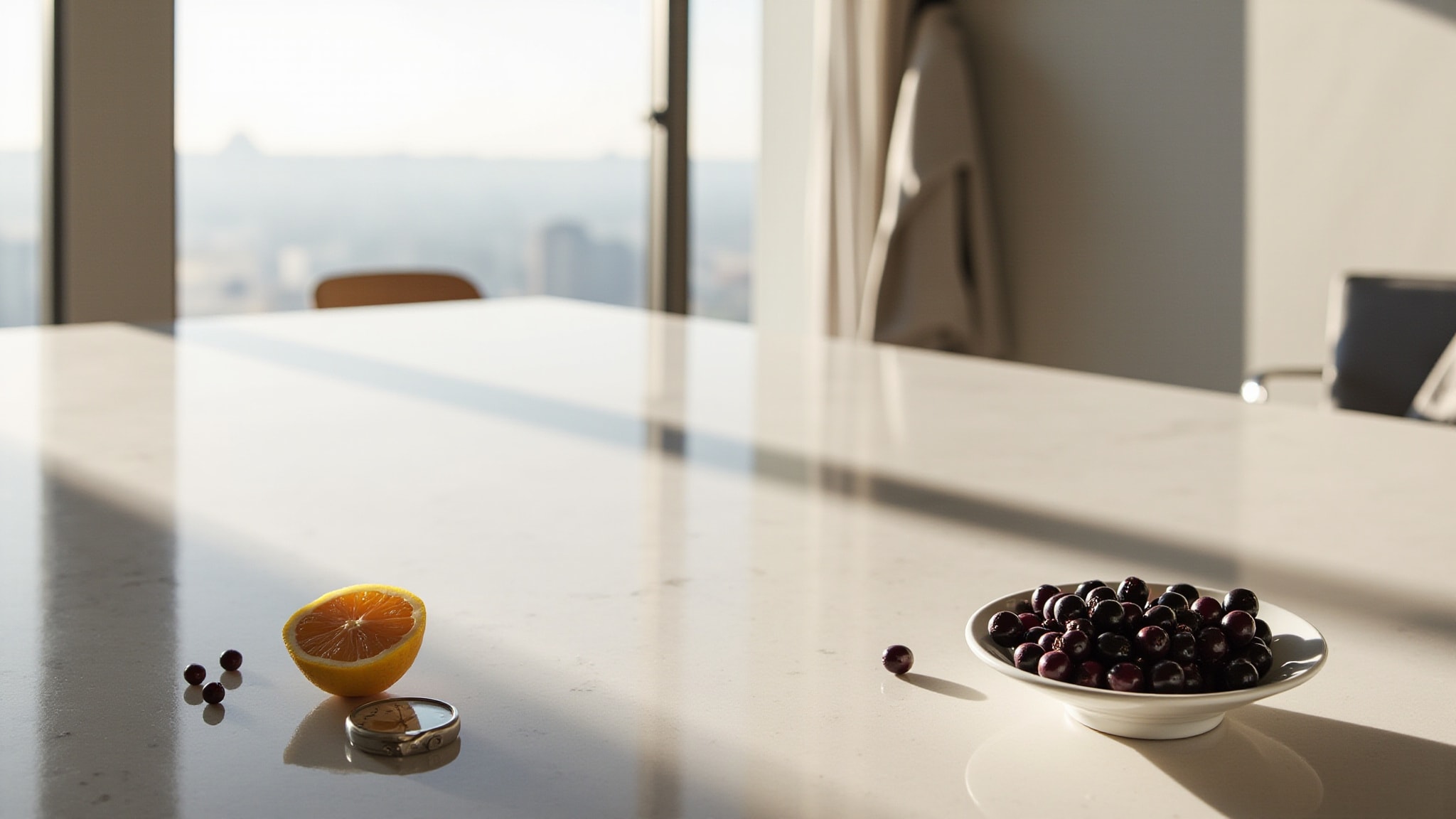
The opening hits with sharp ozonic brightness, blackcurrant and Amalfi lemon cutting through like cold water. Within ten minutes, the red apple arrives and softens everything. The transition to the heart is seamless; you realize the citrus has receded not because it vanished but because the melon took its place, carrying jasmine and that chamomile undertone with it. Rose doesn't announce itself, it lingers at the edges, adding warmth without weight. The drydown belongs to amber and musk: skin-close, intimate, the kind of scent that someone notices only when they lean in. On fabric, expect four to six hours. On skin, closer to four unless you have a heavier natural oils profile.
Cultural impact
Kanebo positioned the Milano Collection series as fashion-forward, drawing on Italian design aesthetics while maintaining a distinctly Japanese approach to composition. The 2009 edition sits alongside sister releases from 2010, 2011, and 2014, each iteration exploring the same Italian-Japanese tension from a slightly different angle. What separates it from purely Western fruity-florals is the chamomile: an ingredient that reads as herbal, almost medicinal, in a category that usually favors sweetness without complication.