The Story
Why it exists.
The beginning
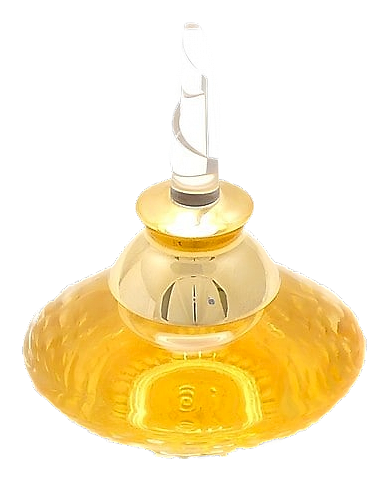
Jean-Louis Sieuzac designed Angelique in 1991 as Shiseido's answer to a specific moment in fragrance history, when powder-floral orientals were ceded ground to aquatics and fresh chypres. The house's Japanese heritage shaped a quieter ambition: not the bold statement, but the lingering one. Angelique was built for the kind of wearer who doesn't need a fragrance to announce her before she speaks. Sieuzac reached for a composition that would reward proximity, intimate sillage, warm drydown, the kind of presence that draws someone in rather than filling the room. Named for the angelica herb used in perfumery's historic heart note tradition, the fragrance honors the botanical without literalism.
The powder-floral amber structure is classic to Shiseido's aesthetic through the late 20th century. What distinguishes Angelique is the balance, the jasmine and tuberose heart is softened by heliotrope, creating that signature 90s creaminess that reads as nostalgic rather than dated. The bergamot and green notes open clean, but the real architecture is in the base: vanilla, benzoin, and tonka bean form a warm resin that acts as natural fixative. The plum note bridges top and heart, lending a faint marzipan quality that distinguishes Angelique from more straightforward floral orientals. It's a composed fragrance, one that trusts time over spectacle.
The evolution
The opening lasts maybe twenty minutes. Bergamot hits bright, the green notes add a leaf-like snap, then grapefruit arrives, tart, awake. By the time you adjust to the citrus, it's already gone. What replaces it is the heart: jasmine and tuberose in full bloom, ylang-ylang adding a tropical creaminess that tips slightly exotic. The heliotrope is the tell, that powdery, slightly almond warmth that signals the fragrance has settled into its skin. Rose and carnation add depth without spice, keeping the heart floral rather than spicy. Three hours in, the drydown arrives: sandalwood and cedar form a woody base, vanilla and benzoin sweeten it into something close to tonka, amber lending warmth without weight. On fabric, the vanilla-sandalwood duo can last into the next morning. On skin, moderate sillage means intimate presence, noticeable to someone leaning in, invisible to someone across the table.
Cultural impact
Angelique appeared at the tail end of an era when powder-floral orientals defined mainstream luxury perfumery. By 1991, fresher categories were gaining ground, but Shiseido's approach kept the composition grounded in Japanese restraint rather than Western opulence. The result was a fragrance that felt both of its moment and slightly apart from it, intimate rather than projecting, warm rather than loud. Wearers who found it tend to remember it: the heliotrope, the close vanilla warmth, the jasmine cream that didn't announce itself.