The Story
Why it exists.
The beginning
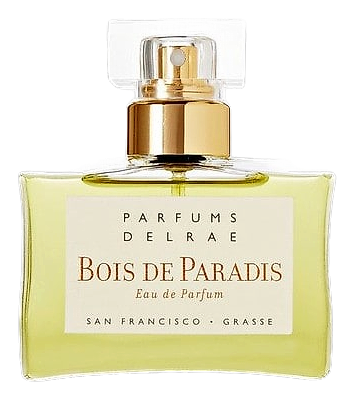
Bois de Paradis, Wood of Paradise, arrived in 2002, one of the earliest expressions from Parfums DelRae. DelRae Roth had spent years as an art director before founding the house in San Francisco in 2000, and she brought that visual sensibility to every bottle. For this fragrance, she collaborated with Michel Roudnitska, whose father André had shaped the classical perfumery canon. The name suggests something primal and mythic rather than literal, not a forest you've walked through, but the idea of one. Roudnitska built the composition around contrasts that don't resolve cleanly: fruit against smoke, rose against resin, warmth against something darker underneath. This wasn't about creating a pleasant smell. It was about creating something that felt like a place you'd never been but somehow recognized.
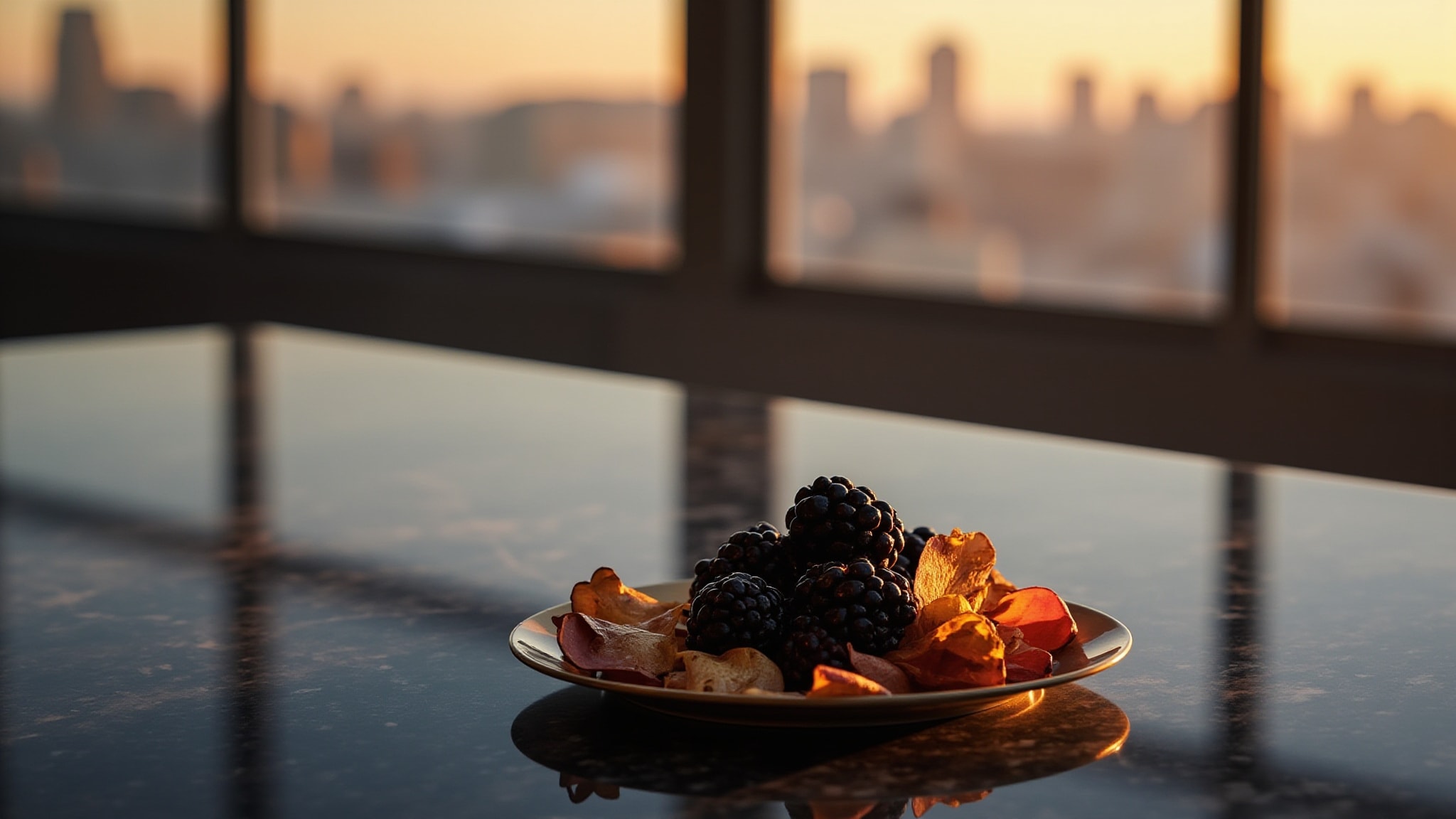
What makes Bois de Paradis unusual is the persistence of its fruit. In most fragrances, blackberry and fig appear in the opening and vanish by the drydown, consumed by the base. Here, they stay. The blackberry maintains its jammy, slightly tart quality through the heart and into the base, threading through the smoke and wood rather than being replaced by them. Fig does double duty: the sweetness of the fruit and the green, slightly milky sap both present. Gallic rose, the old rose, the one with verve and bite rather than powder, holds its own against the balsamic richness of the base instead of dissolving into abstraction. The incense isn't church smoke; it's resinous, warm, almost sweet.
The evolution
The first hour belongs to citrus, briefly, before the blackberry and fig establish themselves. The blackberry reads jammy, almost confectionary, but the fig keeps it honest, there's a greenness underneath, the scent of sap and stems. Rose appears as a cool counterpoint, not the heady Bulgarian type but something more restrained. The spices, cardamom, perhaps pink pepper, flicker through. Three hours in, the drydown takes over: dry wood and smoke and resin, with the fruit still visible underneath like light through a forest canopy. The incense lingers. The sillage moderates after the first hour, becoming intimate rather than filling the room, but it stays close to the skin for 8-10 hours on most people. On fabric, it outlasts the day.
Cultural impact
Bois de Paradis has been a quiet staple in niche collections since 2002, praised for its unusual staying power and its refusal to let the fruit fade into the base. Among those who've explored it, the consensus is consistent: this is the fragrance that rewards patience. The combination of blackberry, fig, rose, and smoke occupies unconventional territory, neither purely fruity nor purely woody, it sits in the overlap. Wearers describe it as the scent of someone who walks into a room and doesn't need to announce themselves.