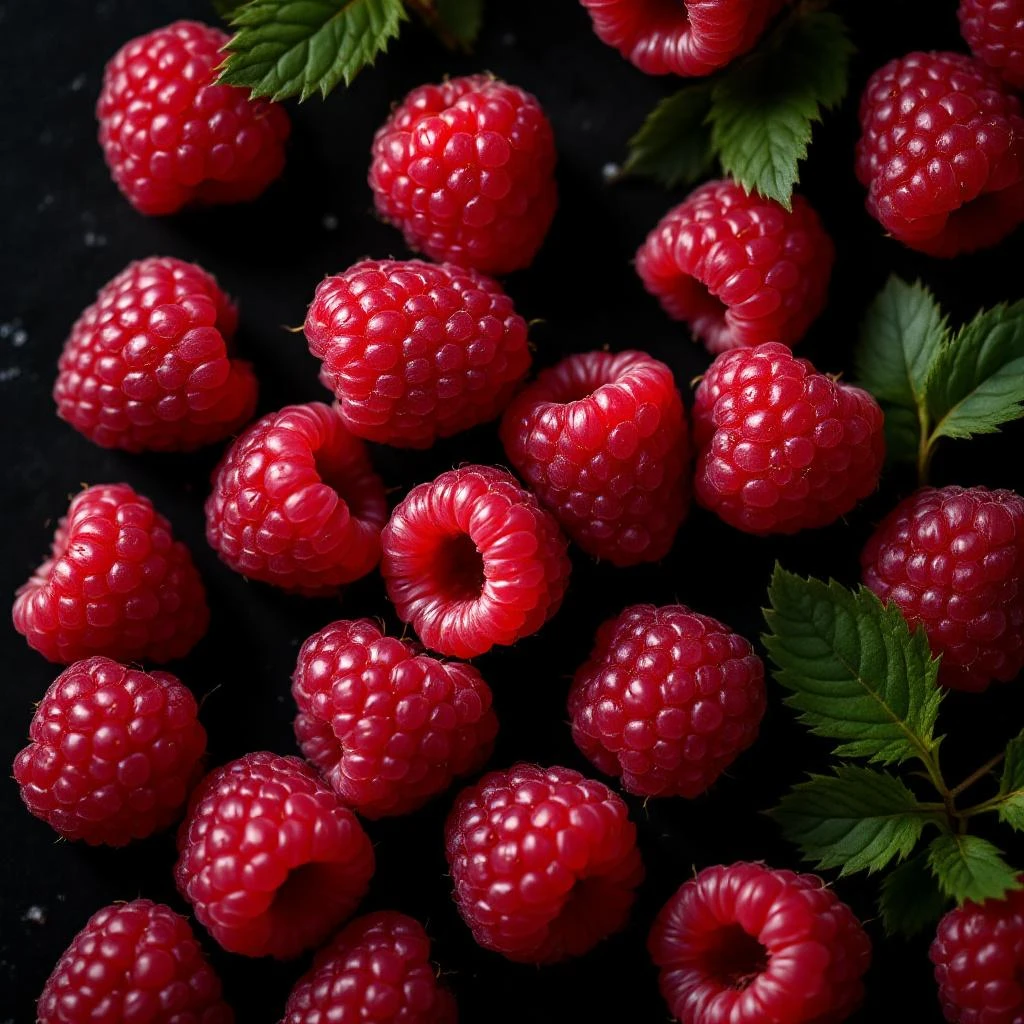
Blackberry Bud
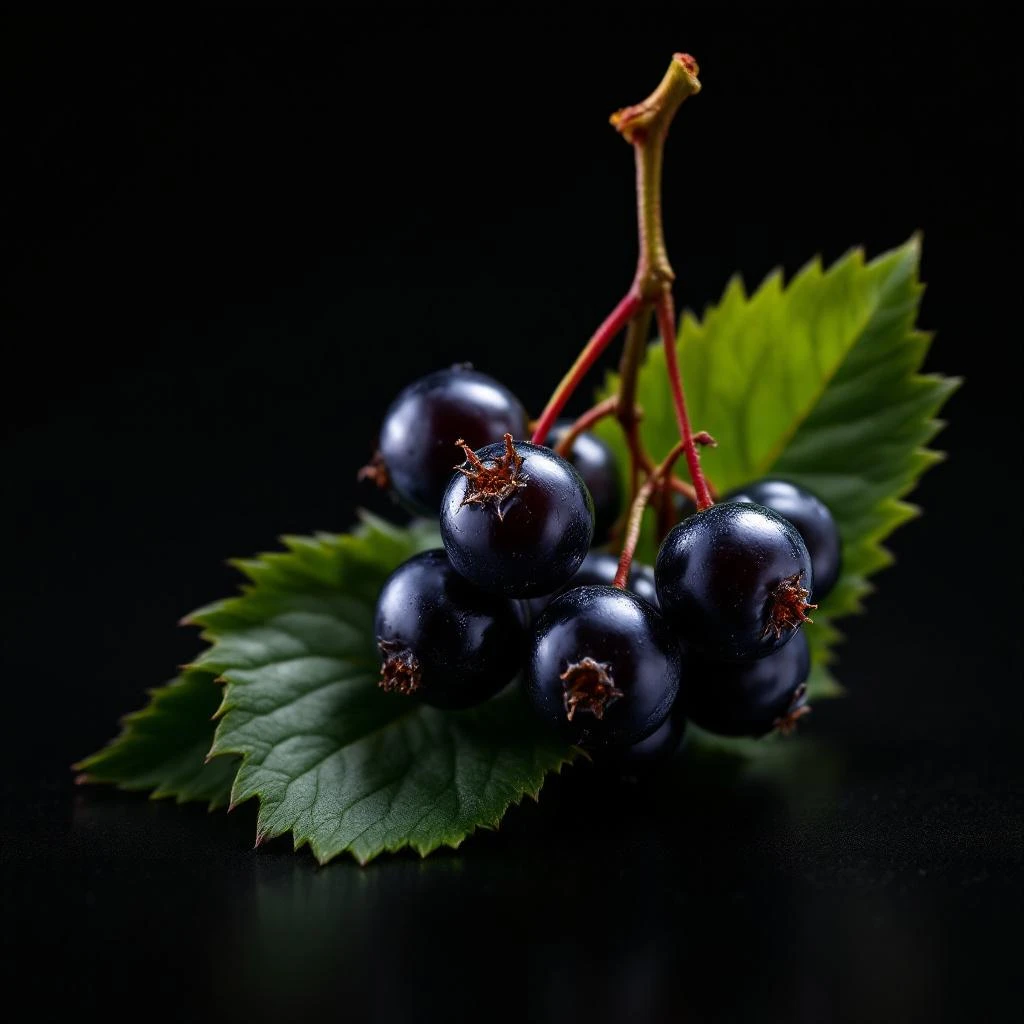
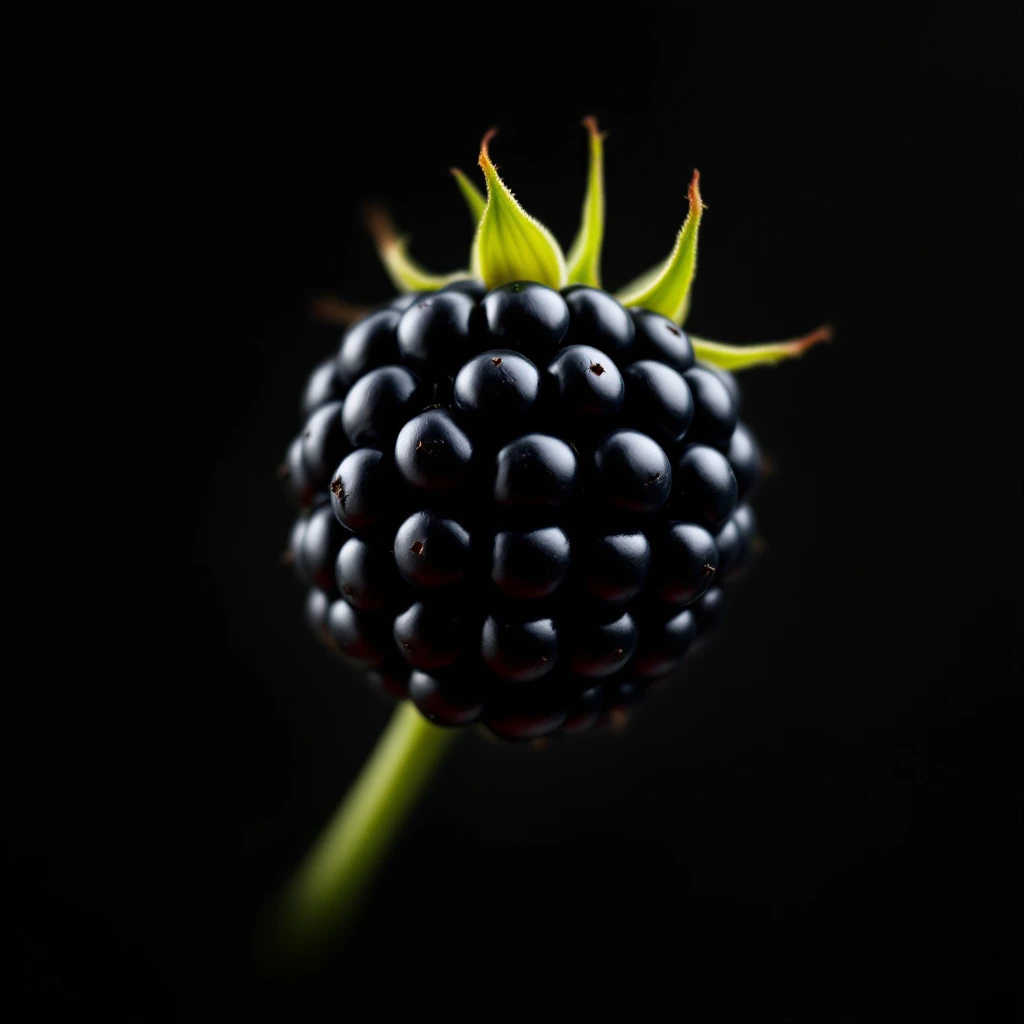
A bright, verdant green note that captures the moment before blackberries ripen. The bud carries a tart, grassy freshness that perfumers prize for lifting fruity compositions and adding natural vitality.
Character
How it smells
The verdant spark of unripe fruit
No blackberry essential oil exists. Every blackberry note in perfume is a laboratory creation.


Origin
United States
Before synthetic chemistry advanced in the late 19th century, perfumers had no way to capture blackberry's scent. The ingredient represents a broader shift in perfumery when chemists learned to identify and recreate specific green, fruity molecules. This scientific approach expanded the perfumer's palette beyond what nature alone could provide through extraction.
Today, blackberry bud exemplifies how understanding molecular structure lets perfumers recreate notes from ingredients that would otherwise remain inaccessible. The synthetic approach also addresses sustainability concerns, as wild blackberry harvesting would be impractical at commercial scale.
Wears it best
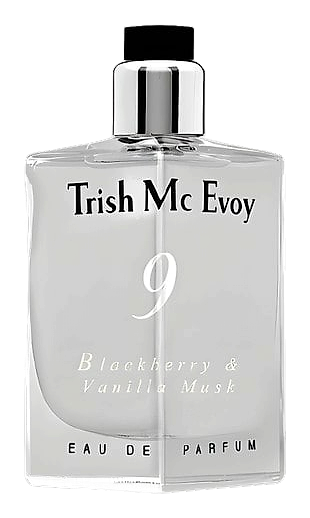
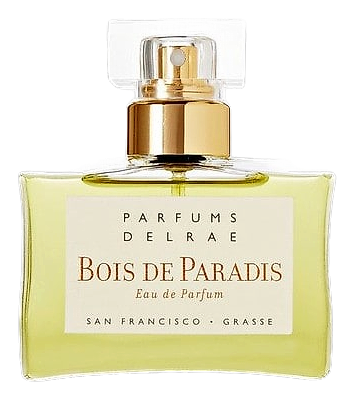
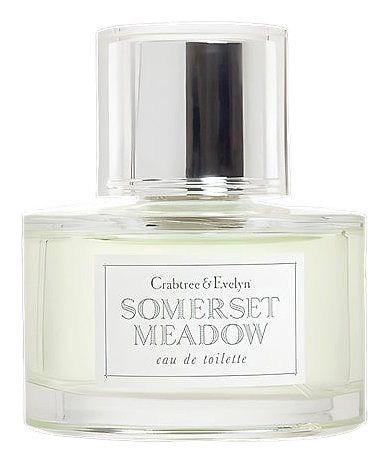
Fragrances featuring Blackberry Bud
Brands
Brands known for Blackberry Bud
Good to know
Questions, answered
The essentials on Blackberry Bud in perfumery: how it smells, where it comes from, and how it behaves on skin.
Is blackberry bud a natural ingredient?
No. Blackberry bud is exclusively synthetic. No natural essential oil can be extracted from blackberry plants, so perfumers recreate the note using green alcohols and fruity esters in the laboratory.
What does blackberry bud smell like?
It smells green, tart, and slightly medicinal, like cutting into a fresh blackberry stem. The note captures the fresh, unripe quality before the fruit develops its sweet, jammy character.
Why can't blackberry essential oil be extracted?
Blackberry fruit and plant material lack sufficient aromatic concentration for viable extraction. The volatile compounds responsible for the scent are too dispersed to yield usable quantities through distillation or solvent extraction.
What molecules create the blackberry bud scent?
Cis-3-hexen-1-ol provides the characteristic cut-grass greenness, while gamma-decalactone contributes fruity, peachy undertones. These molecules are combined to reconstruct the bud's complete scent profile.
When did synthetic blackberry notes enter perfumery?
Synthetic fragrance chemistry emerged in the late 19th century with compounds like vanillin and coumarin. Blackberry reconstruction became possible as chemists identified the specific green and fruity molecules that define the note.
Is synthetic blackberry bud sustainable?
Yes. Laboratory synthesis produces consistent material without harvesting wild plants or seasonal variation. This approach avoids the impracticality of sourcing actual blackberry buds at commercial scale.
What fragrance families use blackberry bud?
Blackberry bud appears in green, fruity, chypre, and fresh fragrance compositions. It works particularly well in top notes where its bright, tart quality energizes the opening of a perfume.
Does blackberry bud contain allergens?
Synthetic blackberry bud materials may include compounds subject to IFRA allergen declaration, such as certain aromatics used in the reconstruction. Formulators must check specific regulatory requirements for each batch.