The Story
Why it exists.
The beginning
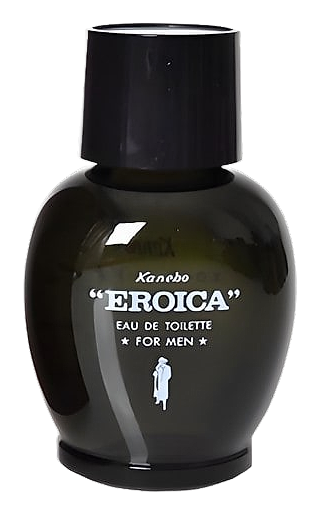
Kanebo released Eroica in 1970, a masculine statement from a Japanese house that had spent the previous decade learning how to speak the language of classical perfumery and make it its own. The name borrowed from Beethoven, Eroica, the Heroic, setting an ambition that most men's fragrances of the era simply didn't attempt. This wasn't a fresh-water splash or a soapy fougère. It was something with intention: a composition that opened with the full aldehydic declaration of serious perfumery, then carried that weight through a floral heart and a warm, powdery base that could hold its own against anything French or American. The face of the campaign was Japanese model Tomio Mori, a sign that Kanebo wasn't borrowing Western aesthetics so much as inserting its own into a global conversation.
What makes Eroica structurally interesting is the tension between its opening and its base. Aldehydes don't typically coexist comfortably with tobacco and vanilla, the former signals precision and cleanliness, the latter signals warmth and intimacy. Eroica bridges them through a powdery iris and a restrained oakmoss that keeps everything honest. The jasmine and rose in the heart aren't decorative; they give the fragrance its weight in the middle act, preventing it from collapsing into either sharp cleanliness or sweet warmth. It's a careful composition, the kind that doesn't announce its cleverness but rewards the wearer who notices.
The evolution
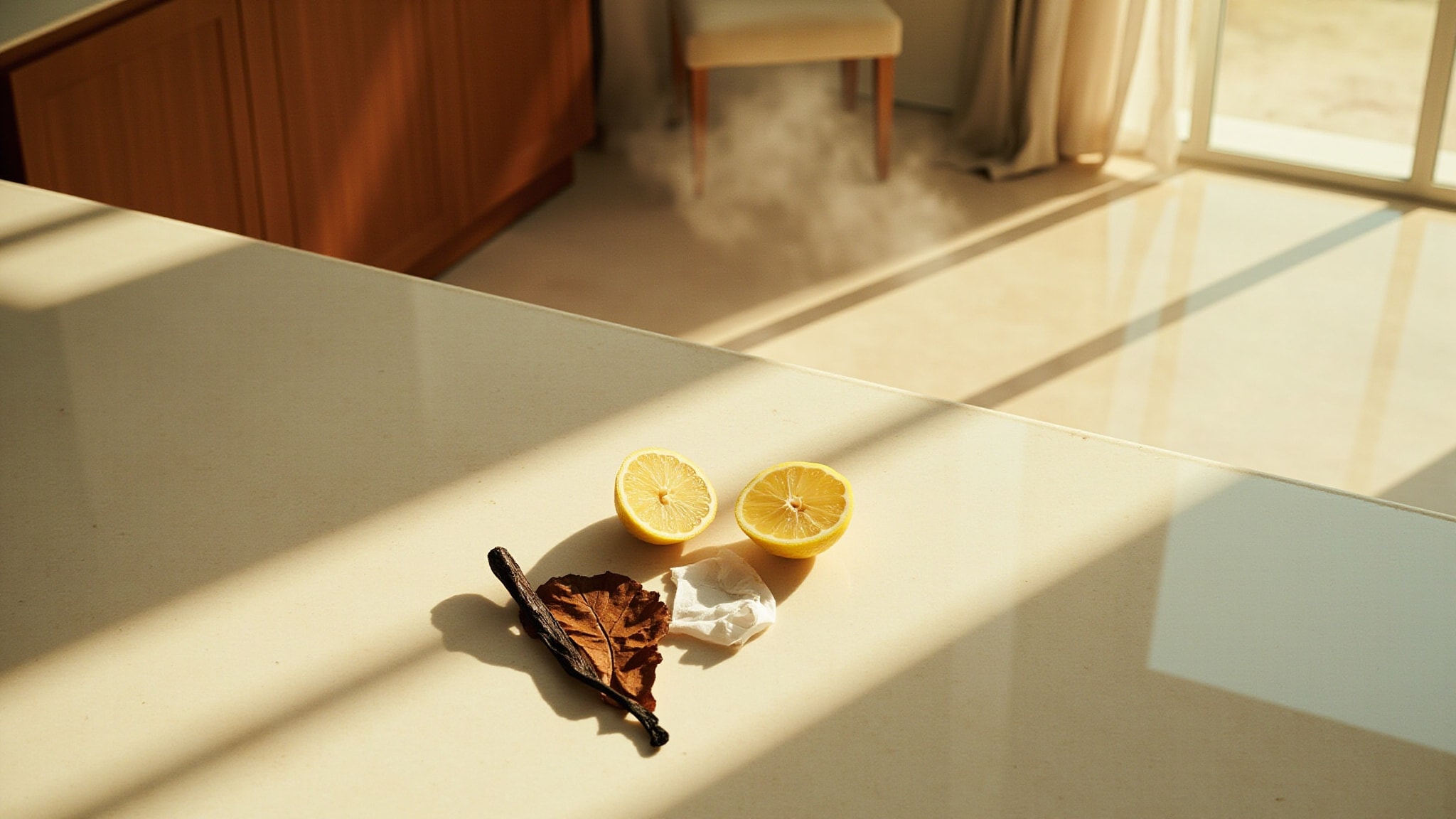
The aldehydes don't tease. They arrive. Soapy, sparkling, almost sharp, that immediate 1970s declaration that says this is a serious fragrance, not a casual one. Within minutes the citrus cuts through, lemon and bergamot sharpening the sensation before the lavender and petitgrain arrive to take over. Clean, then herbal. The transition isn't dramatic, but it changes the temperature. Then the heart opens: jasmine, rose, iris, florals that read powdery rather than delicate, giving the fragrance its character. The aldehydes never fully disappear. That's the tell. They persist as a soapy thread running underneath everything, keeping the florals honest, keeping the drydown from getting too sweet. When tobacco and vanilla emerge, with oakmoss and tonka bean rounding the edges, the fragrance has become something warm and close. Not a room fragrance. A skin fragrance. It stays intimate, lingers without announcing itself, and by the final hours what remains is powder, a ghost of vanilla, and that persistent aldehydic cleanliness that started it all.
Cultural impact
Eroica arrived in 1970 as a statement of intent from a Japanese house that understood classical perfumery deeply enough to make it its own. Its aldehydic structure places it in conversation with the great masculine fragrances of that era, the sharp openers, the powdery drydowns, the compositions that asked something of their wearers. It's not a safe fragrance. It demands attention and offers warmth in return. For those who connect with it, the aldehydes become a signal of authenticity rather than datedness.