The Story
Why it exists.
The beginning
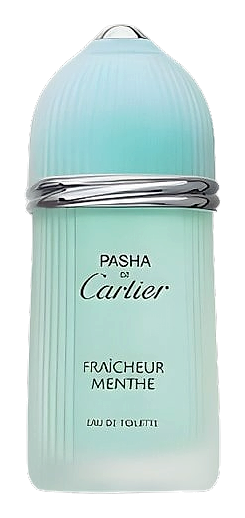
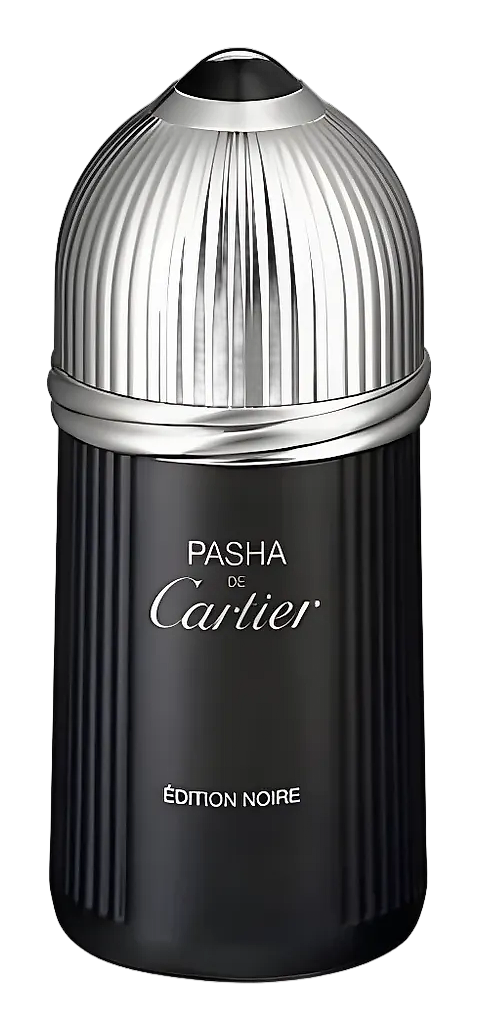
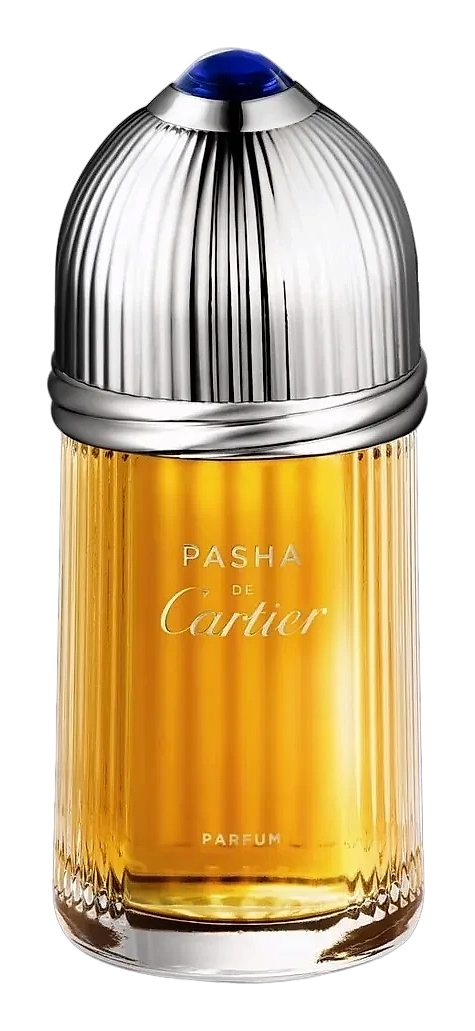
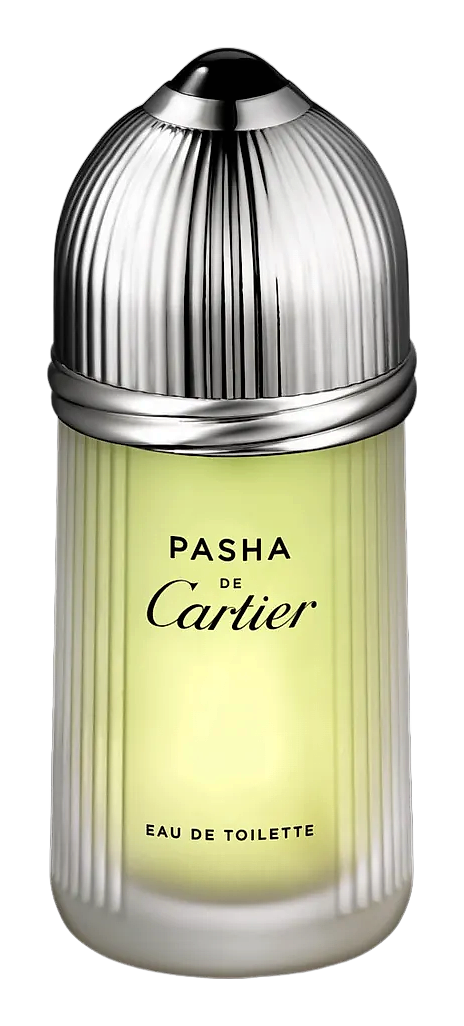
In 1992, Jacques Cavallier Belletrud was tasked with creating something Cartier had never attempted before: a masculine fragrance that felt genuinely seductive rather than merely correct. The name carried deliberate weight, Pasha, a title borrowed from Ottoman court hierarchy, suggesting authority and old-world power. From Cartier's Paris workshop heritage came a brief for a fougère, but one that would break from the conventional formulations already filling masculine fragrance collections. Cavallier Belletrud approached the structure as an architect, considering how each material would age on skin and what that aging would communicate.
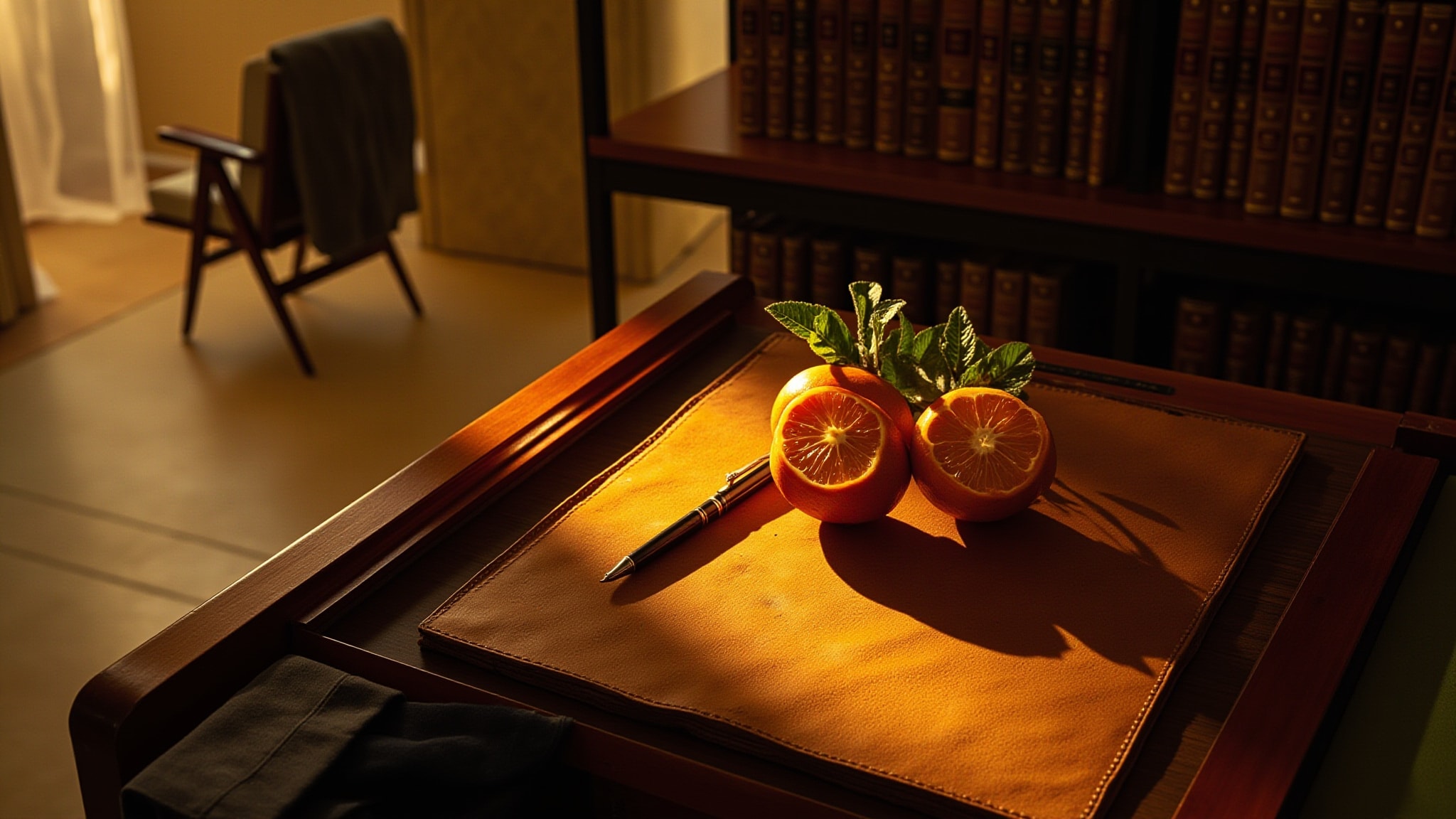
Cavallier Belletrud selected these materials to create a fougère that felt both traditional and genuinely seductive. The thyme-lavender-mint combination in the opening references the classic fougère aromatics while the mandarin adds brightness that makes the herbs feel modern. The alyssum in the heart brings a soft warmth that creates intimacy, while coriander bridges the fresh opening and the earthy base. The drydown's oakmoss-patchouli-labdanum combination represents the authentic fougère structure, with sandalwood providing the final creamy wood note that completes the picture.
The evolution
The fragrance opens with an unusual combination: mandarin orange and mint providing brightness and coolness while thyme and lavender introduce a dry, herbaceous character that immediately distinguishes this from typical masculine openers. The heart develops around alyssum, a sweet powdery floral that evokes vintage barbershop memories, paired with coriander's warm spice and rosewood's grainy wood. The drydown is where the fougère tradition fully asserts itself: oakmoss providing the characteristic mossy, slightly earthy base, patchouli lending depth and a subtle earthiness, labdanum contributing resinous warmth, and sandalwood offering a creamy finish that softens the entire structure.
Cultural impact
Pasha de Cartier has quietly accumulated a loyal following over more than three decades. It's the fragrance men reach for when they already know who they are, confident enough in its classic structure to skip trends entirely. The fougère genre was crowded in the early 1990s, but Pasha carved its own space with that distinctive caraway edge and a drydown that refuses to quit. It's cited regularly among the finest masculine fragrances from Cartier's collection, holding its own against newer releases through sheer staying power.
The House
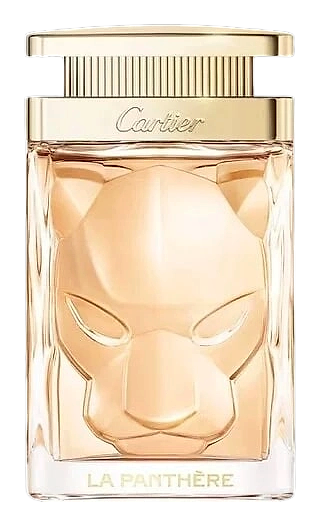
CartierFrom a small Parisian workshop in 1847 to one of the most celebrated fragrance houses in the world, Cartier has spent over 175 years translating the language of precious gems into something you can wear against your skin. Every Cartier fragrance is conceived as invisible jewellery, an intimate ornament that speaks to the same desire for beauty and craftsmanship that has drawn royalty and connoisseurs to the Maison for generations. The panther prowls through its scent wardrobe, diamonds catch light in crystalline bottles, and rare ingredients arrive from distant corners of the globe. This is luxury in its most wearable form.
The Creator
Jacques Cavallier BelletrudCavallier-Belletrud commands citrus and marine accords with particular authority, finding unexpected freshness in materials others use decoratively. He applies a rigorous naturalism to masculine and genderless compositions, favoring transparency and restraint when a brief allows.