Alyssum
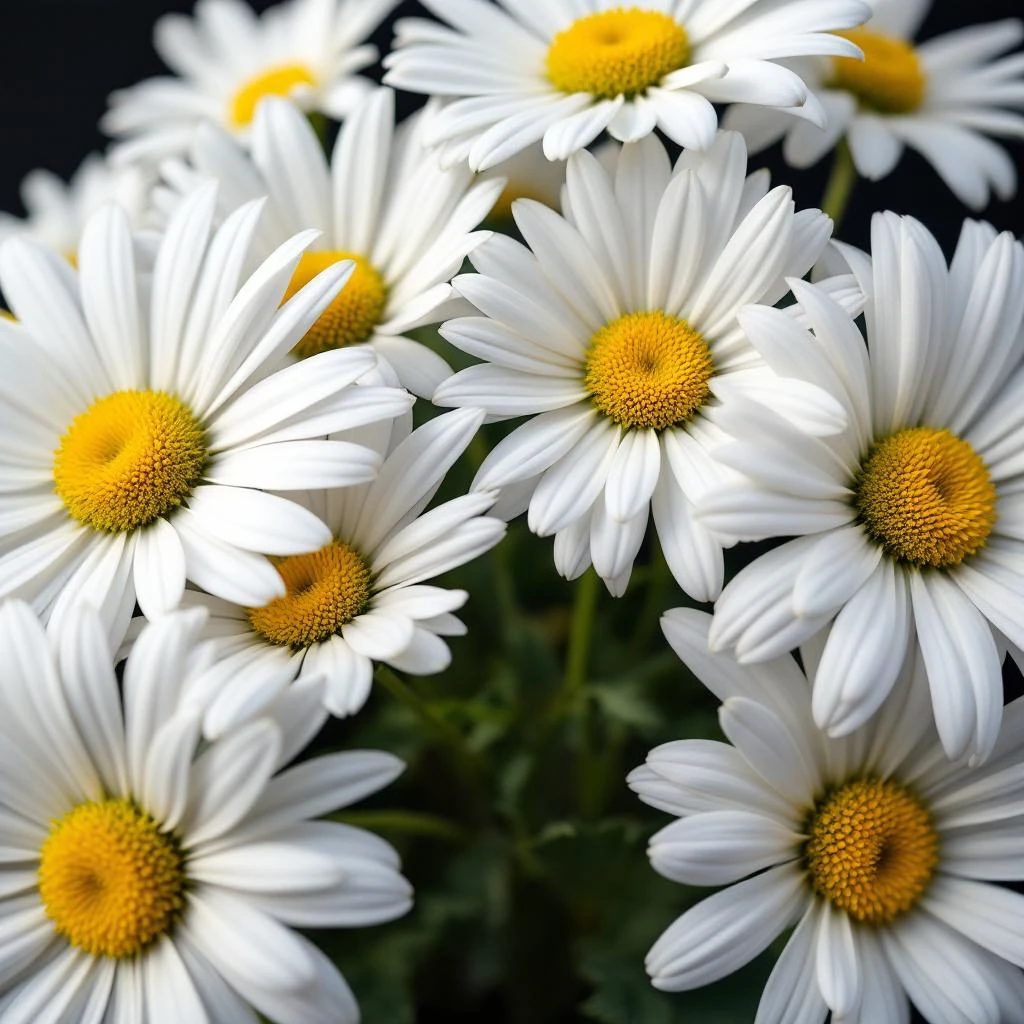
A whisper of honey and warm pollen drifting from clusters of tiny white flowers. Alyssum brings a soft, powdery sweetness to fragrance, grounded by its humble origins as a Mediterranean ground cover beloved by pollinators.

Character
How it smells
Honeyed, powdery, and quietly radiant.
Sweet alyssum belongs to the Brassicaceae family, the same botanical clan as cabbage and mustard, which lends its delicate honey scent a faint green, vegetal undertone few can name.
Pairs beautifully with
Origin
Greece
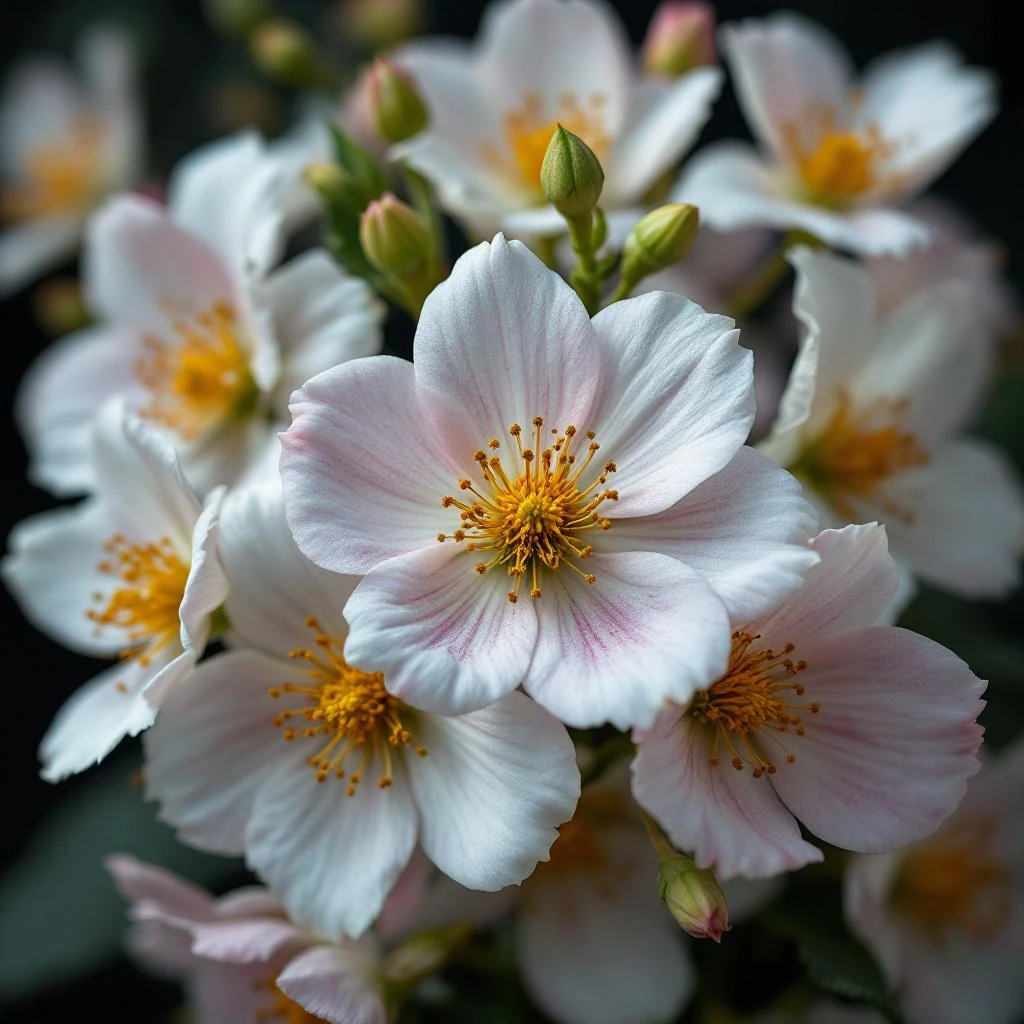
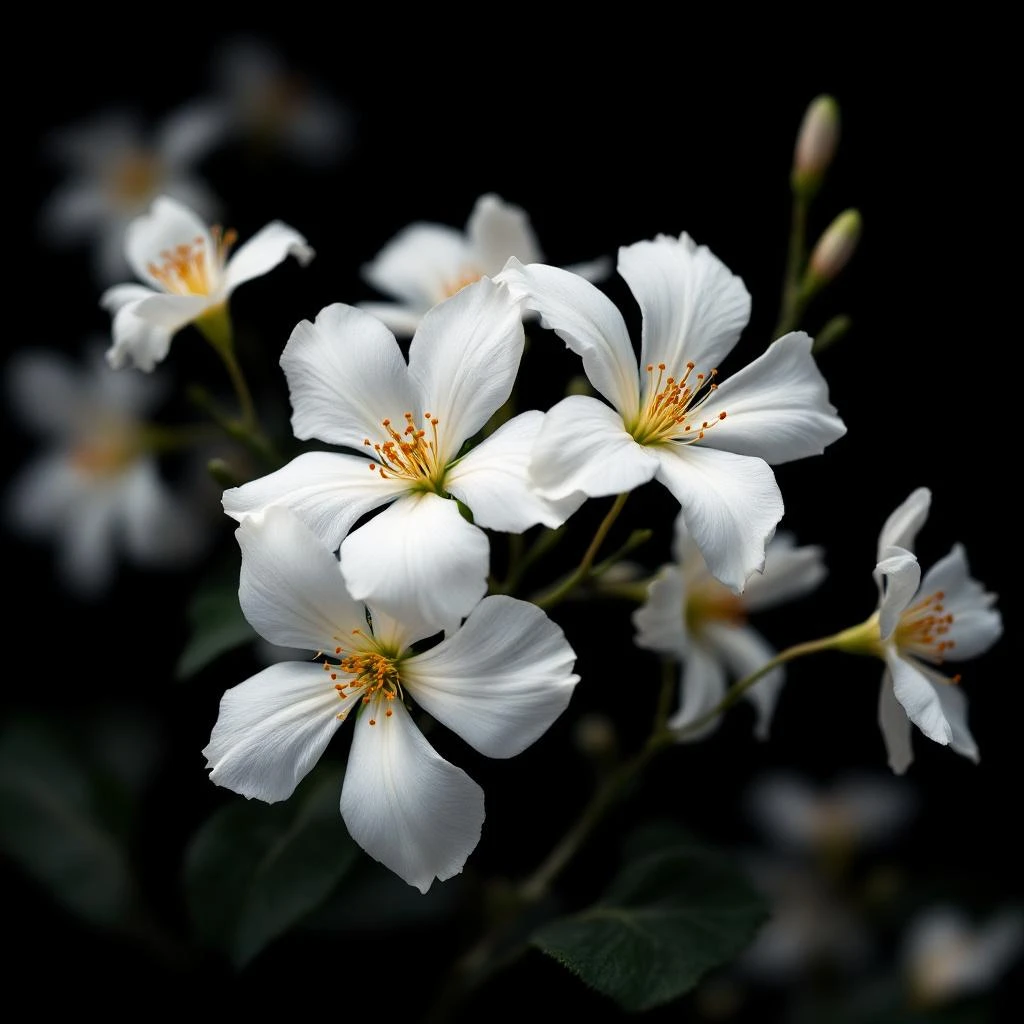
Sweet alyssum, Lobularia maritima, traces its roots to the Mediterranean basin, where it carpets rocky coastal soils from the Canary Islands to the Aegean. Ancient Greeks and Romans cultivated relatives of the plant for medicinal purposes, though historical records of its use as a perfume material remain sparse compared with rose, myrrh, or iris.
The genus name Lobularia, meaning 'small pod,' reflects its Brassicaceae heritage, while 'alyssum' once referred to plants believed in folk tradition to cure rabies. Alyssum entered modern perfumery attention gradually as interest grew in naturalist accords and authentic floral reconstructions.
Today the note appears in compositions seeking genuine field-and-garden impressions, often paired with mimosa, orange blossom, or clover to evoke sunlit meadows. Its scarcity in natural form has made it a quiet trophy among artisan perfumers.
Wears it best
Fragrances featuring Alyssum
Brands
Brands known for Alyssum
Good to know
Questions, answered
The essentials on Alyssum in perfumery: how it smells, where it comes from, and how it behaves on skin.
What does alyssum smell like in perfume?
Alyssum carries a soft honey sweetness layered over powdery white-floral tones, finished with a faint green, vegetal edge from its Brassicaceae family membership. The overall impression recalls sunlit garden borders rather than dense blossom.
Is alyssum a rare perfume ingredient?
Yes, true alyssum absolute from Lobularia maritima flowers is exceptionally rare because the blossoms yield minimal aromatic oil. Most 'alyssum' notes in commercial perfumery are laboratory reconstructions blending synthetic aroma molecules with honey and floral bases.
Where does sweet alyssum originally come from?
Sweet alyssum originates in the Mediterranean region, particularly coastal areas of Greece, Spain, and the Canary Islands, where it grows wild among rocks and sandy ground. It now naturalizes across temperate climates worldwide.
Is sweet alyssum the same plant as true alyssum?
Sweet alyssum, Lobularia maritima, is the species most commonly referenced in perfumery. True alyssum once referred to several medicinal Brassicaceae plants, creating historical confusion that persists in older botanical texts.
Why does alyssum have a slight cabbagey scent?
Alyssum belongs to Brassicaceae, the mustard and cabbage family, which produces characteristic sulfur-containing compounds during growth. These trace molecules register as a subtle green-vegetal undertone beneath the dominant honey-floral sweetness.
How is alyssum note created if the flowers yield so little oil?
Perfumers rely on headspace analysis to identify the flower's volatile compounds, then reconstruct the scent using synthetic phenylacetaldehyde, benzyl alcohol, and supporting floral and honey molecules to mimic the natural profile faithfully.
What other notes pair well with alyssum?
Alyssum blends beautifully with mimosa, orange blossom, clover, and white tea accords. Its honeyed sweetness also complements light woods such as sandalwood and soft musks for sheer, sunlit compositions.
Can I grow sweet alyssum in my garden?
Absolutely. Sweet alyssum thrives in full sun with well-drained soil, blooms from spring through frost, and attracts hoverflies and bees. Crushing a fresh blossom releases the same honeyed fragrance found in perfumery reconstructions.