Daisy
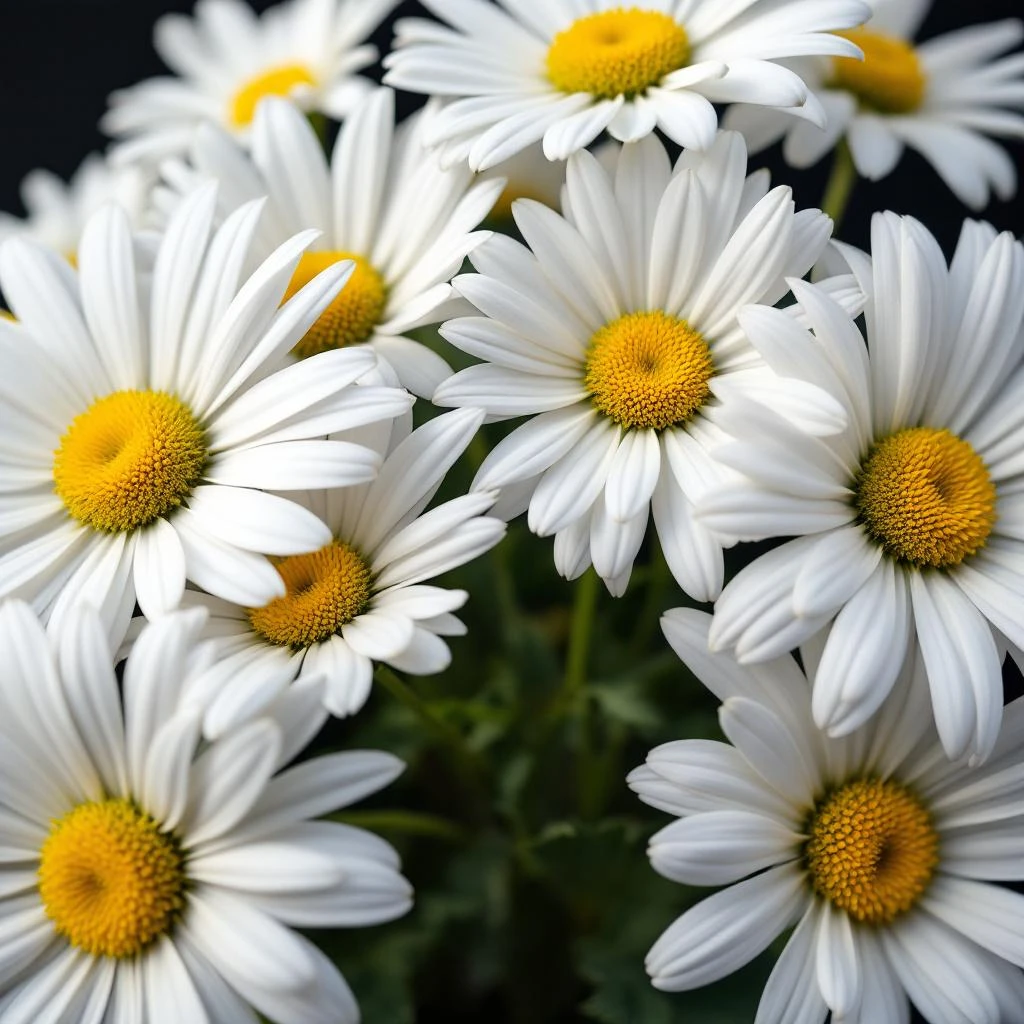
Fresh, youthful, and effortlessly charming. Daisy captures the essence of springtime meadows and carefree mornings through bright green florals and airy musks. In perfumery, the note represents approachability without sacrificing artistry, a delicate balance achieved entirely through synthetic construction.
Character
How it smells
A breath of spring in every spray
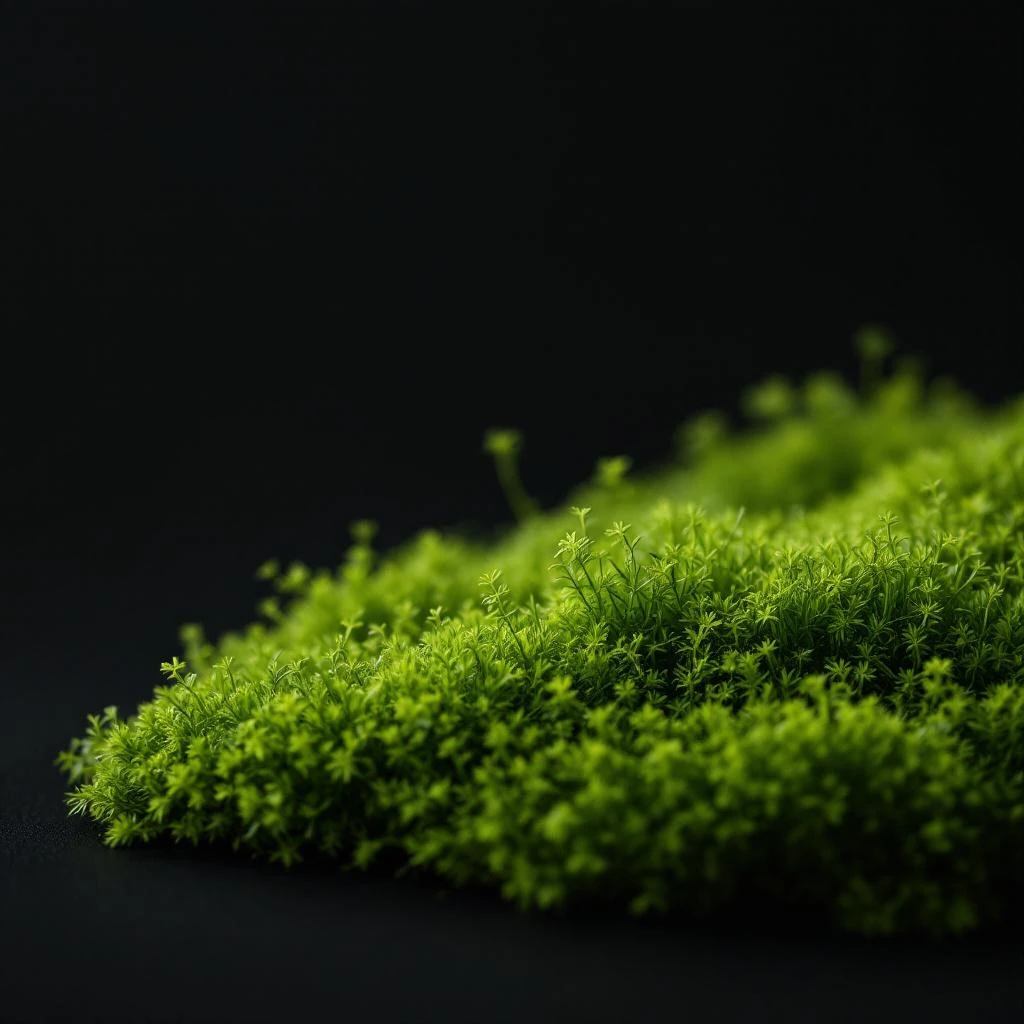
Bellis perennis grows wild across Europe, temperate Asia, and North America but is not commercially harvested for perfumery. The Daisy note exists solely through synthetic aromatic construction, making it one of the rare perfumery concepts with no natural extract counterpart.





Origin
Switzerland
The story of Daisy as a fragrance note begins not in nature but in 2007, when Marc Jacobs introduced a fragrance that would redefine youth-oriented perfumery. Spanish perfumer Alberto Morillas crafted the original formula for Firmenich, drawing inspiration from the simplicity and innocence of the daisy flower itself. Unlike ingredients with centuries of perfumery tradition, Daisy had no extraction history to draw from, which challenged Morillas to build the note from aromatic molecules that could evoke the flower without actually being it.
The fragrance achieved remarkable commercial success, becoming one of the best-selling women's scents globally. Its iconic bottle, designed with a真正的雏菊 flower capping the signature Marc Jacobs ribbon, reinforced the concept that something humble could be beautiful. The brand subsequently expanded the franchise with flankers like Daisy Eau So Fresh and Daisy Dream, each interpreting the original concept through different olfactory lenses while maintaining the core fresh-floral identity.
Wears it best
Fragrances featuring Daisy
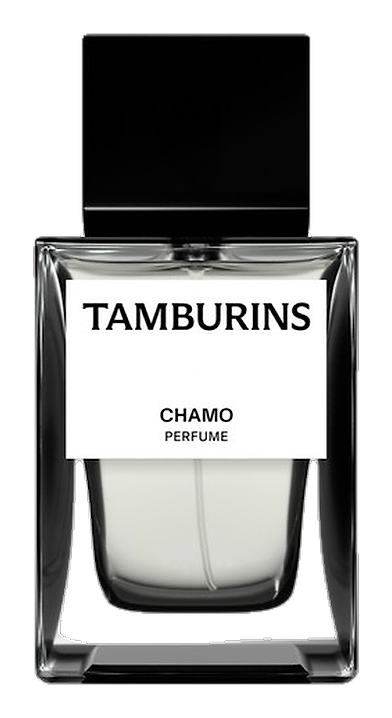
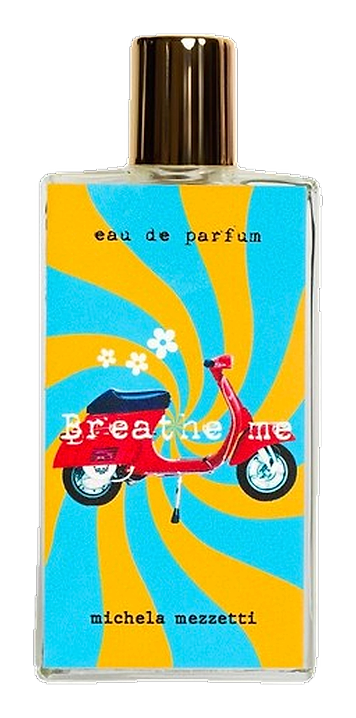
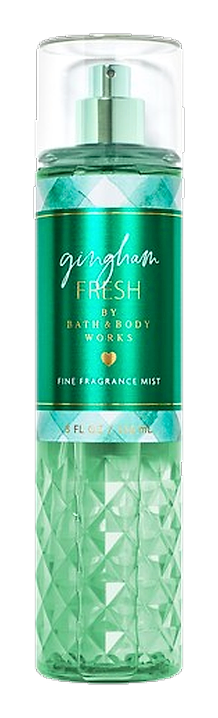
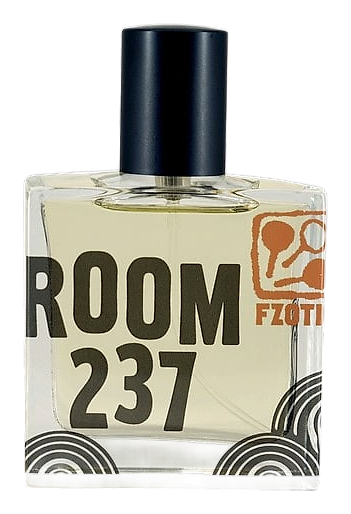
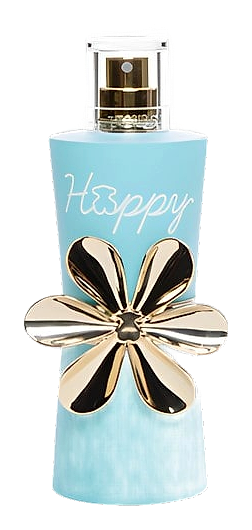
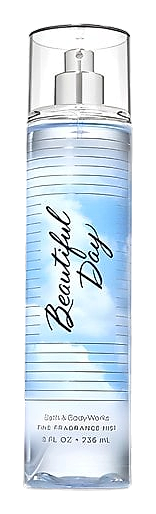
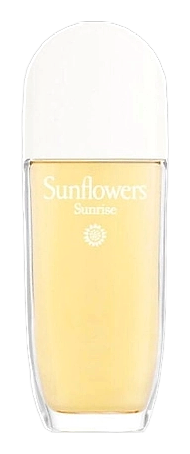

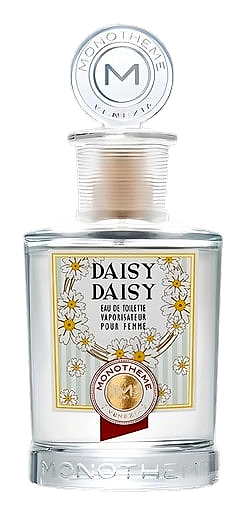
Brands
Brands known for Daisy
Good to know
Questions, answered
The essentials on Daisy in perfumery: how it smells, where it comes from, and how it behaves on skin.
What does Daisy smell like in perfume?
Daisy smells fresh, clean, and youthful with green, floral, and slightly aldehydic characteristics. The note evokes the impression of a wild meadow rather than a heavy floral garden, typically combining violet, muguet, and soft musk accord for a sunlit, carefree character.
Why is Daisy used in perfumery?
Daisy represents freshness and approachability in fragrance, capturing a carefree, youthful spirit that appeals broadly. Perfumers use it to convey simplicity and natural charm without relying on traditional botanical extraction, making it accessible while maintaining artistic integrity.
Is Daisy in perfume natural or synthetic?
Daisy is exclusively synthetic in commercial perfumery. Bellis perennis does not produce commercially viable aromatic extracts, so perfumers construct the note from aromatic molecules that collectively evoke the fresh, green character of the wild flower.
What famous perfumes contain Daisy?
The Marc Jacobs Daisy franchise, launched in 2007, represents the definitive Daisy interpretation. Spanish perfumer Alberto Morillas created the original formula for Swiss firm Firmenich, and the line has since expanded to include Daisy Eau So Fresh, Daisy Dream, and numerous limited editions.
Is Daisy a top note, heart note, or base note?
Daisy functions primarily as a heart note in most compositions. The fresh, floral character sits between the bright opening and warmer drydown, providing an approachable floral bridge that gives the fragrance its signature youthfulness and bounce.
What notes pair well with Daisy in perfume?
Daisy pairs well with bright florals like violet, jasmine, and rose; fresh green notes including galbanum and fig; clean musks; and light woods such as cedar and vetiver. These combinations create youthful, approachable compositions with garden-fresh quality.
How is Daisy extracted?
Daisy is not extracted at all. Bellis perennis grows wild across Europe, temperate Asia, and North America but is not commercially harvested for perfumery. Perfumers create the Daisy note entirely from synthetic aromatic molecules that collectively evoke the fresh, green scent of the wild flower.
Is Daisy used in men's or women's fragrances?
Daisy appears almost exclusively in women's fragrances, where it conveys youthful, fresh, and innocent qualities. However, the fresh-floral character has influenced unisex and even masculine compositions that seek a lighter, more approachable aromatic profile.