
The Story
Why it exists.
The beginning
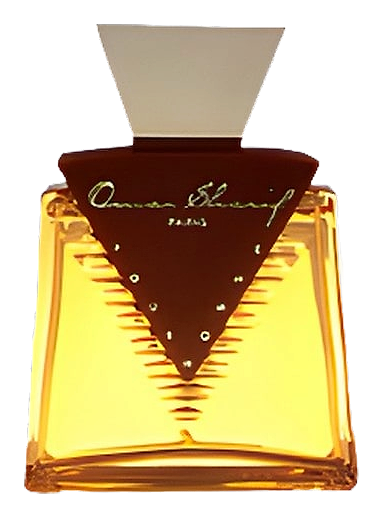
Pour Homme arrived in 1992, during a decade when celebrity fragrances weren't yet mass-market afterthoughts. The Omar Sharif collection positioned itself at the intersection of cinematic glamour and oriental craftsmanship, the Egyptian actor's global fame translating into scents that carried weight and intention. Pour Homme was the masculine anchor of the line, designed to embody the kind of romantic intensity Sharif brought to every role.
What makes this composition unusual is its structural ambition. The pyramid is dense, seven top notes, five heart notes, eight base notes, yet it doesn't feel cluttered on skin. The aldehydes give it vintage formality. The herbaceous basil-thyme-artemisia core brings a green Mediterranean quality that prevents the leather and castoreum from becoming too heavy. It's a balancing act that fewer modern fragrances attempt.
The evolution
The opening 30 minutes are the most demanding. Aldehydes can smell almost medicinal alongside the sharp citrus and basil, a green, almost bitter intensity that some find startling and others find thrilling. Then the heart takes over around the one-hour mark: rose and jasmine soften the blow, carnation adds a powdery spice, and cypress grounds everything with an herbal dryness. The base is where Pour Homme earns its reputation. Leather, castoreum, and vetiver arrive together, earthy and animalic, settling close to the skin for the remaining hours. Moss and labdanum add a dusty, smoky quality that feels like a library visited in late afternoon. Tonka bean whispers sweetness from underneath, never quite surfacing but preventing the drydown from becoming harsh. On fabric, this one lasts into the next day.
Cultural impact
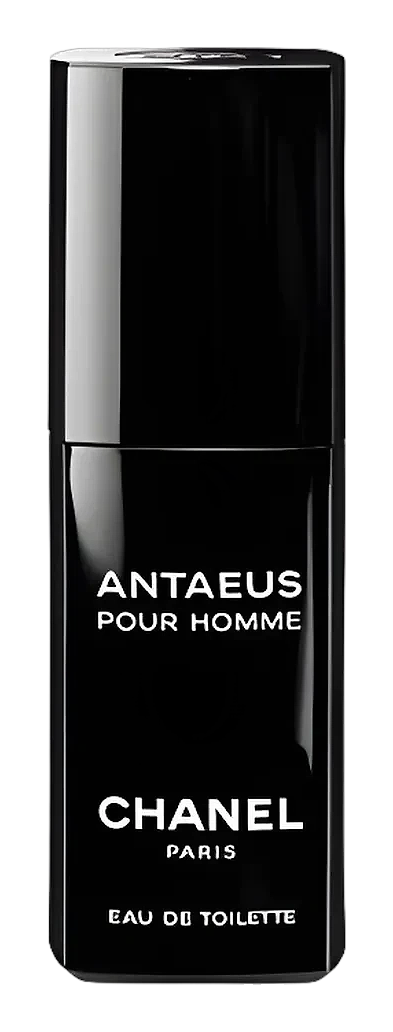
Pour Homme occupies a specific moment in masculine fragrance history: the era before designer fragrances became mass-market commodities. It's compared on community forums to Drakkar Noir, Dior Fahrenheit, and Chanel Antaeus, fragrances that defined formal, assertive masculinity. The aldehydic opening and leather-centric drydown mark it as deliberately old-fashioned by 1992 standards, even when it launched. Today, that vintage character is precisely what draws collectors and enthusiasts seeking something outside the safe aquatic-fresh mainstream.