The Story
Why it exists.
The beginning
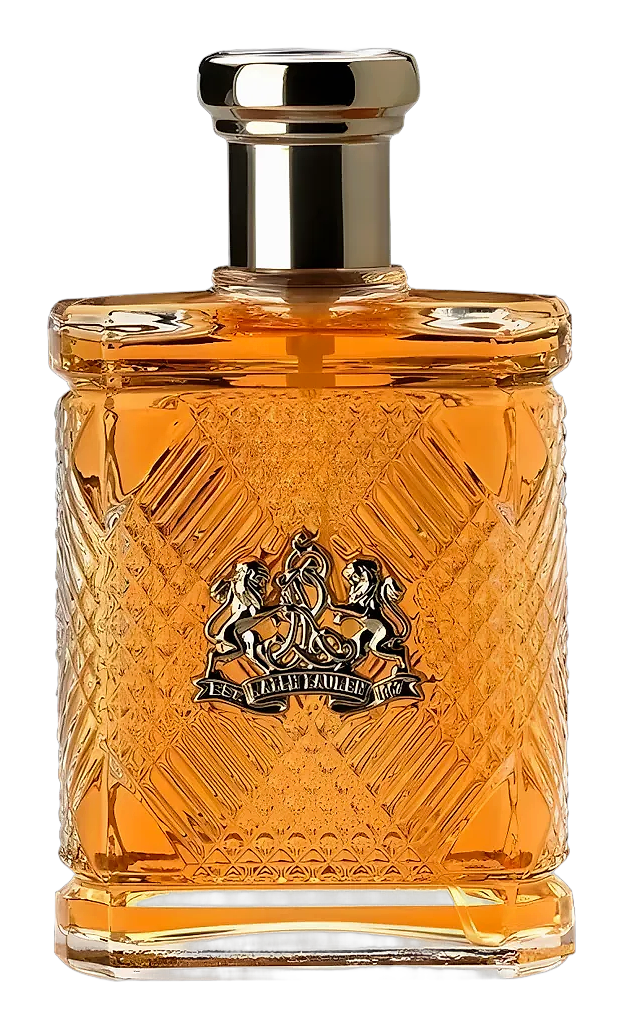
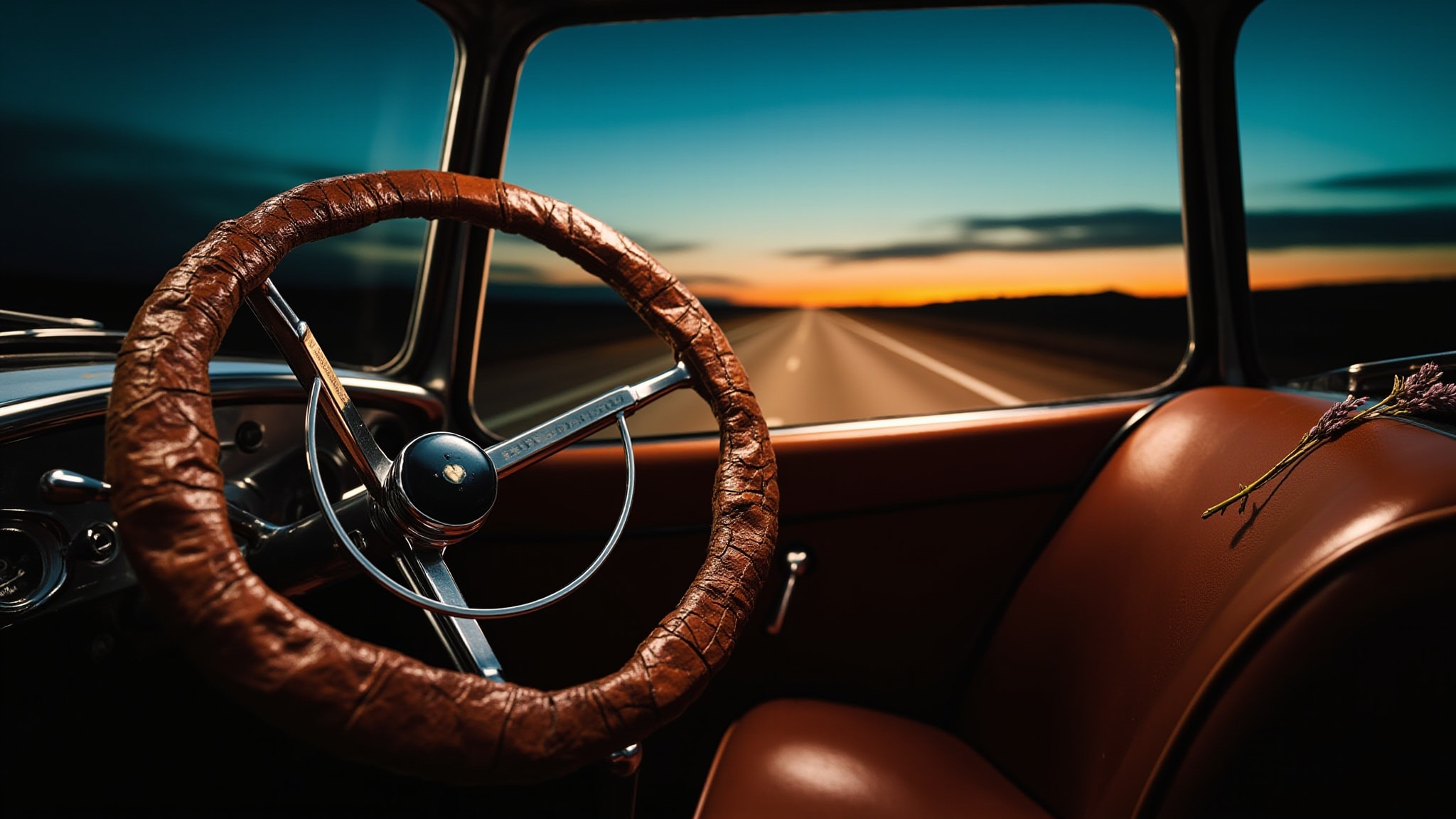
Ralph Lauren built an empire selling American aspiration, the weekend polo match, the corner office, the open road. Founded in 1967 by a Bronx-born son of immigrants, the house transformed a $50,000 tie business into a global lifestyle brand by selling a specific kind of confidence. Ralph Lauren's Safari collection was built on an idea, adventure as an American birthright, available to anyone with the right jacket and the nerve to use it. In 1992, the house extended that philosophy to fragrance with Safari for Men, a woody aromatic cologne that captured something specific: the possibility of the open road rendered in scent. The fragrance was created by perfumer Yves Beauvais, who translated the Safari spirit into a composition rooted in bright, clean herbs and a drydown of weathered leather and classic wood.
The note structure reflects Ralph Lauren's Safari philosophy: adventure distilled into wearable form. Coriander and green herbs speak to the outdoors, citrus and aldehydes to clean intention, while the carnation, cinnamon, and leather heart embodies the refined masculinity the brand has always sold. Sandalwood, oakmoss, and cedarwood complete the picture, grounding bright opening notes in something deeply traditional and enduring. The composition reads as cohesive from start to finish, each stage complementing the last.
The evolution
The journey begins with a crisp, aldehydic burst of citrus and green herbs. Bergamot, lemon, coriander, and lavender arrive together, with neroli providing aromatic floral nuance and vermouth adding a subtle bitter herbal depth. This opening is clean and immediate, a confident first impression that signals intention. The heart opens as the citrus fades, revealing carnation, jasmine, and rose softened by cyclamen. Cinnamon and tarragon introduce warmth and spice, elevating the florals into something more complex and distinctly masculine. The drydown completes the arc with leather, sandalwood, and cedarwood creating a rich woody foundation. Oakmoss delivers classic chypre structure while patchouli and amber add earthiness and resinous warmth. The result feels like well-worn gear and aged wood, a drydown that earns its reputation.
Cultural impact
Safari for Men occupies a particular space in masculine fragrance history, neither the sharp citrus peak of 1980s powerhouses nor the sweet orientals that followed. Instead, it sits in the aromatic woody tradition: lavender, leather, herbs, woods, and an aldehydic lift that sets it apart from its peers. The fragrance has held steady since its 1992 launch, building a quiet following among men who want a scent that communicates without announcing. It's the kind of fragrance that appears on lists of underrated classics with surprising regularity, praised not for being modern but for being honest, for doing exactly what it says on the bottle and doing it well.