
The Story
Why it exists.
The beginning
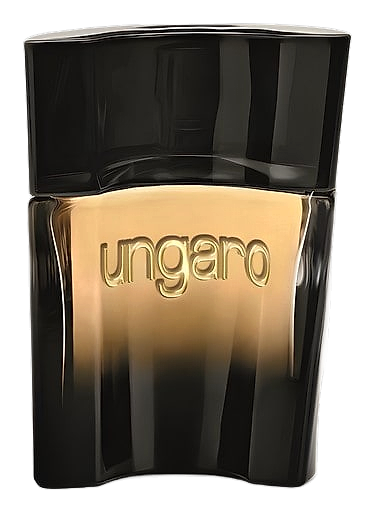
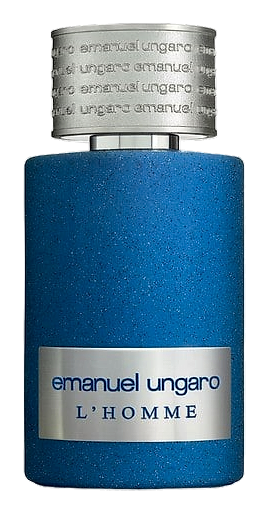
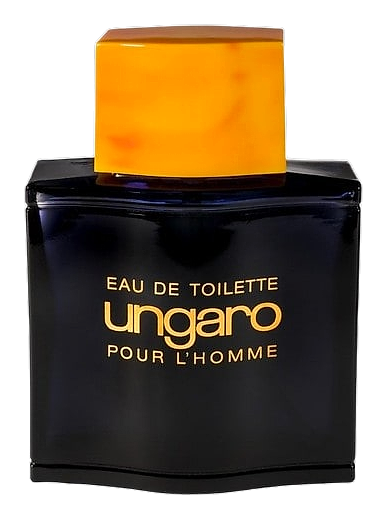
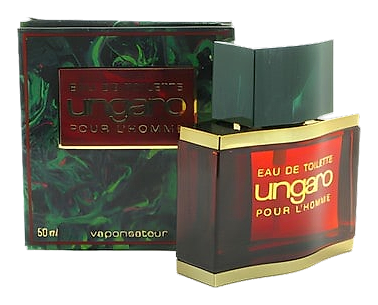
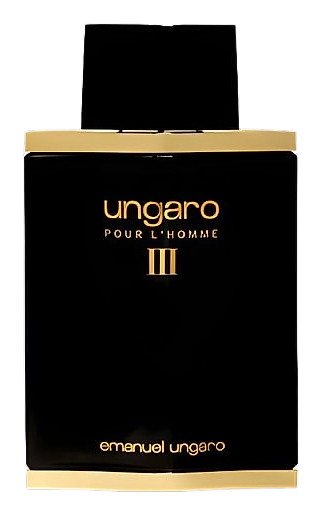
Jacques Polge and François Demachy were tasked with creating a fragrance that would capture the essence of the Ungaro man. The result was Ungaro pour L'Homme III, a scent built on an unusual foundation: vodka. Not as gimmick, but as metaphor for clarity and warmth. The fragrance opens with a clean, cold quality reminiscent of spirits, citrus brightening the edges. As it develops, the warmth emerges gradually, creating an intimate character that feels both sophisticated and approachable. The composition balances crispness with depth, reflecting the designer's vision of masculine elegance. The fragrance moves from its initial clarity into something more personal, more intimate, as the drydown settles close to the skin.
What makes the composition unusual is the tension it sustains. The opening is sharp, vodka, citrus, herbal, the kind of clarity that reads cold on first spray. But the heart undoes that expectation. Rose, geranium, jasmine, lily of the valley: a floral quartet that feels old-world, almost powdery. It shouldn't sit next to coriander and sage. It does. And the friction is the point. The herbs keep the florals from getting soft; the florals keep the herbs from getting medicinal. It's a composition that refuses to resolve cleanly, and that's why it holds attention.
The evolution
The opening announces itself with cold clarity. Vodka and citrus open the composition, with a brief flash of mahogany before the herbs arrive. Lavender and coriander take over, sage providing the bridge to the heart. The rose does its work quietly, not dramatically, softened by geranium and jasmine. Lily of the valley adds its green lift, keeping the florals from becoming too heavy. The base gradually takes over as the heart notes fade. Cedar and sandalwood provide warmth without sweetness. Patchouli and vetiver add earth. Oakmoss lingers close to the skin. The drydown stays intimate, present to the wearer, invisible to everyone else. That's the arc: cold start, warm middle, quiet end.
Cultural impact
Worn primarily in fall and winter, the cooler months reward its warm, woody drydown. The intimate sillage works equally well for evening as it does during the day. The fragrance appeals to someone who appreciates structure and complexity, who doesn't need the scent to announce itself. It's the kind of fragrance that people come back to.
The House
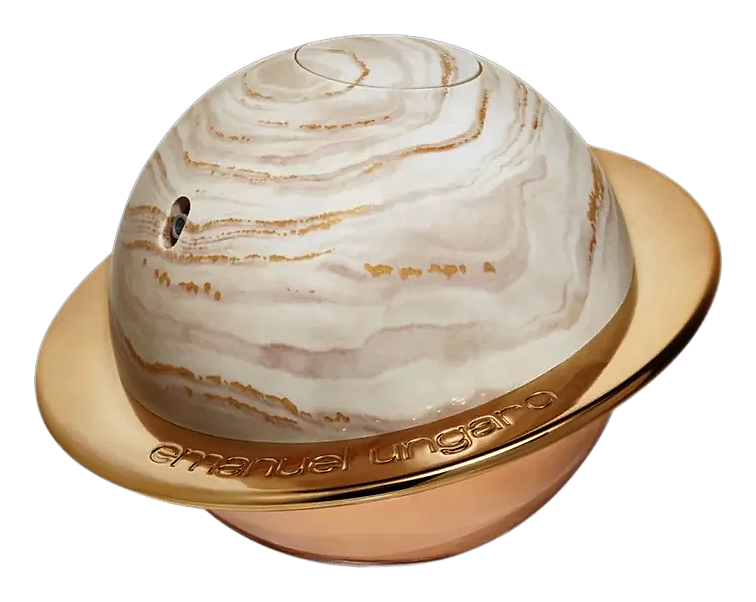
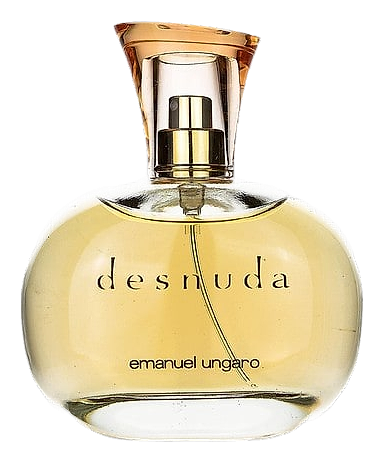
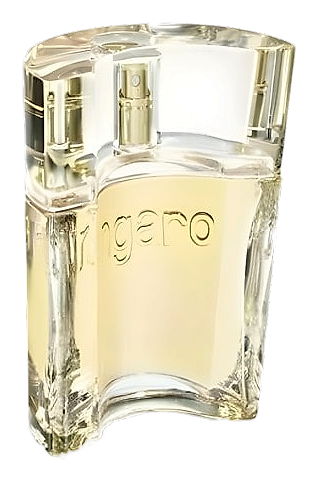
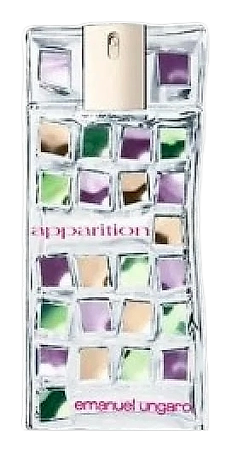
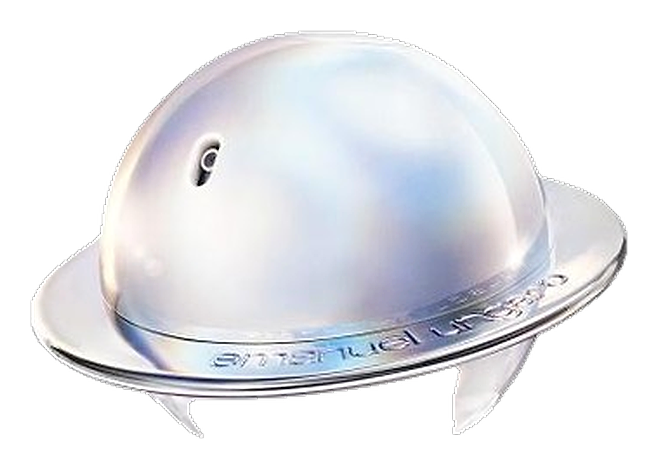
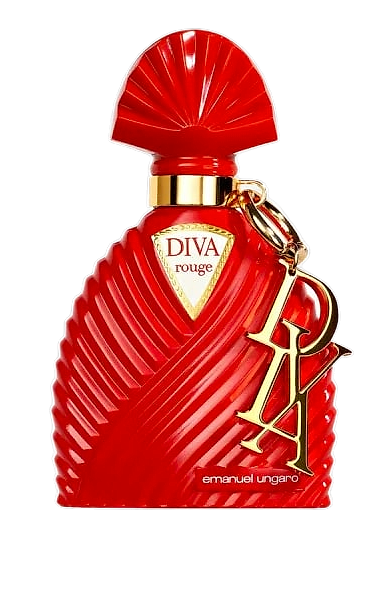
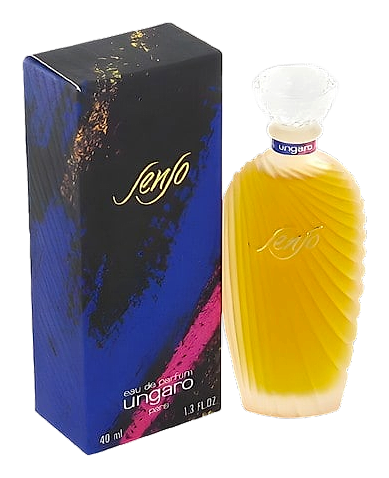
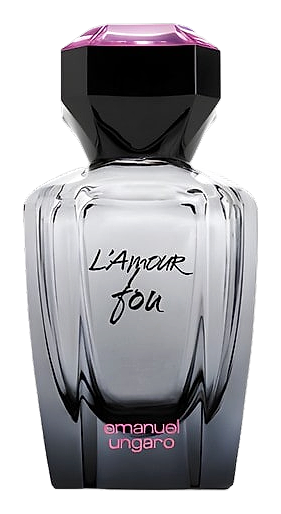
Emanuel UngaroEmanuel Ungaro is a French fashion house that extends its runway sensibility into fragrance. Founded in 1965, the label translates couture silhouettes into scented compositions that balance bold structure with lyrical nuance. The perfume portfolio spans from the 1977 debut Ungaro, a spicy‑aldehydic floral, to contemporary releases such as Yellow Chic (2024) and Heavenly Petals (2025). Each scent carries the house’s signature blend of vibrant color and refined form, inviting wearers to experience a wearable piece of the brand’s artistic legacy.
The Creator
Jacques Polge & François DemachyPolge's style is characterized by its refinement and sophistication. He favored complex, multi-layered compositions that showcased the quality of Chanel's ingredients.