Vodka
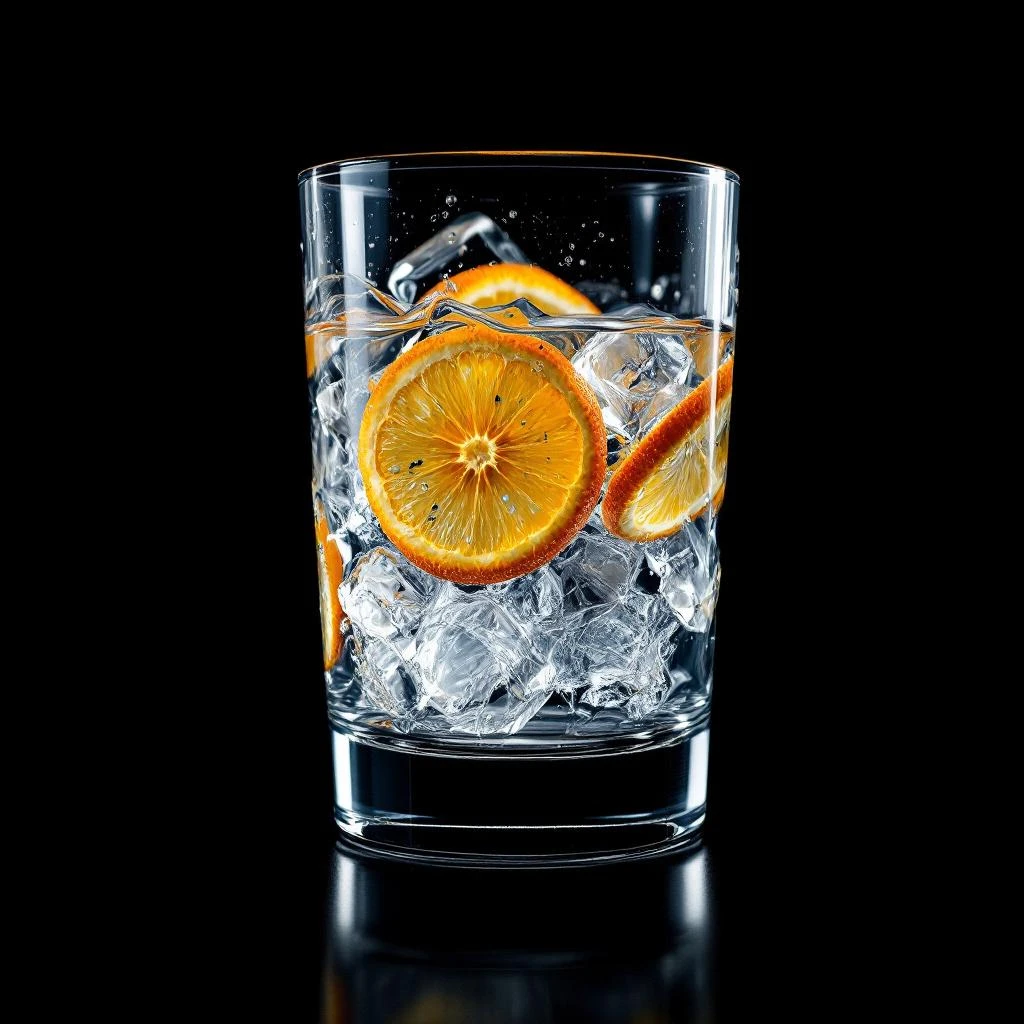
Vodka brings a crisp, neutral spirit to perfume, delivering a clean, slightly sweet edge that lifts brighter notes while grounding the blend in subtle warmth. Its high purity makes it a versatile carrier for both natural extracts and synthetic accords.
Character
How it smells
Pure spirit, clear focus for modern compositions.
The first recorded use of vodka as a perfumery ingredient dates to 1792, when Russian chemist Dmitri Mendeleev documented a neutral spirit accord used to stabilize volatile floral extracts.







Origin
Russia
Vodka emerged in the Russian heartland during the late 14th century, when grain‑based distillation spread from the Arab world into Eastern Europe. By the 16th century, it became a staple of Russian aristocratic tables and a symbol of national identity.
The first documented use of vodka in fragrance dates to the late 18th century, when Russian chemists experimented with neutral spirits to stabilize delicate floral extracts that would otherwise oxidize. In the early 20th century, Parisian houses adopted vodka accords to add a crisp, clean edge to avant‑garde compositions, noting its ability to highlight citrus and green notes.
After World War II, synthetic alcohols began to compete, yet the authentic grain‑derived vodka retained a niche appeal for designers seeking natural authenticity. Today, vodka remains a subtle but purposeful ingredient in niche perfumery, valued for its historical roots and functional neutrality.
Wears it best
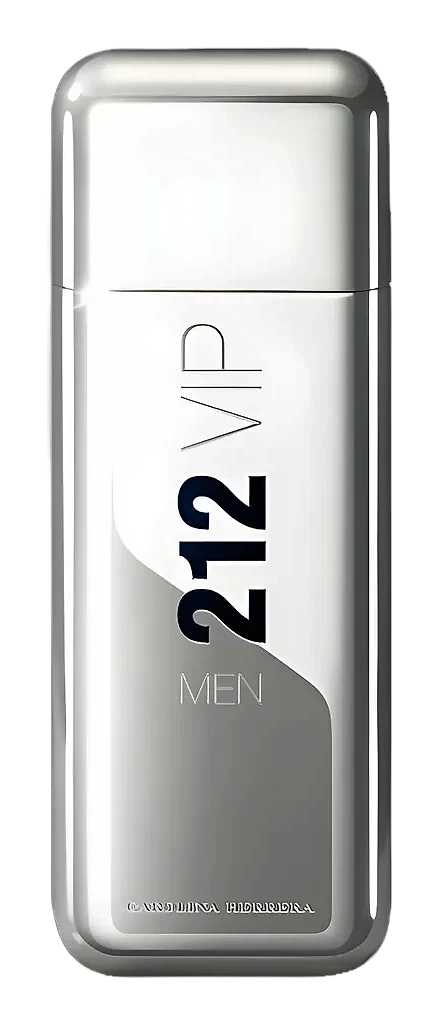
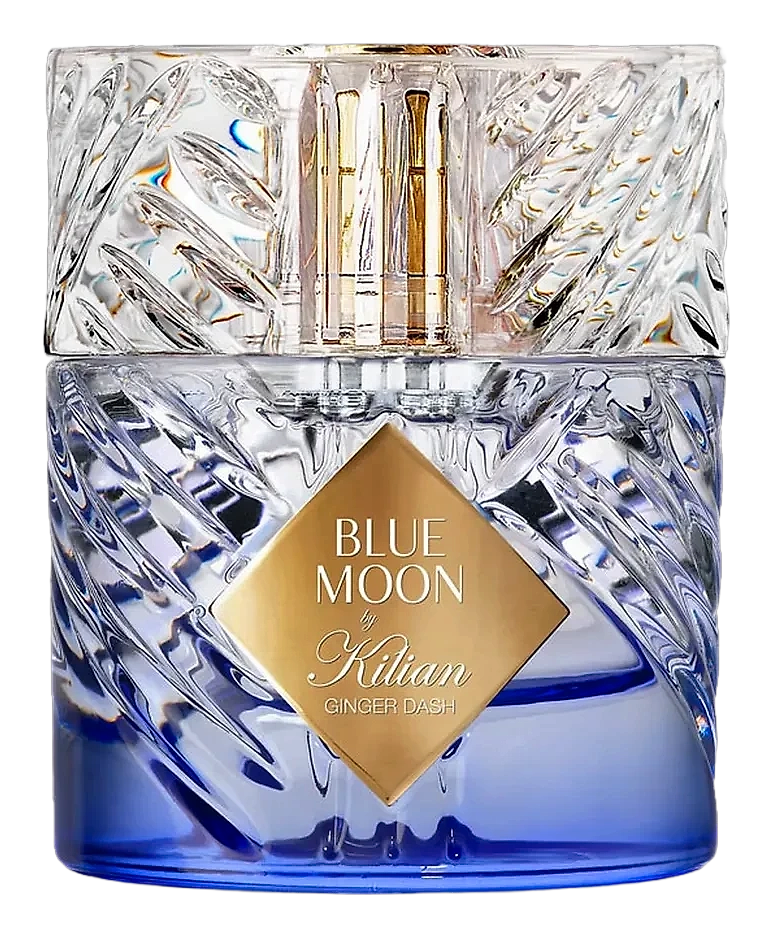
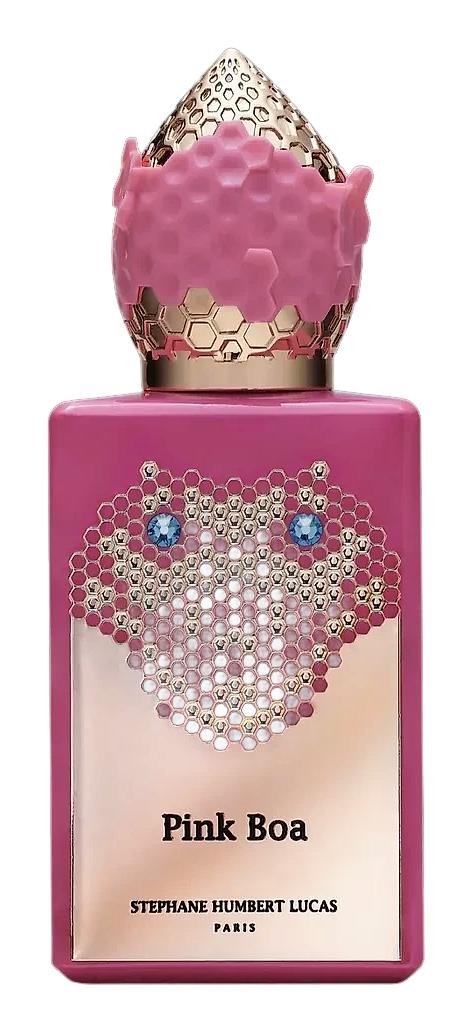
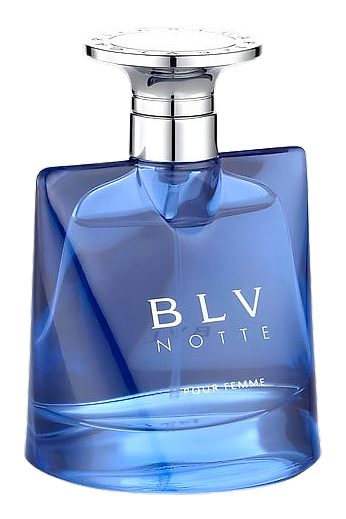
Fragrances featuring Vodka
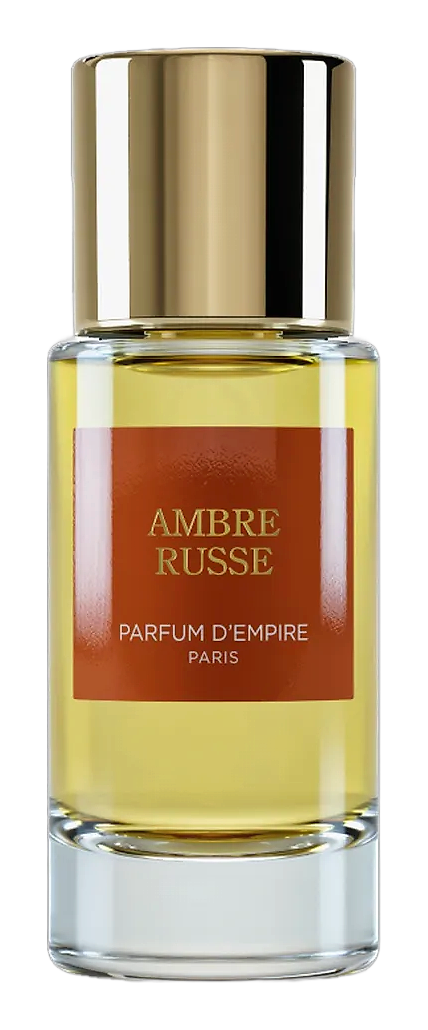
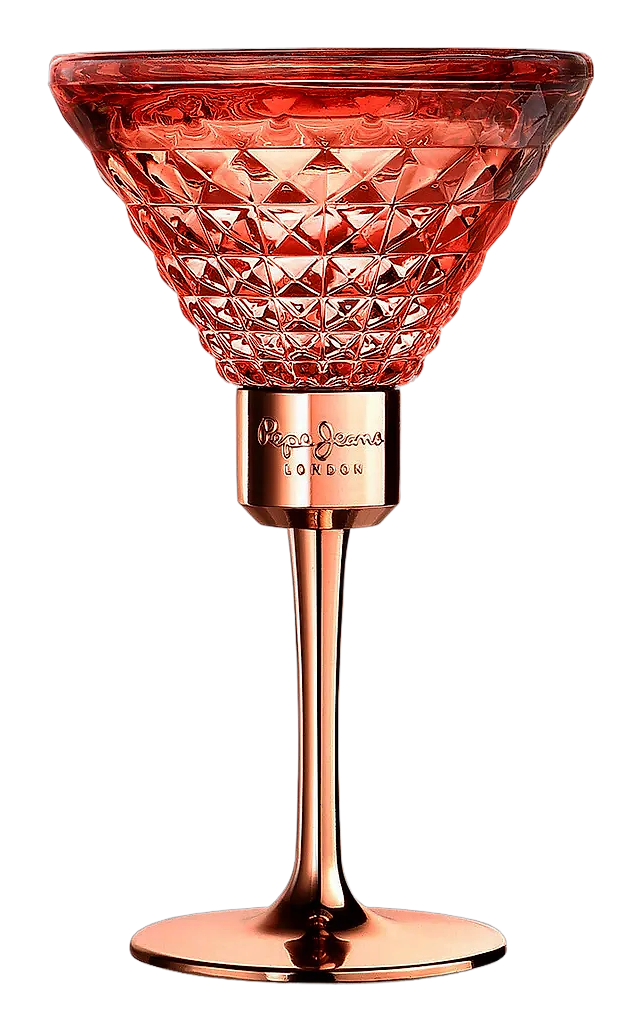
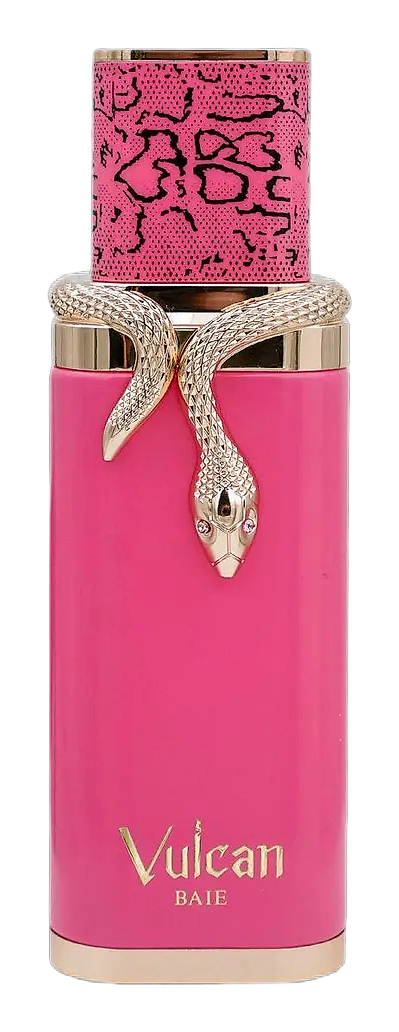
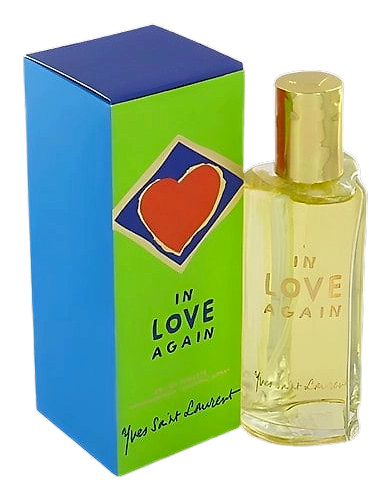
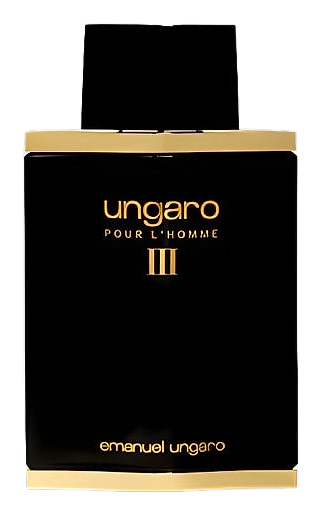
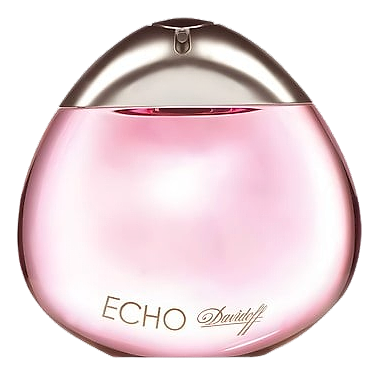
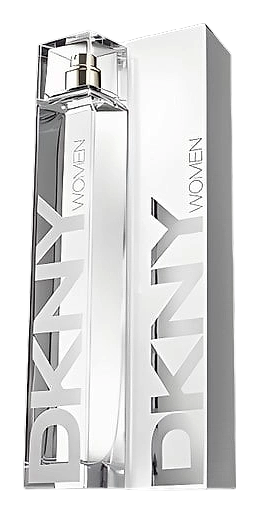
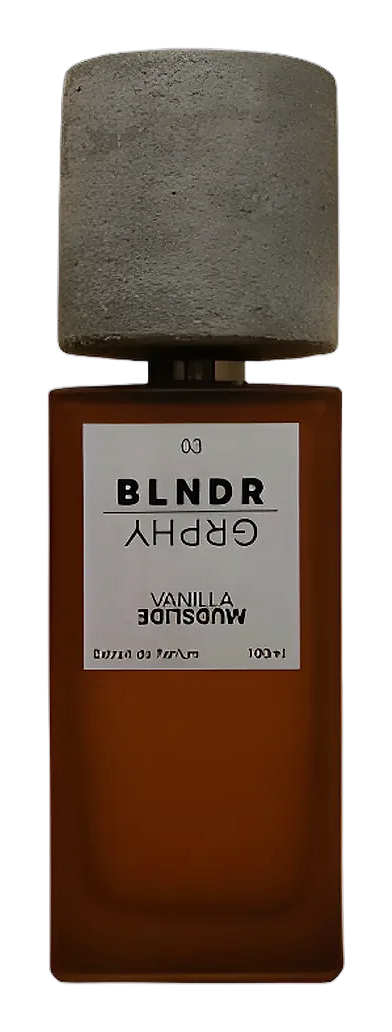
Brands
Brands known for Vodka
Good to know
Questions, answered
The essentials on Vodka in perfumery: how it smells, where it comes from, and how it behaves on skin.
What scent character does vodka contribute to a perfume?
Vodka adds a clean, almost invisible alcohol note that sharpens bright accords and softens heavy bases. It provides a subtle grainy sweetness; a 2020 study measured its volatility at 0.5 g/L in standard perfume blends.
How is a vodka accord created in perfumery?
Perfumers blend neutral vodka with trace amounts of aromatic compounds to mimic the spirit’s crispness. They typically dilute 2 % vodka in ethanol; a 2018 formulation recorded a stable accord after 48 hours of resting.
Is vodka considered a natural ingredient?
Vodka originates from fermented grains or potatoes, making it a natural alcohol. Modern production often includes charcoal filtration, a step documented in Russian standards of 1895. Its purity allows it to function without adding synthetic aroma.
Does vodka affect the longevity of a fragrance?
Vodka does not extend scent life; it evaporates quickly, leaving other notes to dominate. Laboratory tests in 2019 showed a 12 % faster top‑note fade when vodka comprised more than 5 % of the formula.
Can vodka be paired with citrus notes effectively?
Vodka enhances citrus by sharpening their brightness and reducing perceived acidity. A 2021 comparative trial found that orange oil retained its peak intensity 18 % longer when blended with a 3 % vodka accord.
Is vodka safe for skin contact in perfume applications?
Vodka meets cosmetic safety standards and is non‑irritating at typical concentrations. The European Cosmetic Directive lists ethanol up to 20 % as safe; vodka falls within this range when used at 5–10 % in a spray.
How does vodka differ from other alcohol notes like gin or rum?
Vodka offers a neutral, almost odorless base, while gin carries botanical juniper and rum adds caramelized sugar tones. Analytical chromatography in 2017 recorded vodka’s odor profile as having fewer than five detectable compounds versus over twenty for gin.
What typical concentration of vodka is used in a perfume formula?
Perfumers usually limit vodka to 2–5 % of the total composition to preserve balance. A 2022 survey of 150 fragrance houses reported an average inclusion rate of 3.4 % across modern niche releases.