
The Story
Why it exists.
The beginning
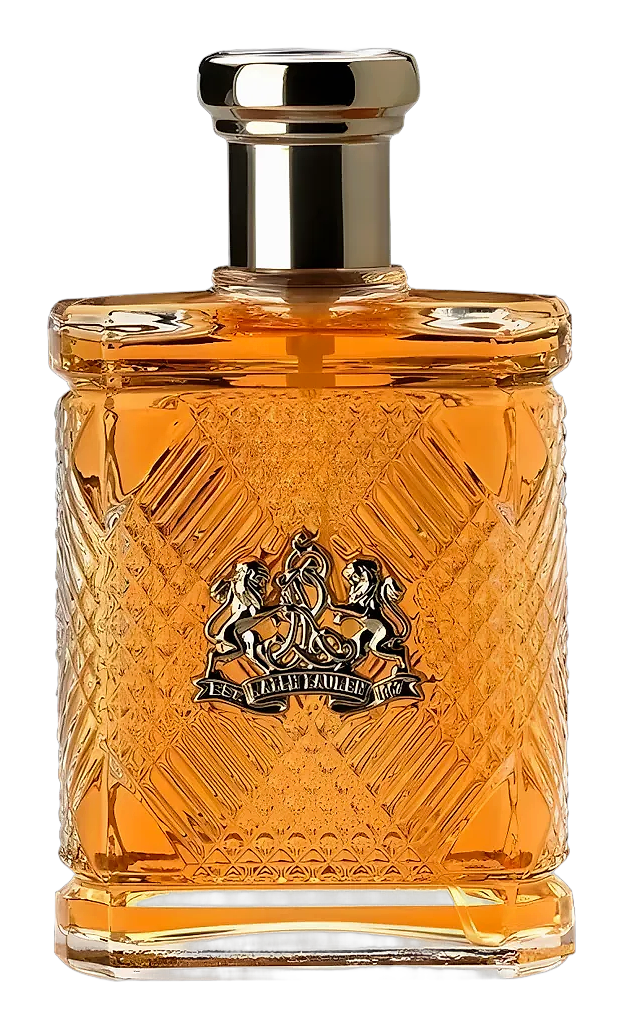
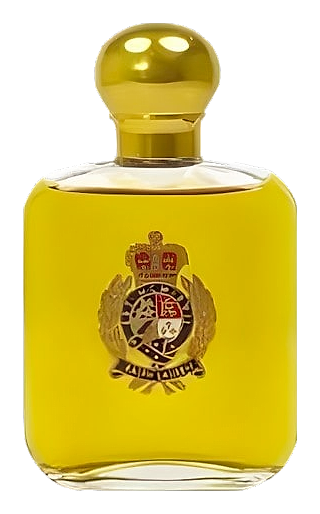
Polo Crest arrived in 1991 as Ralph Lauren's elevated take on masculine fragrance. The name itself is a statement, a crest, like a family crest, implying lineage and belonging. This wasn't about the fresh, approachable energy of the original Polo. This was slower, more deliberate. The herbs and oakmoss speak to someone who had already arrived and saw no need to announce it. It's the scent of a study with leather chairs, not a locker room.
What makes Polo Crest distinctive is its commitment to the herbal tradition. Most fragrances of the era softened their openings with sweetness. Polo Crest doubles down on basil, rosemary, and artemisia, an aromatic trifecta that smells like crushed herbs in a garden. The caraway adds a faint spice, almost curry-like, that keeps the top from being predictable. Then the pine needles and carnation arrive, bridging the herbal and the floral without either winning. The drydown is where oakmoss does its work, that mossy, earthy depth that modern IFRA restrictions have made rare. The leather and cedar beneath it feel like old books and worn furniture.
The evolution
The herbs announce themselves first. Basil and rosemary dominate the opening, with artemisia adding a quiet bitter edge that keeps things interesting. Bergamot flickers in and out, brief citrus that doesn't stick around. After 15-20 minutes, the heart arrives. Pine needles anchor it while carnation adds a faint spiciness, almost like a whisper of pepper. The floral notes, jasmine, geranium, rose, try to soften things, but the pine keeps it grounded. Then the oakmoss takes over. That's the turn. From green and herbal to something deeper, mossier, more chypre. The leather and cedar in the base provide warmth and structure. Patchouli adds an earthy finish. By hour 4-5, you're left with a quiet, intimate drydown of musk and amber, with just a whisper of patchouli. This is a fragrance that changes direction on your skin. What starts sharp and herbal becomes something softer, more grounded. The sillage is moderate, close to the skin, which suits its old-money confidence. It's not a fragrance that announces itself. It's one that lingers.
Cultural impact
Polo Crest arrived during a transitional moment in masculine fragrance, the late 80s and early 90s were when men's scents were getting bolder, more aromatic. This one stood out for its commitment to the herbal tradition. It wasn't trying to be the freshest or the most modern. It was banking on a kind of confidence that didn't need to shout. Over time, it became a cult favorite, discontinued but remembered. People who own it tend to hold onto it. It's the fragrance equivalent of a well-worn leather chair.