The Story
Why it exists.
The beginning
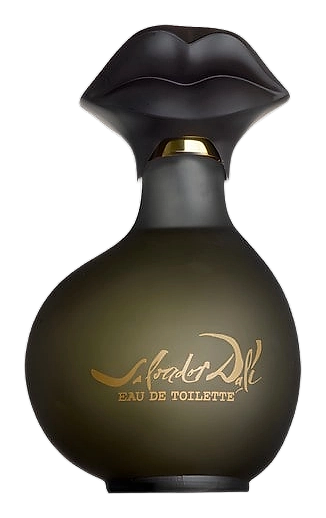
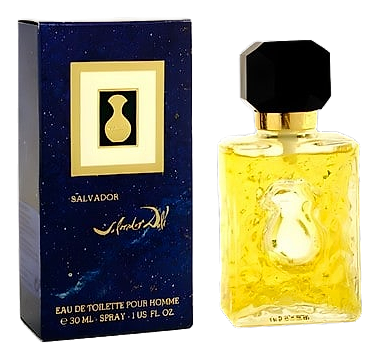
Salvador by Salvador Dalí arrived in 1992, crafted by perfumers Gérard Anthony and Ilias Ermenidis. This fragrance leans into something warmer and more theatrical than its predecessors, a floral-oriental construction with leather at its core. Herbs and aldehydes open the composition with a sharp, green brightness that catches attention immediately. Beneath them, leather and spice quietly stage their own performance, the leather asserting itself with a worn-saddle richness while spices pulse underneath like a slow heartbeat. The aldehydes add a waxy, almost nostalgic quality that softens the sharper elements, allowing the floral heart to emerge gradually. It's the kind of fragrance that arrives with intention, and has the longevity to make sure you remember it.
What makes this composition unusual is the density of the top layer, eight notes, many of them herbal or aromatic, arriving almost simultaneously. Tarragon, caraway, artemisia: these aren't crowd-pleasers. They arrive sharp, green, almost medicinal before the aldehydes smooth them into something more legible. The carnation in the heart is the pivot point: it adds a clove-like spice that bridges the florals into the warmth below. The leather isn't in the top, it's the base, waiting. And when it arrives, it doesn't leave.
The evolution
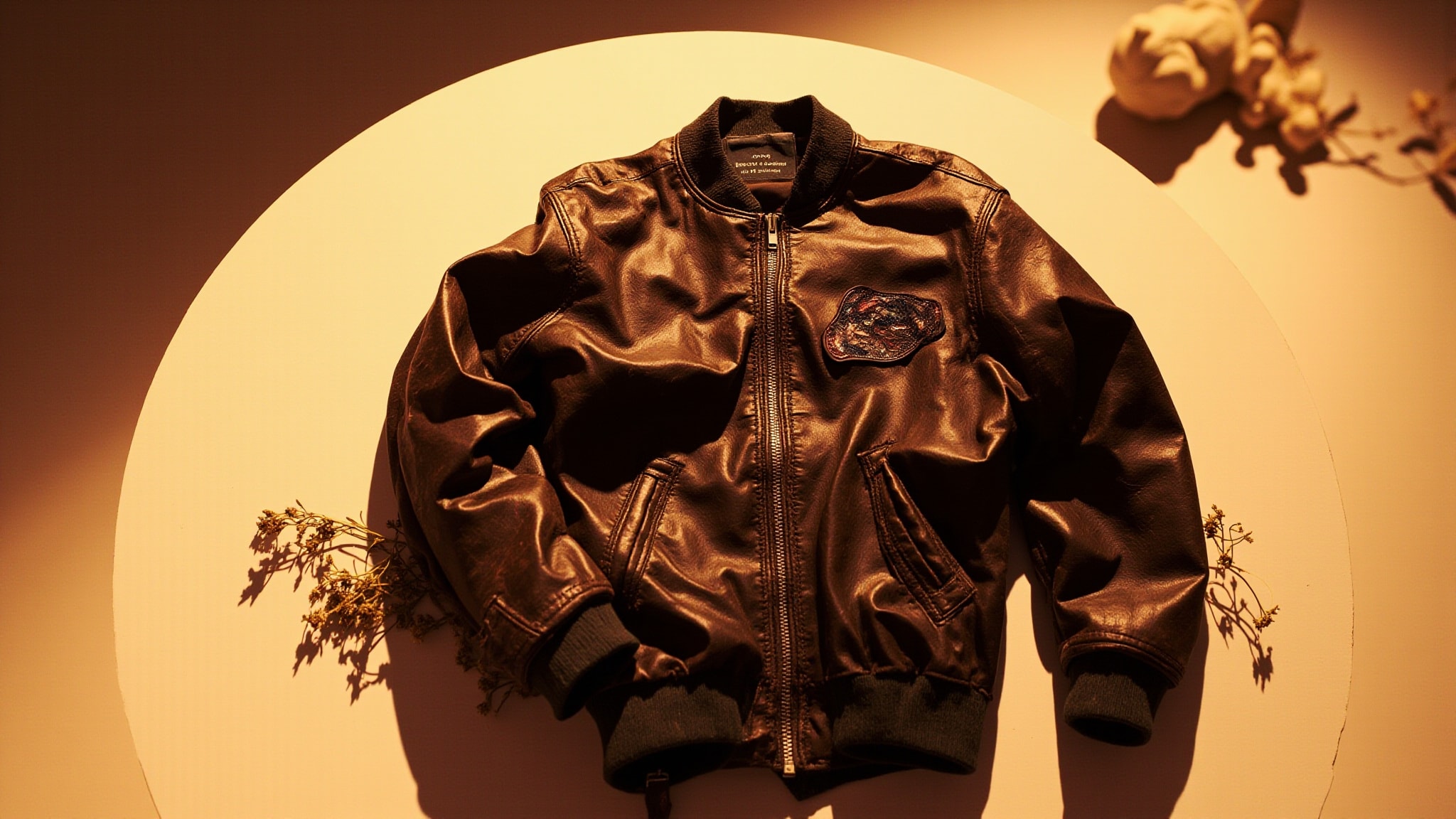
Opens with a sharp aldehydic burst that cuts through everything before it. Green herbs follow quickly, tarragon and coriander arrive almost medicinal before the bergamot and aldehydes soften the edges. Ten minutes in, the heart opens: warm carnation, a flicker of rose, jasmine holding the florals together without going sweet. The transition is clean. Then the leather arrives. Not synthetic or sharp, the kind that's been worn, softened by skin. Oakmoss and patchouli form the bridge, while vanilla and tonka bean add a quiet sweetness that keeps the leather from tipping into harsh. The drydown holds for hours. Cedar and musk settle close, projecting moderately. On fabric, the leather-smoke-sweetness stays the next morning.
Cultural impact
Salvador occupies a specific corner of early-90s masculine perfumery: the bold, spicy-leathery chypre that rewards patience over instant gratification. The fragrance presents itself with confidence, refusing to apologize for its assertiveness. Its mossy, animalic character stands apart from the decade's cleaner, safer masculine releases, offering something more complex and demanding. The combination of leather, oakmoss, and spice creates a dense, multi-layered experience that unfolds differently as hours pass. For those seeking fragrances with real presence and historical weight, Salvador represents an era when masculine perfumery took risks.