
The Story
Why it exists.
The beginning
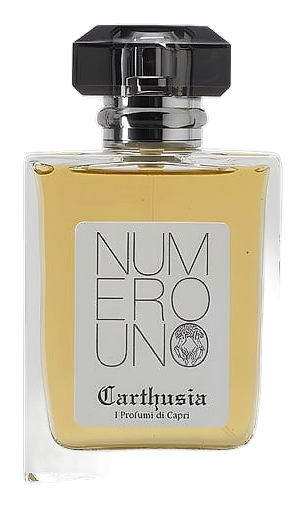
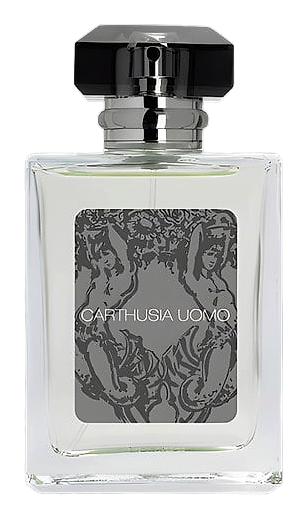
Carthusia Uomo arrived in 2004 from perfumer Laura Bosetti Tonatto, created with a sensibility toward understated refinement. The fragrance opens with citrus that carries both brightness and purpose, immediately asserting itself with clarity. Green notes follow closely, cutting through the initial citrus with an earthier dimension that adds structural complexity. The base settles close to the skin and remains there, offering presence without announcement. The official description calls it a perfume that smells of goodness, of open sea, of fresh fruit, of Russian leather and freshly spun cashmere. That last detail, cashmere, is the key. Not wool's weight or cotton's casualness. Cashmere's quiet luxury. Carthusia Uomo is worn by someone who doesn't need you to notice.
The pyramid structure tells its own story. Four top notes, lemon, bergamot, green notes, freesia, suggest an opening that refuses to sit still. Citrus brightness leads, but the green notes keep it grounded, preventing the sweetness that can plague fresh masculine fragrances. The heart is where it becomes undeniably male: geranium's green-spice, cedar's dry structure, patchouli's earthy depth. Jasmine and lily of the valley soften the landing, but they don't take over. The base, oakmoss, white musk, sandalwood, amber, is where the cashmere lives. That combination of moss and musk and wood creates warmth without heaviness, sensuality without announcement. It's the drydown that makes you lean in.
The evolution
The opening announces itself clearly, bergamot and lemon, bright and direct. Green notes arrive within minutes, tempering the citrus with something earthier. This first twenty minutes is the freshest the fragrance gets, a crisp and invigorating phase where the citrus and green elements interplay most dynamically. The hand-off matters here. The florals, geranium, jasmine, lily of the valley, don't arrive all at once. They emerge as the citrus fades, adding complexity without sweetness. Cedar and patchouli ground them almost immediately, pulling the composition toward dry wood rather than garden. By the second hour, the oakmoss has taken over. This is the fragrance's true character: green, clean, intimate. White musk keeps it close to the skin. Sandalwood adds warmth without creaminess. The amber is subtle, present, but never dominant.
Cultural impact
Carthusia Uomo emerged as a fragrance for men who preferred a different approach to personal scent. Its composition offered a Mediterranean sensibility, with aromatic herbs and bright citrus playing against warmer, earthier undertones. The moderate projection suited a wearer who valued discovery over declaration. It's remained in production for over two decades, finding its audience among those who discovered it quietly and returned to it consistently. The fragrance attracts men who appreciate craftsmanship over trend, choosing something that rewards attention rather than demanding it.