
The Story
Why it exists.
The beginning
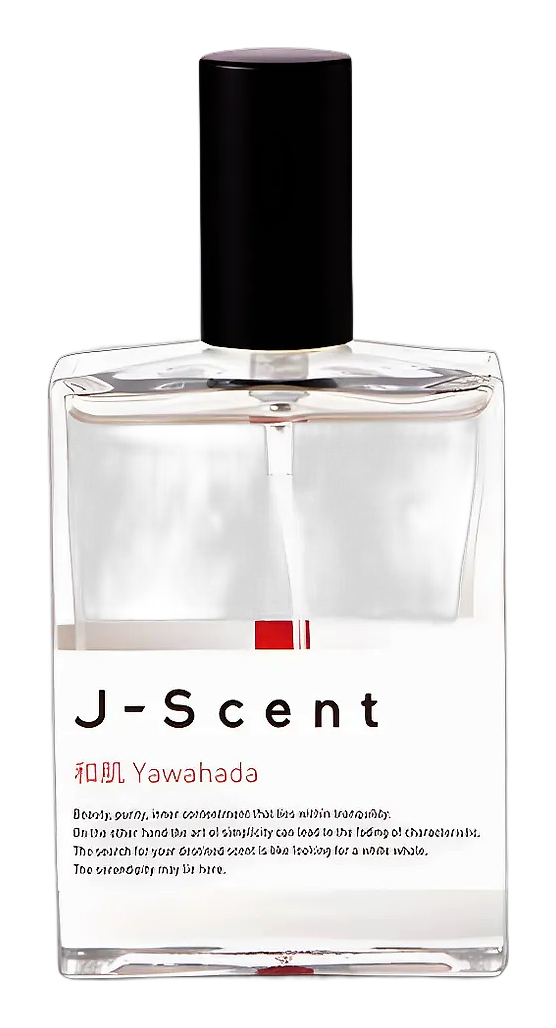
Yawahada, a name that evokes tenderness in Japanese, draws its inspiration from Yasunari Kawabata's novella House of the Sleeping Beauties. The story centers on an older man who visits a peculiar establishment where young women sleep, and J-Scent looked beyond the plot to something the narrative embodies: the quiet atmosphere of rest, of skin at ease, of breath slowed to stillness. The fragrance translates this into a composition of rice powder and milk, softened by the faintest floral trace. No statement. Just presence.
Rice powder as a perfume material is uncommon in Western fragrance, more common in the cosmetics of East Asia, where powder textures dominate skincare and makeup in ways the West has never quite adopted. J-Scent uses it here not as a footnote but as the heart of the composition. Combined with milk, it creates what reviewers consistently call a lactonic accord, creamy and slightly sweet. The restraint is unusual for this type of accord, which often carries animalic weight in perfumery. Yawahada pulls back, keeping the whole structure airy.
The evolution
The opening is brief and bright. Pear and Green Notes arrive together, cool and almost dewy, before the transition begins. No sharp cut. The rice powder and milk emerge gradually, like something warming on skin rather than landing on it. White florals, jasmine, then a quieter rose, attach themselves to the lactonic base, extending the creamy mid-section. By the later hours, sandalwood and musk arrive in the base, but this is not a dramatic drydown. The warmth settles close to the skin, intimate rather than projecting. The longevity is moderate, intimate sillage. On fabric, a faint trace of sandalwood sometimes remains by morning. Nothing loud. Just the ghost of something soft.
Cultural impact
Yawahada has become a touchstone for what some wearers call 'second skin' fragrance: something that feels like an extension of the body rather than an addition to it. Reviews describe it as an office-friendly option, a bedtime scent, a fragrance for those who prefer subtlety. The Kawabata inspiration is unconventional, but the fragrance itself makes no demands. That restraint has made it polarizing in one specific way: longevity is moderate, which some wearers find perfect and others find insufficient.