The Story
Why it exists.
The beginning
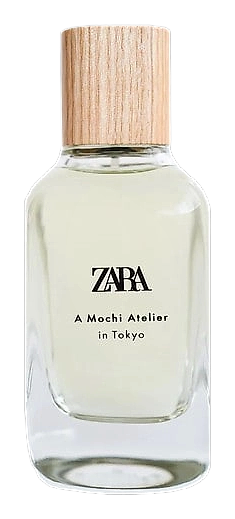
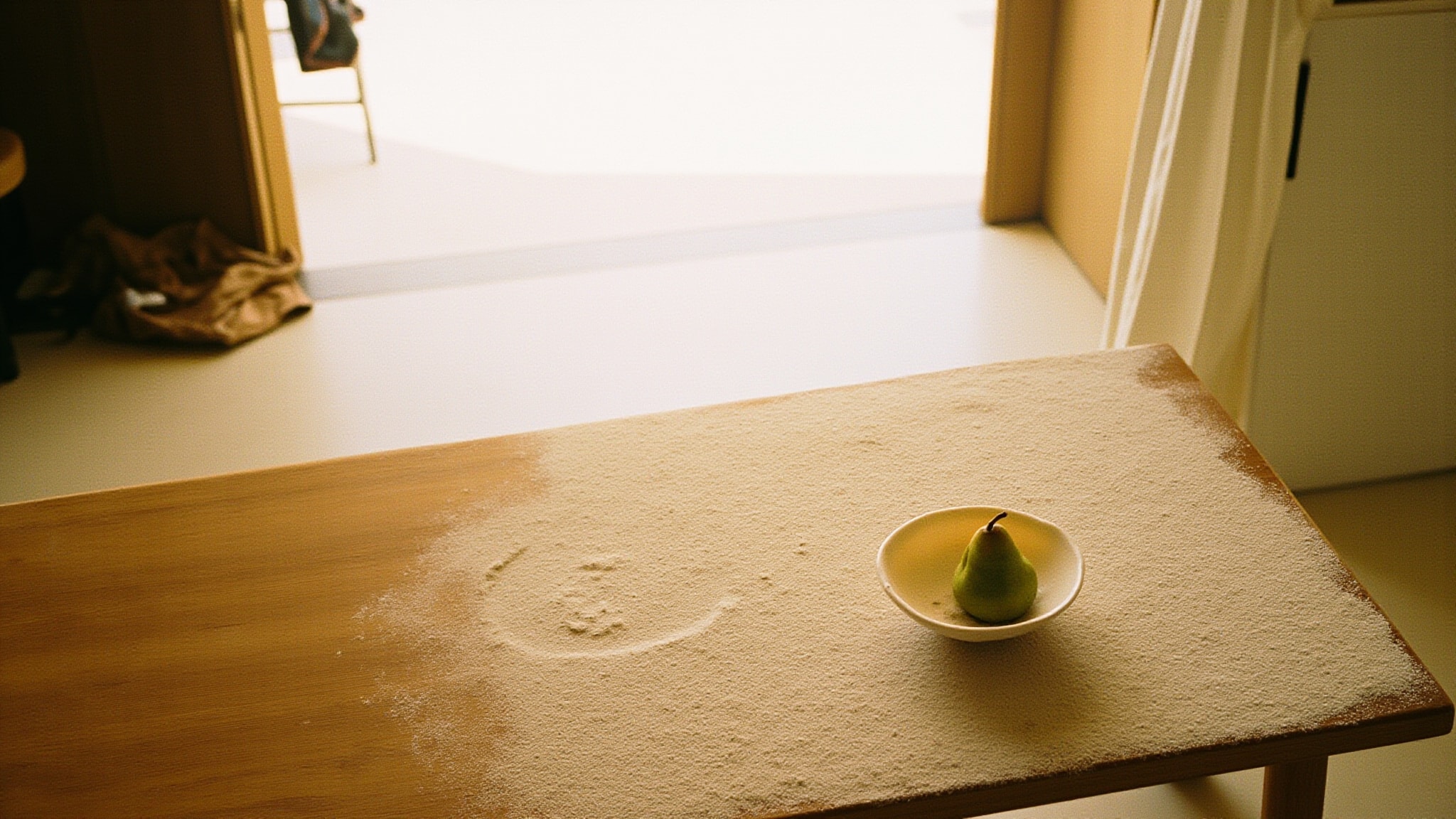
Fabrice Pellegrin built A Mochi Atelier In Tokyo around a single, quiet premise: the Japanese art of making mochi by hand. Two people at a wooden workstation, pounding rice paste with a rhythm older than memory. Steam rising. The scent of something made slowly, made right. That's the brief. That's the fragrance. Not a perfume about Japan, a perfume about the act of making something to share, handed down through generations, unchanged. The name is the story. The story is the name.
Rice as a heart note is unusual. Rice as the bridge between fruit and wood is almost unheard of. Most fragrances use florals or spices to connect top to base, this one uses starch, cream, the quiet warmth of grains. The pear opens bright and juicy, but the rice that follows isn't sweet in any conventional sense. It's the smell of rice flour itself: powdery, slightly grainy, almost savory. That tension, fruity opening, starchy heart, is what makes this composition feel distinctive rather than simple. Sandalwood doesn't project here. It whispers. It holds the rice and pear together like a hand on a shoulder, warm and present without crowding the moment.
The evolution
The opening arrives fast, a burst of pear so juicy it almost tingles. Bright, slightly green, with the sparkle of something just bitten. Within minutes, the pear softens. The rice emerges not as sweetness but as texture: starchy, powdery, the smell of rice flour dusted on hands after work. It fills the space where the fruit was, but gently, no jarring transition, just a quiet hand-off. The sandalwood arrives last, slow and skin-warm. Not the sandalwood of a foundation or a base note that announces itself, this one lingers. Stays close. Becomes part of the skin rather than something applied to it. On fabric, the pear returns briefly before settling into that rice-sandalwood blend. On skin, it fades to something intimate, almost personal. The drydown is the whole point.
Cultural impact
A Mochi Atelier In Tokyo sits in a curious space, a fashion brand's interpretation of Japanese craft tradition, made by a French perfumer, worn by people who want something different. The rice-heart structure is genuinely unusual for a mass-market fragrance, and that's part of its appeal. Wearers describe it as the scent of someone who doesn't need to announce themselves, quiet confidence, not loud luxury. It performs best as a skin scent, intimate and close, the kind of fragrance that someone notices only when they're already leaning in.