
The Story
Why it exists.
The beginning
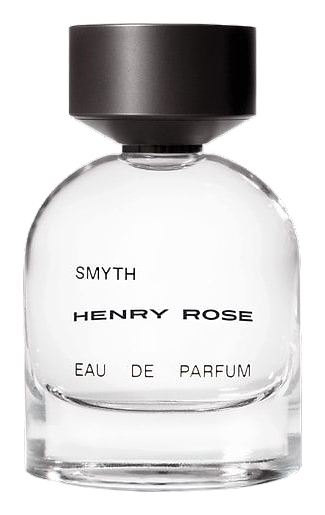
Smyth arrived in 2020 from Henry Rose, the transparency-first house founded by Michelle Pfeiffer. The brief was clear: a genderless fine fragrance that performed cleanly without opacity. Perfumer Yves Cassar worked within the brand's ingredient-disclosure framework, every component visible, nothing hidden. The name itself suggests something deliberate, considered. Not a statement fragrance. A quiet one. What Cassar built was a sorbet structure: cold, bright, translucent. Green apple as the opening signal, then a quick handoff to melon and pineapple. No heavy warmth at the top, no aggressive citrus punch. Just clean, cool, fruit-forward opening that announces itself briefly and then steps back. The heart is where restraint becomes intentional. Star jasmine and white tea, both delicate materials that require a quiet composition to breathe. Apricot nectar sweetens without cloying. This is not a fragrance that competes for attention.
The sorbet accord is the structural choice here. Most fragrances build toward warmth, Smyth builds toward cool. The green apple note is precise: crisp, slightly tart, more gala than granny smith. The melon and pineapple don't add sweetness so much as they add water, hydration, not sugar. What makes the composition interesting is the tension between the fruit-forward opening and the quiet heart. White tea is an underrated material in fine fragrance: it adds a clean, slightly bitter undertone that prevents the fruit from becoming dessert. Star jasmine does jasmine differently, softer, less indolic, more like the memory of a garden than the garden itself. The base is where Henry Rose's clean philosophy shows.
The evolution
Smyth opens with green apple, sharp, bright, clean. The melon and pineapple arrive within seconds, diluting the apple's tartness into something softer. It's the smell of a fruit stand in the early morning, mist on the produce, before the crowds arrive. The transition is quick: the top notes don't linger. Within 15 minutes, the heart takes over. The apricot nectar appears first, sweet, but not sticky. The star jasmine follows, adding a white floral element that stays delicate throughout. White tea is the unexpected material here: slightly bitter, clean, almost green. It prevents the heart from becoming too sweet, too quickly. This phase lasts roughly 2-3 hours on most skin types. The drydown is intimate. Musk and sandalwood arrive together, creating a skin-warm base that feels almost natural. The white woods add a transparency that keeps everything close. This is not a fragrance that announces itself from across the room. It's one you notice when someone leans in to say something.
Cultural impact
Henry Rose arrived in 2019 as the transparency-first answer to an industry built on opacity. Founded by Michelle Pfeiffer, the house challenged the norm that fragrance formulas must remain secrets, publishing every ingredient on every bottle. Smyth, released in 2020, fits squarely into that ethos: a clean, fruit-forward composition that shows its hand entirely. No hidden accords, no proprietary blends to obscure the formula. The genderless positioning reflects a broader clean-beauty movement that treats ingredient disclosure as the new sophistication. Smyth appeals to the modernist who treats ingredient lists like research, wanting to know exactly what they're wearing, and why. The fragrance sits in a specific cultural register: clean beauty meets fine fragrance.