Star Jasmine
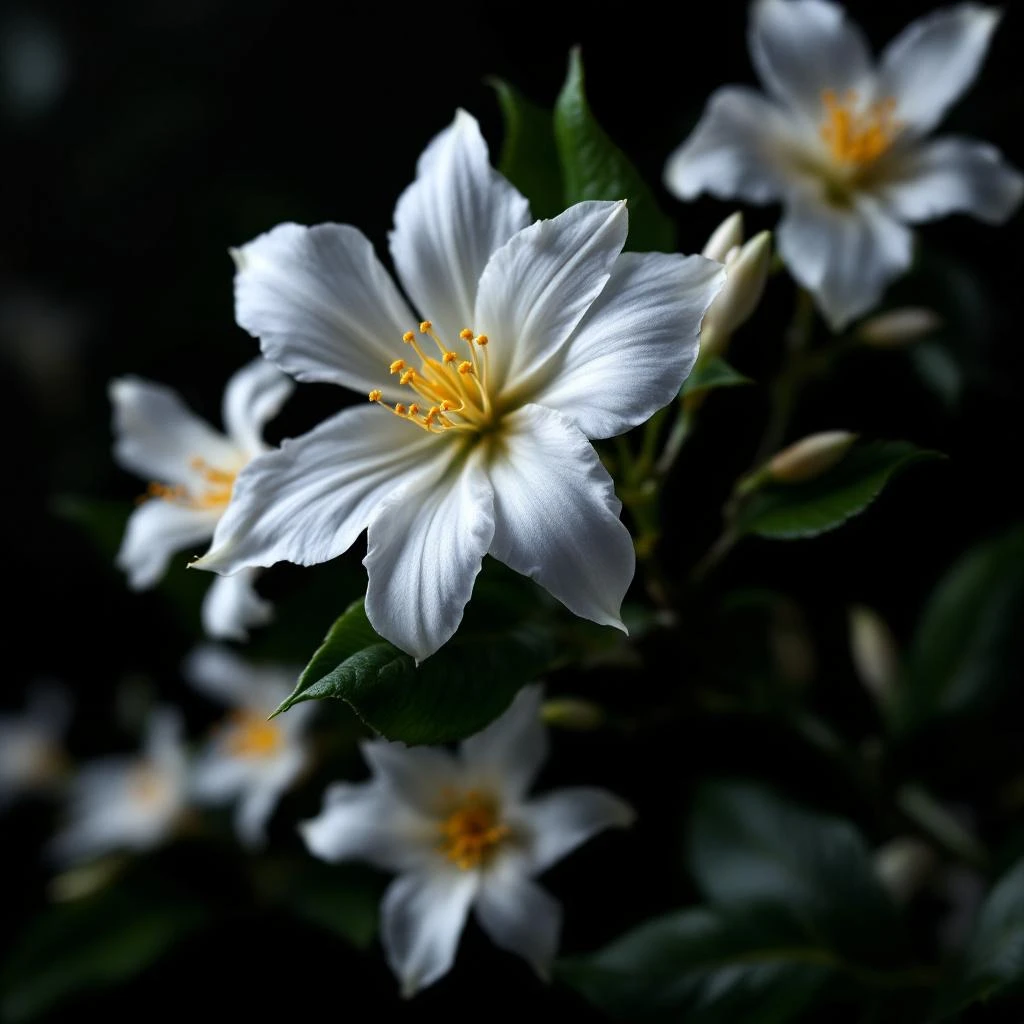
Star Jasmine (Jasminum sambac) holds its breath after sunset, releasing intoxicating white floral notes that have defined luxury perfumery for millennia. Native to Southeast Asia, this night-blooming blossom carries deeper, rounder warmth than its Mediterranean cousin, jasmine absolute. Its richness anchors some of the world's most celebrated fragrances.
Character
How it smells
Southeast Asia's night-blooming jewel of white florals
One thousand jasmine flowers yield barely one gram of absolute. Harvesting happens before dawn, when petals hold maximum aromatic compounds.






Origin
India
Star jasmine originated in the Himalayan foothills and tropical regions of Southeast Asia, where ancient cultures cultivated it for sacred and medicinal purposes. Egyptians used jasmine in the early first millennium BCE to perfume temples and cosmetics. Persian physicians documented its therapeutic applications centuries before the fragrance reached Western markets.
The Moors carried jasmine to Spain in the 1600s, and the shrub quickly spread northward into Italy and France. Grasse, the Provençal city that became the heart of European perfumery, adopted jasmine cultivation with particular enthusiasm. While jasmine absolute production shifted primarily to Egypt, India, and Morocco during the twentieth century, the plant's ancestral connection to Southeast Asia and the Indian subcontinent remains foundational.
Tamil Nadu still dedicates significant agricultural output to jasmine cultivation, supplying raw material to fragrance houses worldwide. The flower's transition from sacred offering to luxury perfume ingredient mirrors the broader evolution of global scent trade.
Wears it best
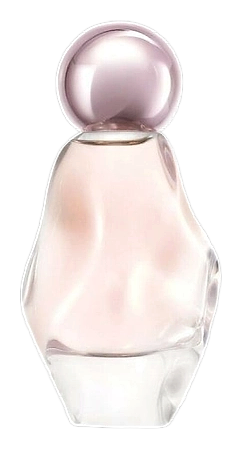
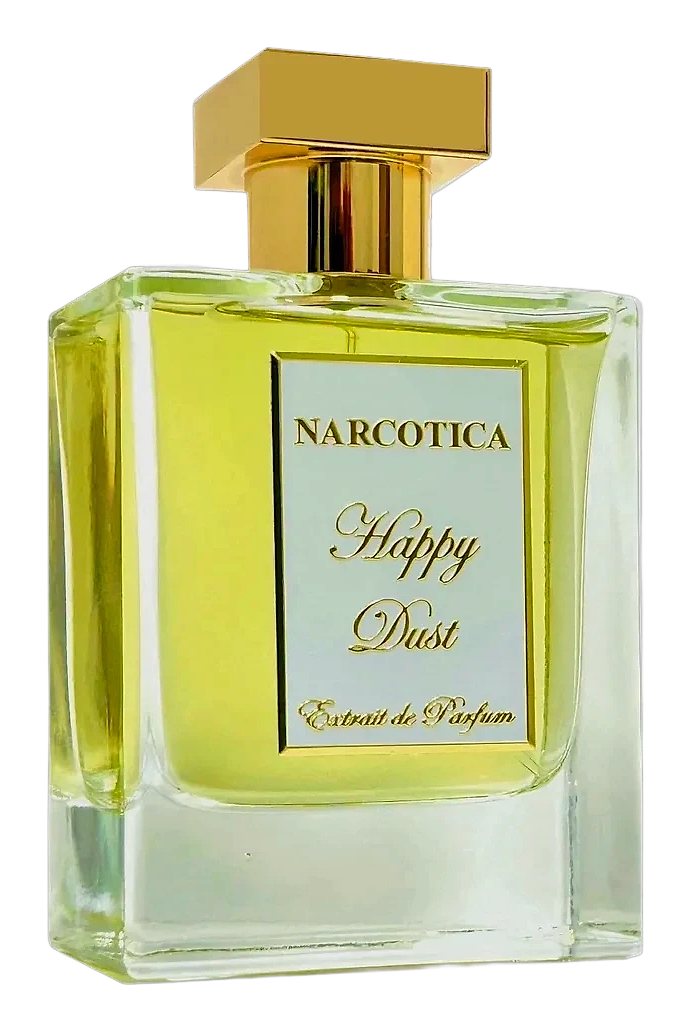
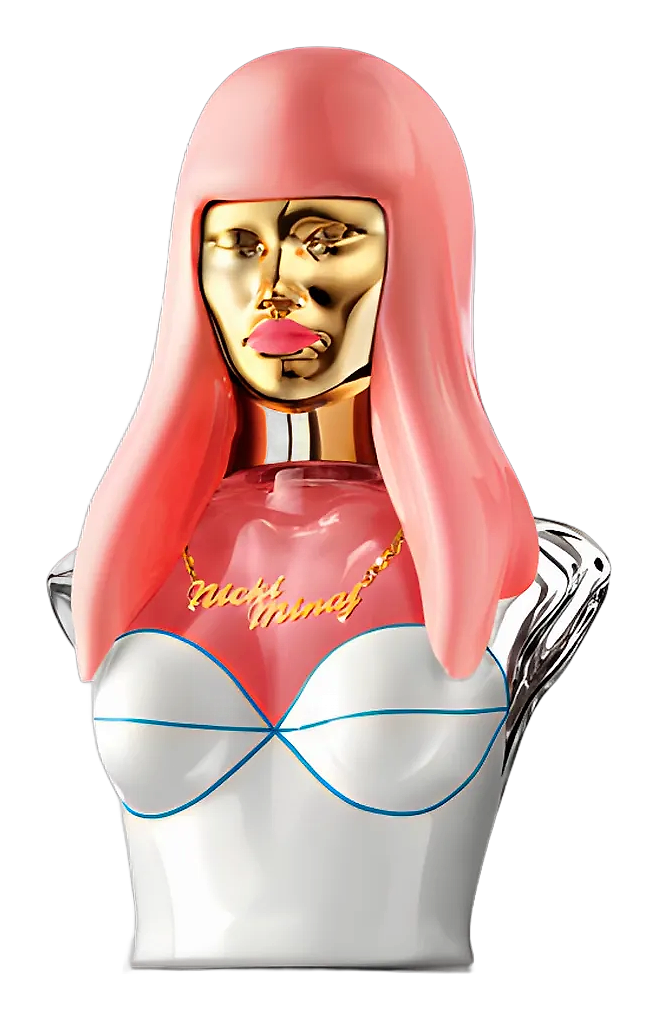
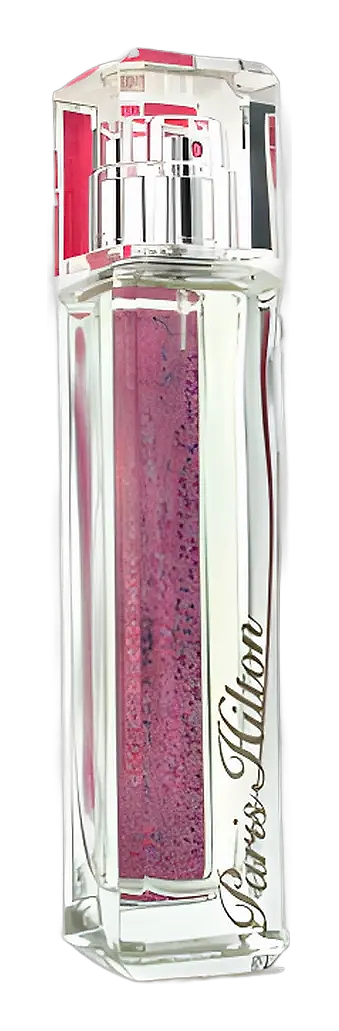
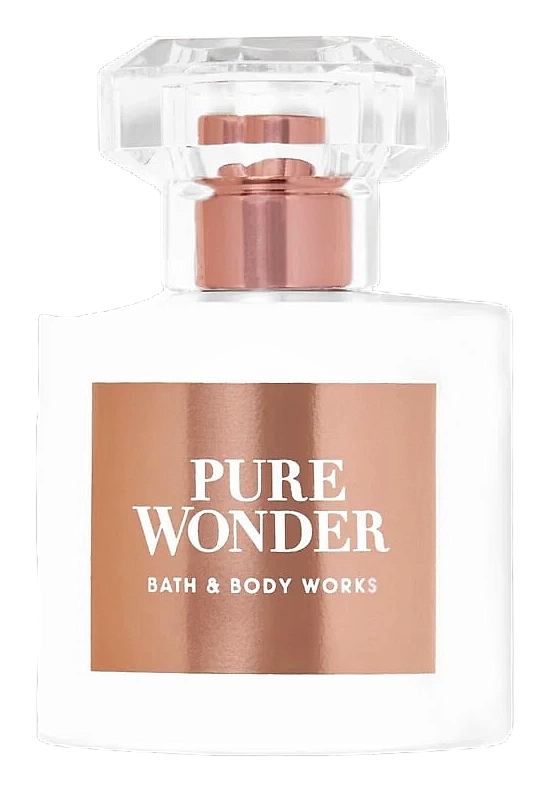
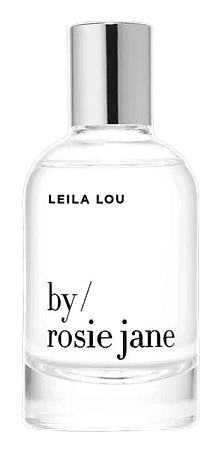
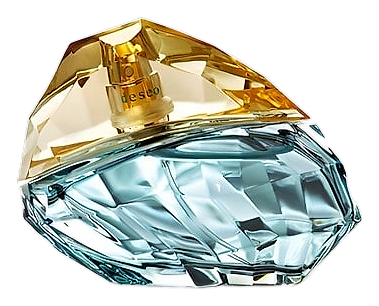
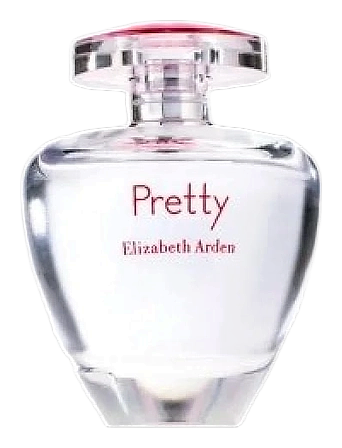
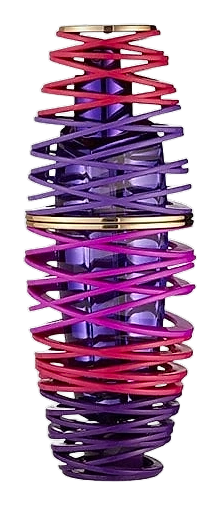
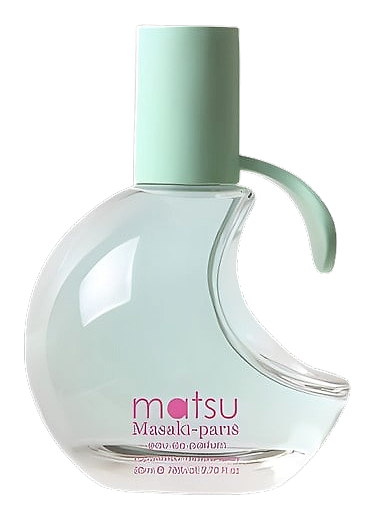
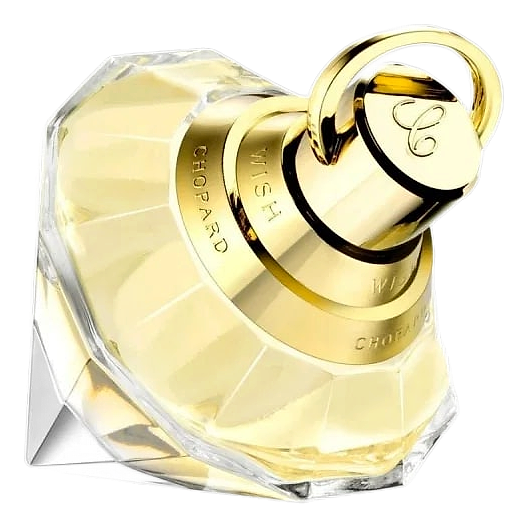
Fragrances featuring Star Jasmine

Brands
Brands known for Star Jasmine
Good to know
Questions, answered
The essentials on Star Jasmine in perfumery: how it smells, where it comes from, and how it behaves on skin.
Is Star Jasmine the same as Sambac Jasmine?
Yes. Star Jasmine is the common English name for Jasminum sambac. Despite the nickname 'Arabian jasmine,' this species originated in Southeast Asia, not the Arabian Peninsula. It differs from Jasminum officinale, the Mediterranean jasmine, by producing larger, waxy flowers with a deeper, fruitier scent profile.
Why is jasmine absolute so expensive?
Jasmine requires hand-harvesting at precise moments. Workers pick flowers before dawn when aromatic compounds peak, and extraction yields remain extremely low. Roughly one million blossoms produce one kilogram of absolute, making jasmine one of the costliest natural ingredients in perfumery.
What does Star Jasmine smell like?
Star jasmine opens with bright, indolic white floral notes and settles into a warm, slightly fruity heart. Compared to jasmine absolute, sambac carries deeper, honeyed warmth with subtle animalic undertones that add richness and complexity to fragrance compositions.
How is jasmine harvested for perfume?
Harvesting occurs in early morning hours when flowers open fully. Workers collect blossoms by hand, often before sunrise, to preserve volatile aromatic compounds. The freshly picked flowers must reach extraction facilities within hours to prevent scent degradation.
Does Silloria use natural or synthetic jasmine?
Natural jasmine absolute and synthetic jasmine molecules each serve distinct functions in fragrance design. Natural jasmine offers unmatched complexity and subtle nuances that synthetic replicas cannot fully replicate. Fragrance houses often combine both, using synthetics to reinforce natural materials and extend supply.
What fragrance families pair well with jasmine sambac?
Jasmine sambac integrates seamlessly with citrus, woody, and ambery base notes. In perfumery, it anchors white floral and oriental compositions while supporting fruity, chypre, and green fragrance structures. The ingredient performs across both women's and men's fragrances.
Can I grow Star Jasmine at home for fragrance use?
Star Jasmine grows as a climbing shrub in warm climates, thriving in USDA zones 9 through 11. The plant produces fragrant white blooms from spring through fall. While home extraction remains impractical, steeping freshly picked flowers in carrier oil creates a mildly scented infused oil suitable for light perfuming.




