Melon Sorbet
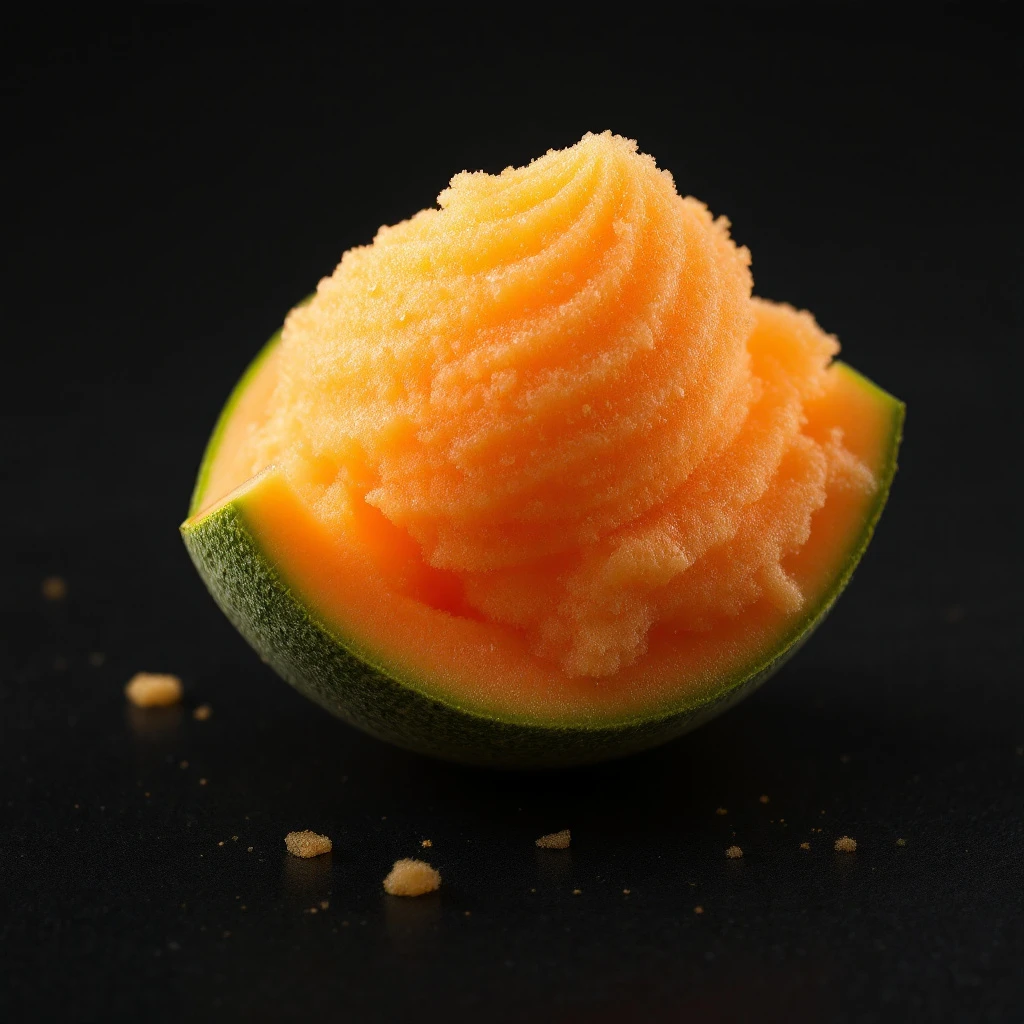
A bright, summery note that captures the essence of chilled fruit. Melon Sorbet brings juicy sweetness with a cool, refreshing finish that lifts entire compositions.
Character
How it smells
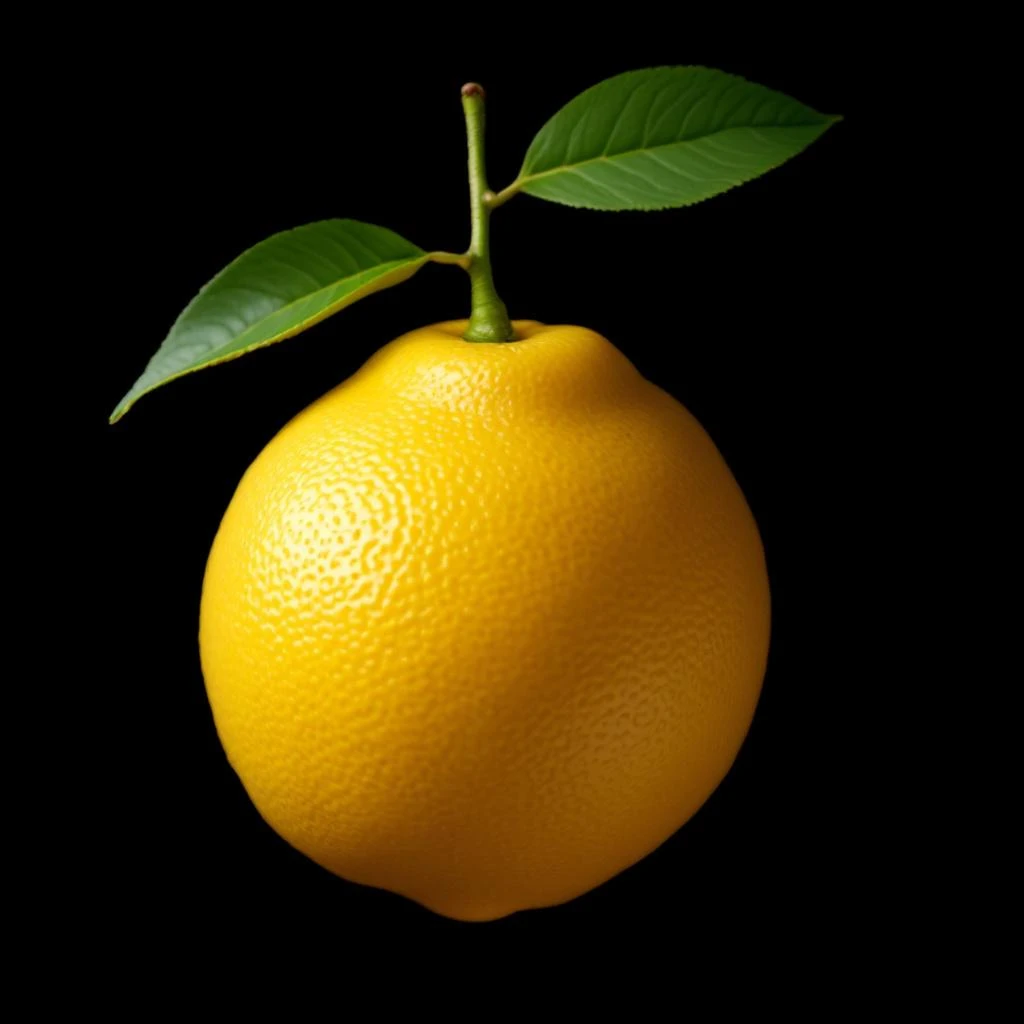
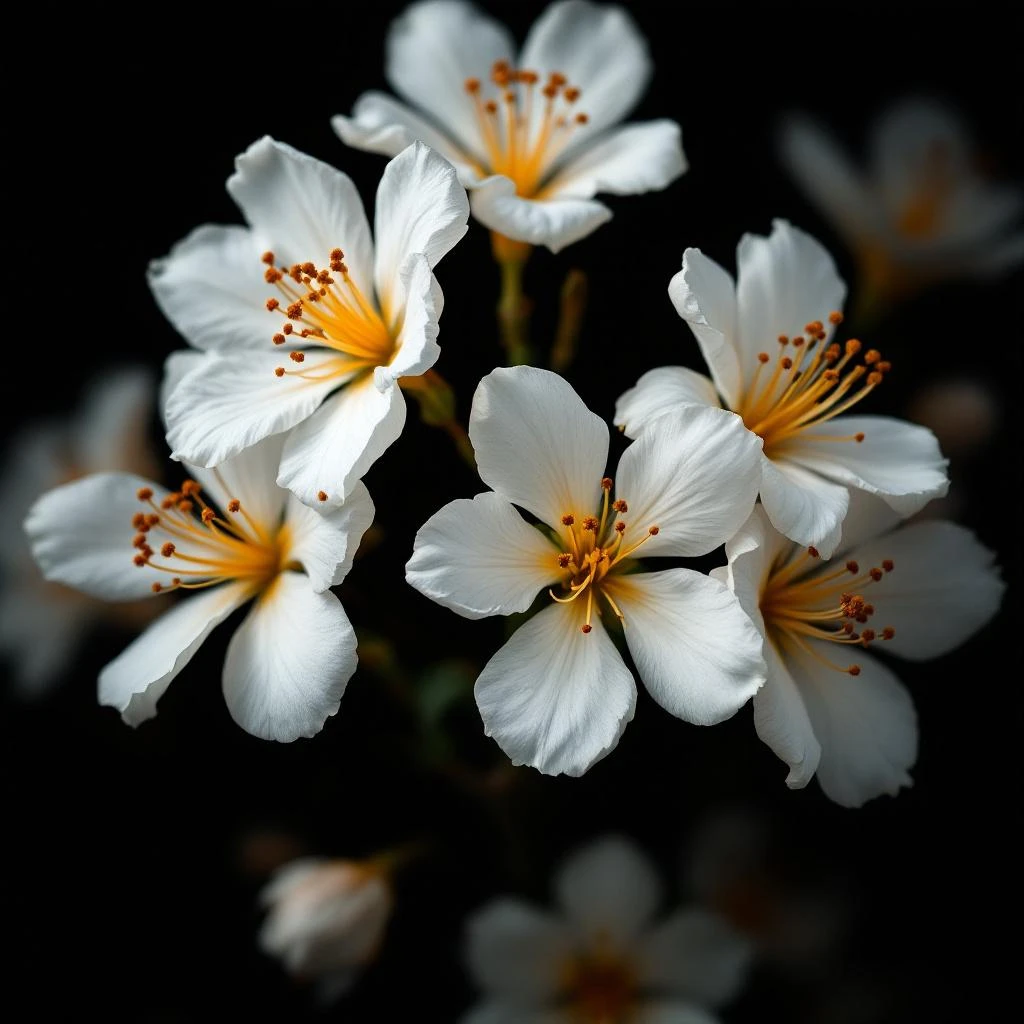
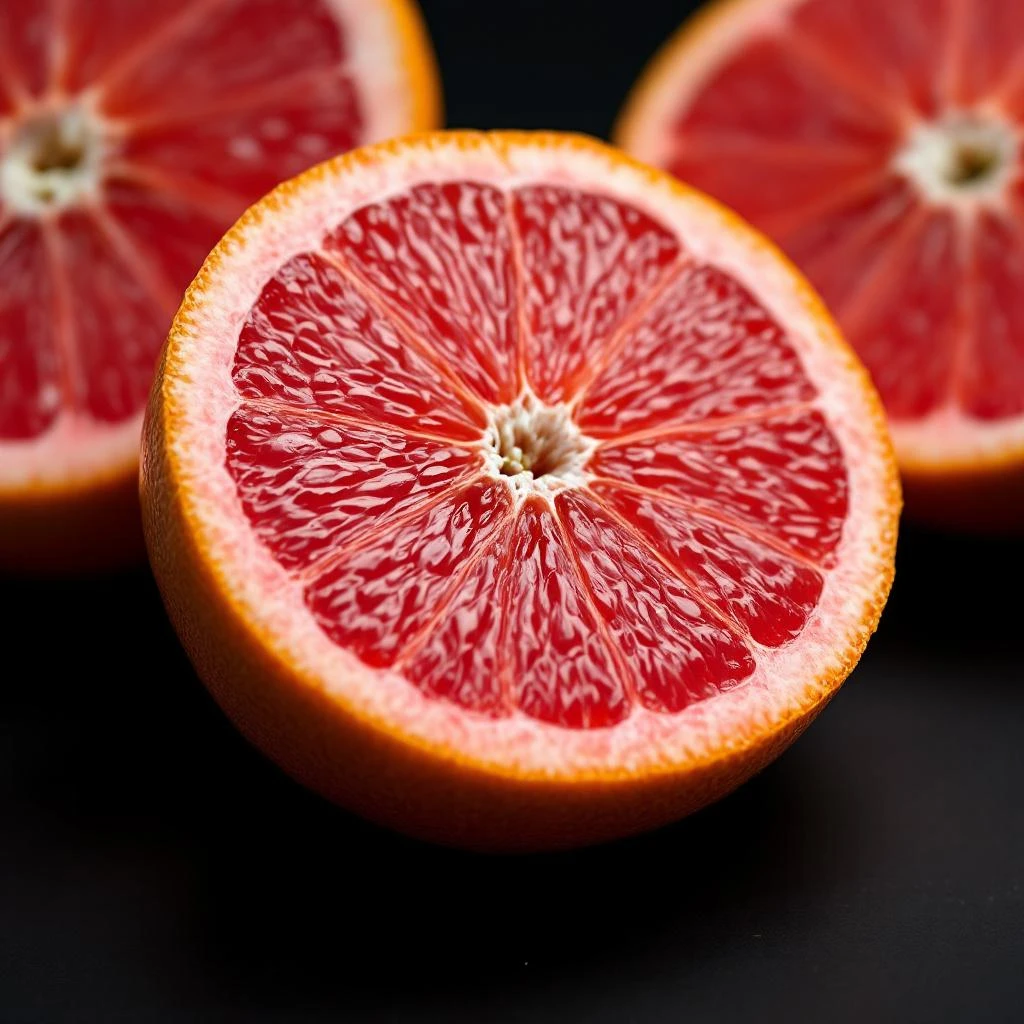
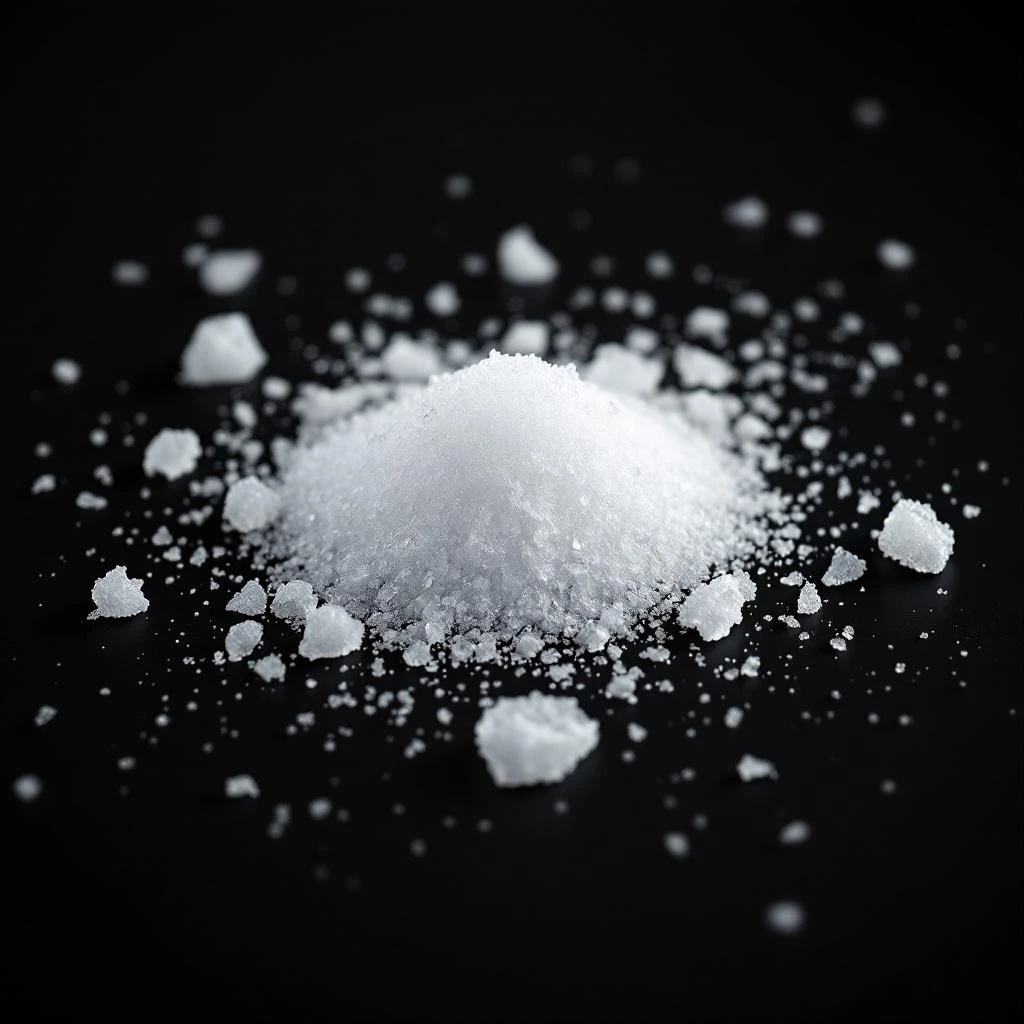
Sun-ripened sweetness, frozen in time.
Melon contains over 90% water, making natural extraction impossible. Perfumers create its signature scent entirely through synthetic chemistry.




Origin
India
The thickly skinned melon traces its roots to India and the African desert regions, where wild varieties first emerged. By 500 B.C., Egyptians had begun cultivating melons, appreciating both their refreshing flesh and cooling properties in the desert climate. Ancient texts document melons as valued food crops prized for their hydrating qualities in hot environments.
From Egypt, melon cultivation spread along Mediterranean trade routes. Greek and Roman authors mention sweet melons in their agricultural writings. The fruit remained primarily a culinary ingredient for centuries, valued for its refreshing nature rather than fragrance applications.
Ancient perfumers rarely worked with melon directly due to its perishable nature and weak aroma. They may have used fruit macerations or infused oils for subtle effects, but melon never became a traditional perfumery ingredient.
The breakthrough came with modern analytical chemistry. In the late 20th century, scientists identified the specific volatile compounds responsible for fresh melon aroma. Once these molecules could be synthesized, melon became accessible to perfumers at scale. The availability of synthetic melon materials shaped the aquatic fragrance trend of the 1990s and 2000s. Fresh, clean, fruity fragrances depended heavily on synthetic melon notes to achieve their characteristic cool, watery quality.
Wears it best
Fragrances featuring Melon Sorbet
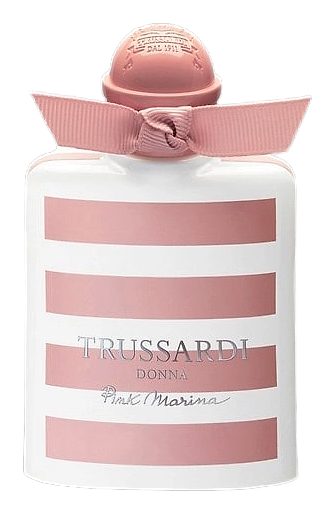
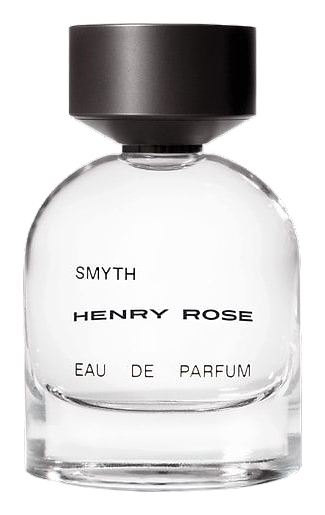
Brands
Brands known for Melon Sorbet
Good to know
Questions, answered
The essentials on Melon Sorbet in perfumery: how it smells, where it comes from, and how it behaves on skin.
Is Melon Sorbet a natural or synthetic ingredient?
Melon Sorbet is synthetic. Natural melon extraction fails commercially because the fruit contains over 90% water with low concentrations of volatile aroma compounds. Perfumers create melon scent through organic synthesis.
What gives melon its characteristic aroma?
Melon's scent comes from compounds like Melonal (2,6-dimethyl-5-heptenal) and gamma-decalactone. These molecules provide the signature sweet, watery, and slightly green character.
What does Melon Sorbet smell like?
It smells like fresh, juicy melon with a sweet, watery quality and subtle green undertones. The sorbet aspect adds a cool, refreshing dimension reminiscent of chilled fruit dessert.
When did melon become a perfumery ingredient?
Melon aroma entered perfumery in the late 20th century when chemists identified key volatile compounds. Before this, fresh fruit extraction was impractical. The synthetic version enabled its widespread use in modern fragrances.
What fragrances typically feature Melon Sorbet?
Summer fragrances, aquatic scents, and fruity florals frequently feature melon. Its fresh, light character suits warm-weather compositions. You will find it in many designer and niche fragrances released since the 1990s.
What challenges exist with natural melon extraction?
The fruit's 90%+ water content yields minimal aromatic material. Extraction attempts produce insufficient concentrate to justify commercial production. No natural melon absolute or essential oil exists in the perfumery market.
How does synthetic melon differ from the actual fruit?
Synthetic melon captures the characteristic aroma compounds isolated from fresh fruit. The version used in perfumery recreates the scent profile without the full complexity of actual melon, focusing on the most impactful aromatic molecules.
What role does melon play in modern perfumery?
Melon provides freshness and sweetness in fragrance compositions. It pairs well with aquatic, floral, and fruity notes. As a top note, it creates an immediate impression of brightness and lightness.