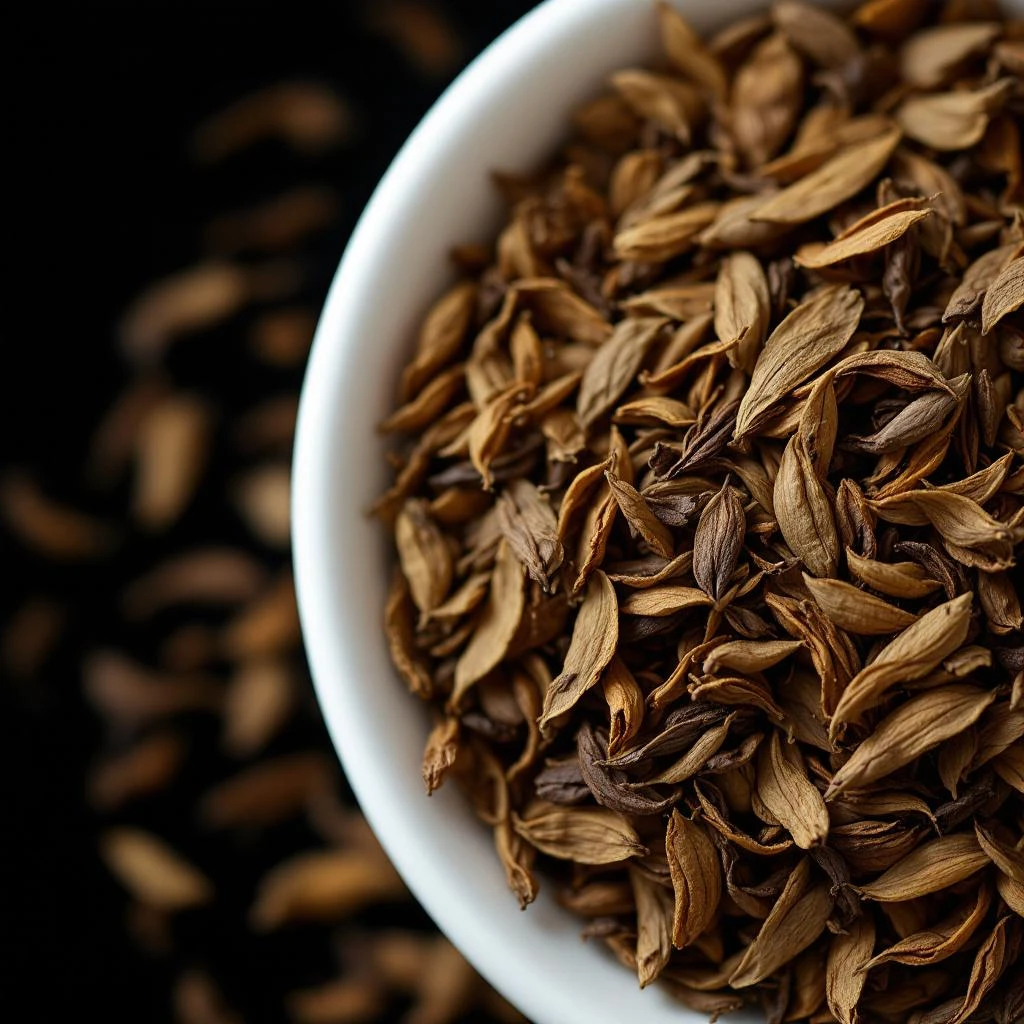
Wintergreen
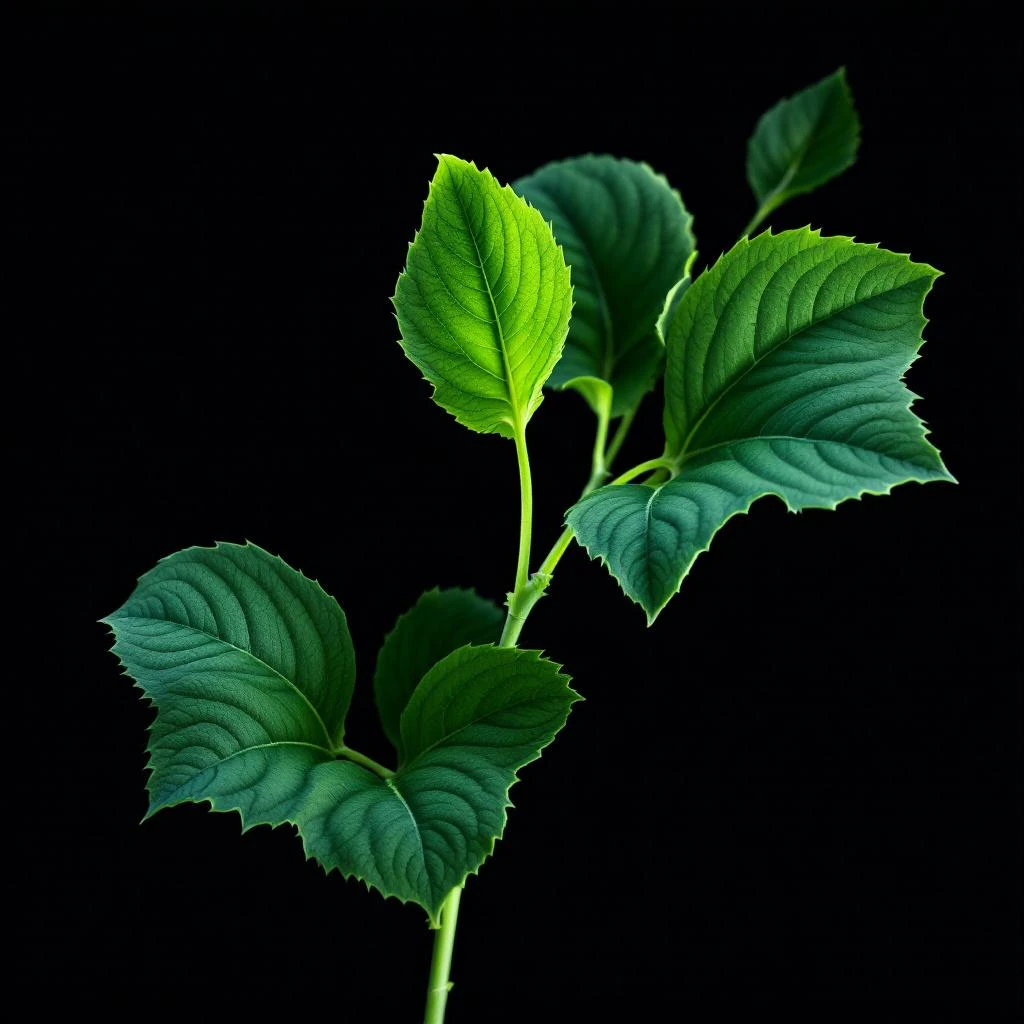
Wintergreen offers a bright, mint‑like aroma anchored by methyl salicylate, evoking fresh forest air and a subtle sweet bite. Its crisp profile brightens blends and adds a clean, invigorating edge.
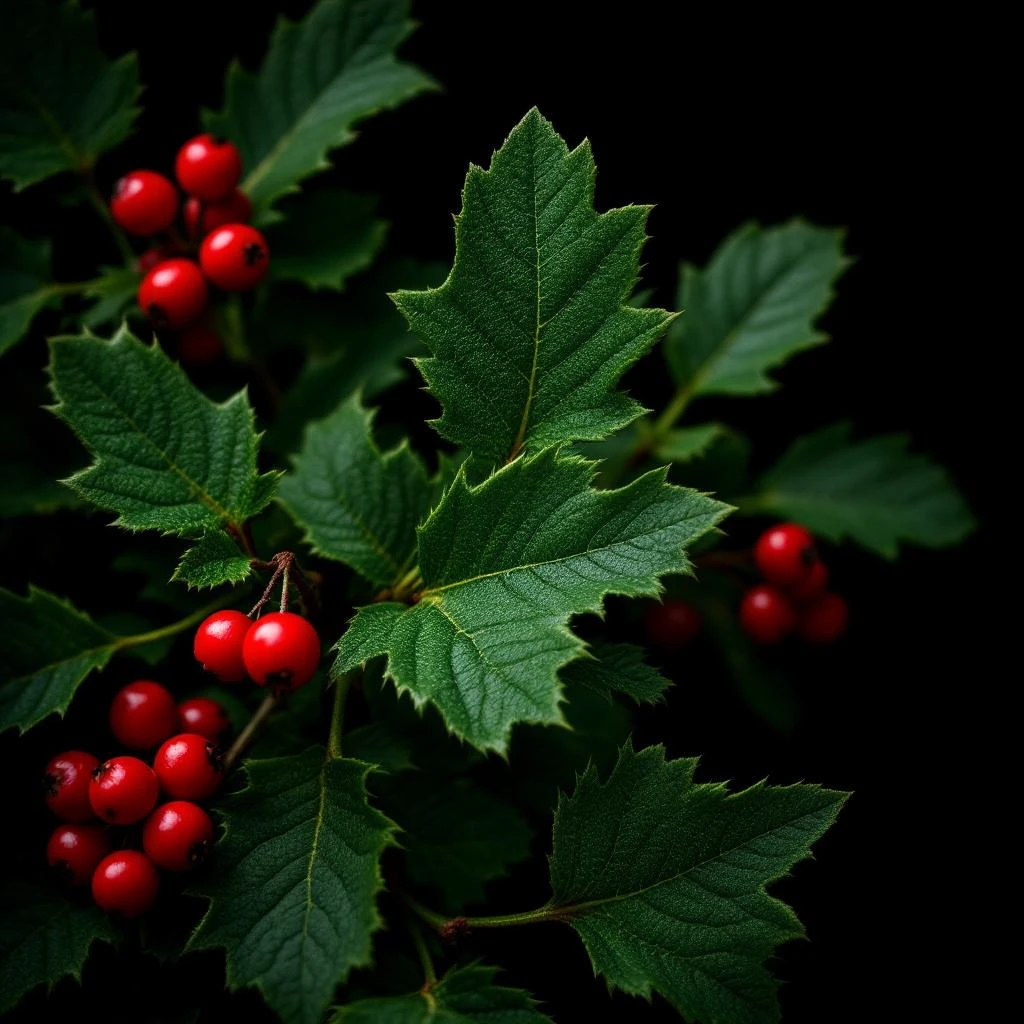
Character
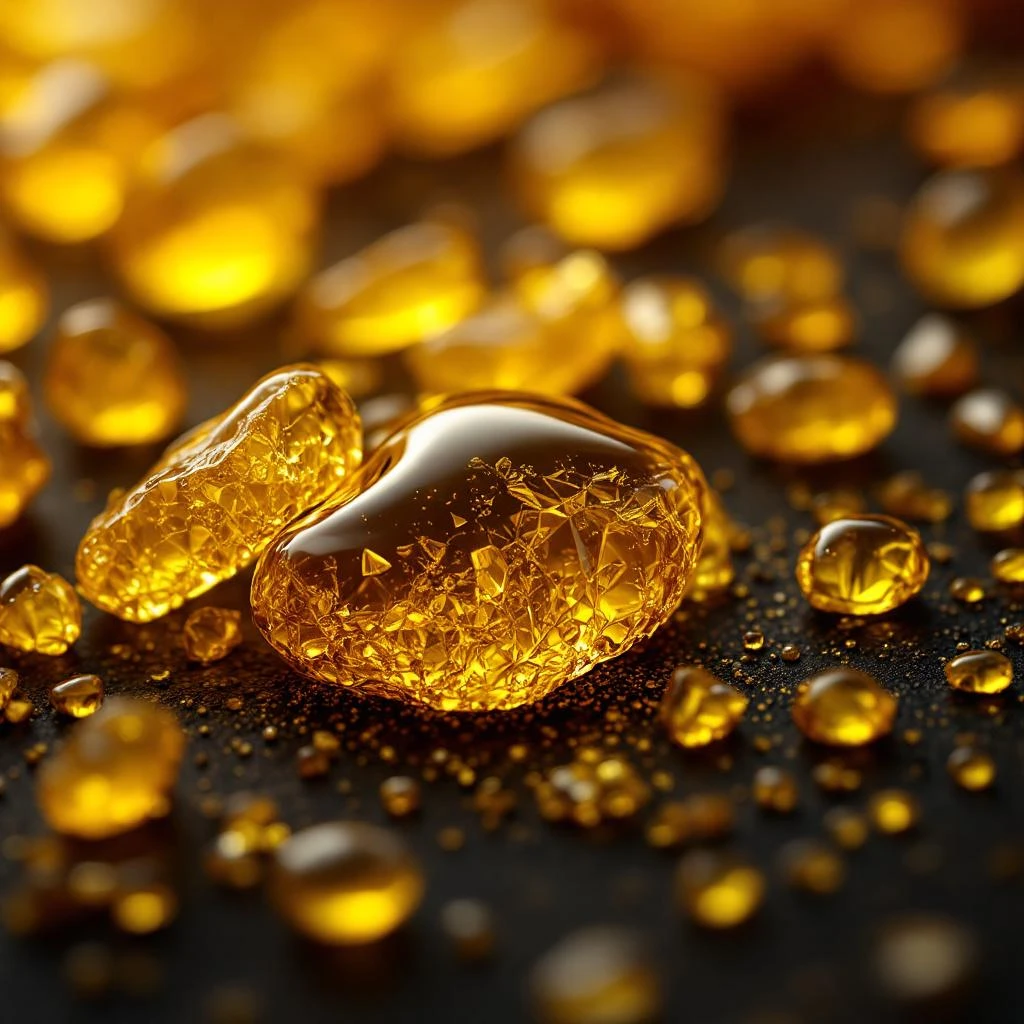
How it smells
Minty clarity from the forest floor.
Wintergreen oil contains up to 95% methyl salicylate, making it one of the most concentrated natural essential oils used in perfumery.



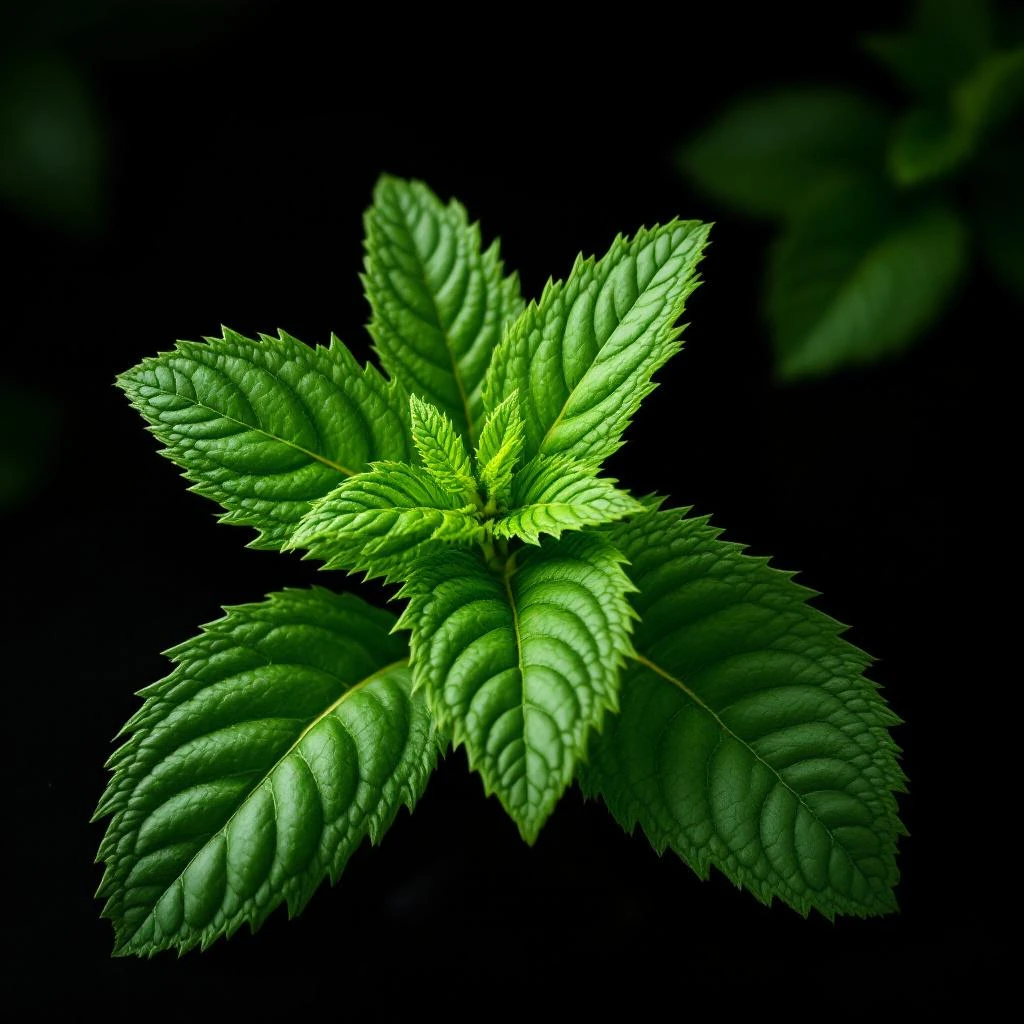


Origin
United States
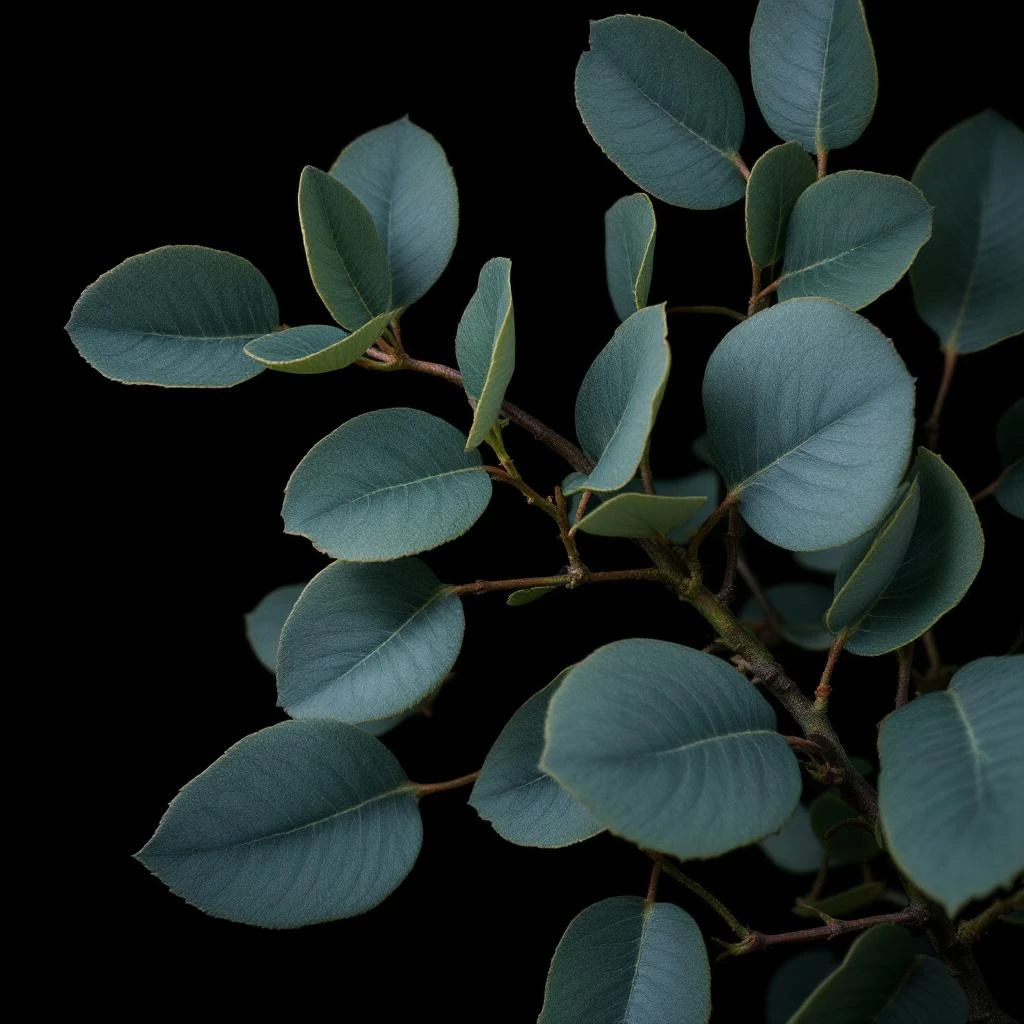
Indigenous peoples of the eastern United States chewed wintergreen leaves for their refreshing flavor and mild analgesic effect. Early European settlers adopted the practice, noting the plant's sweet scent and using it in folk remedies. By the mid‑1800s, wintergreen oil entered the perfume trade, appearing in colognes that celebrated the crispness of mountain air.
The note gained popularity in Victorian fragrances, where it balanced heavy amber and floral accords. The 20th century brought a turning point: chemists replicated methyl salicylate, allowing mass production and consistent supply. This synthetic breakthrough expanded wintergreen's role beyond niche aromatics to mainstream products, including aftershave and household cleaners.
Today, perfumers respect both the natural leaf oil for its subtle complexity and the synthetic variant for its reliability, preserving wintergreen's legacy as a bridge between tradition and modern chemistry.
Wears it best
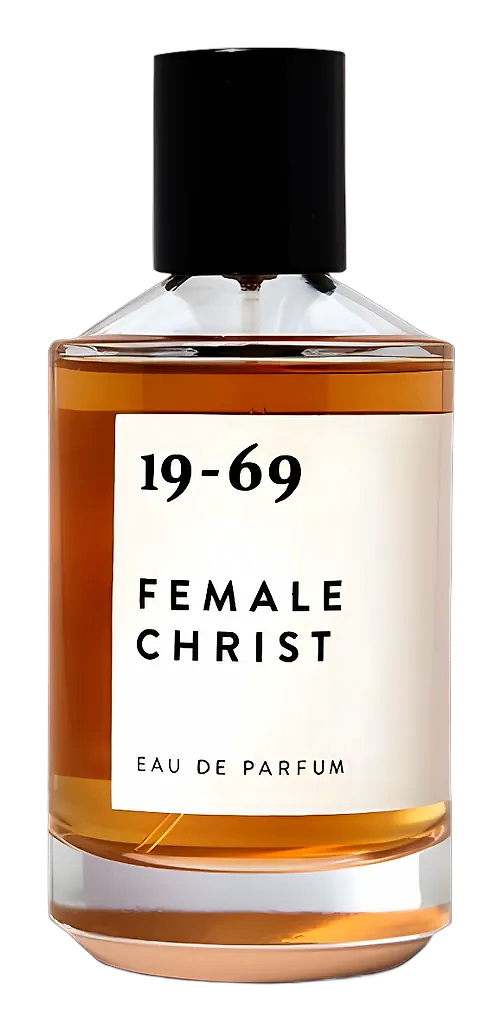
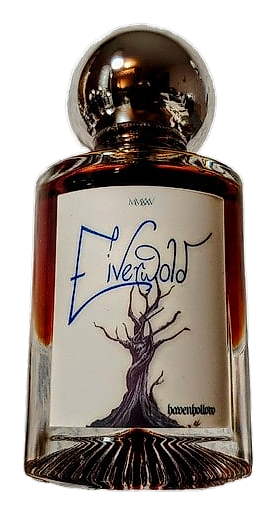
Fragrances featuring Wintergreen
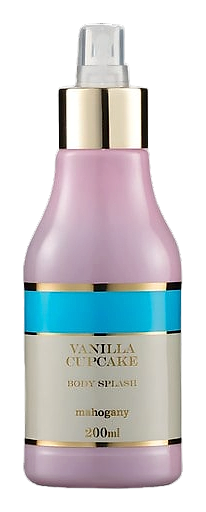
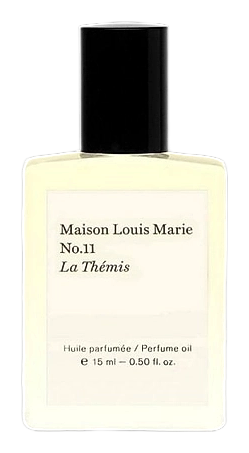
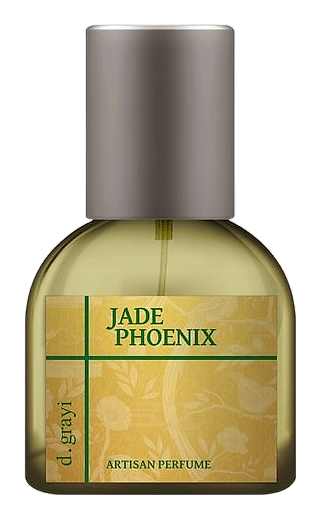
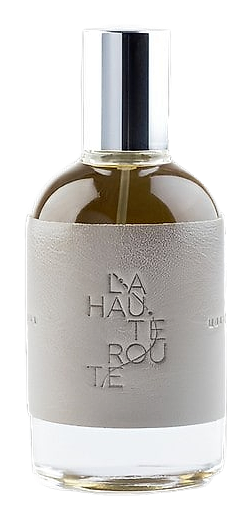
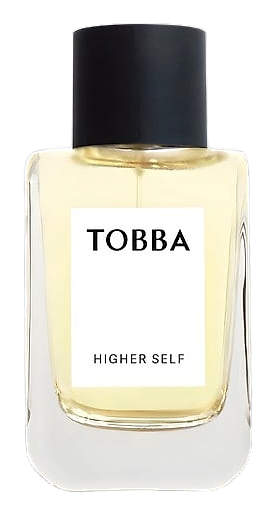
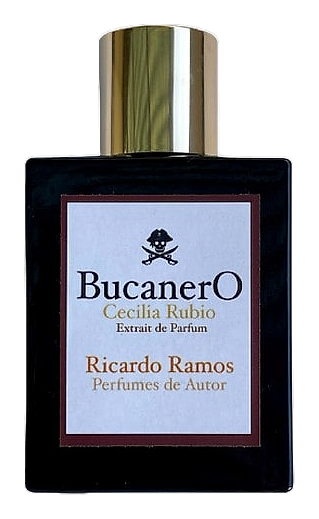
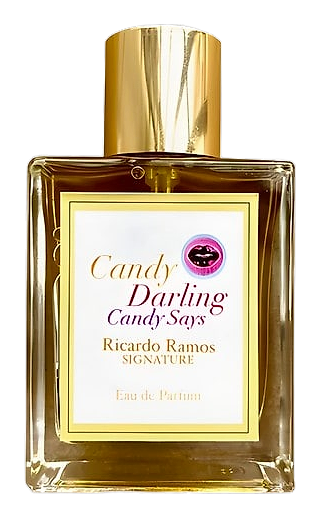
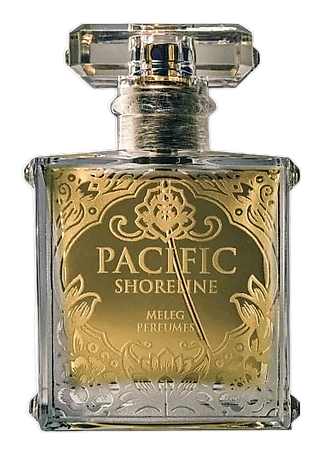
Brands
Brands known for Wintergreen
Good to know
Questions, answered
The essentials on Wintergreen in perfumery: how it smells, where it comes from, and how it behaves on skin.
What primary aroma does wintergreen impart?
Wintergreen delivers a crisp, sweet, minty scent reminiscent of fresh pine needles. The note centers on methyl salicylate, which registers a sharp, cooling profile at concentrations as low as 0.5% in a blend. Its bright character lifts citrus and woody accords, adding clarity to the composition.
Is wintergreen oil natural or synthetic?
Wintergreen oil can be sourced both naturally and synthetically. Natural extraction yields a liquid containing up to 95% methyl salicylate, while synthetic production creates the same compound from o‑cresol. In 1925, synthetic wintergreen accounted for roughly 70% of global supply, according to industry records.
Which part of the plant provides the wintergreen note?
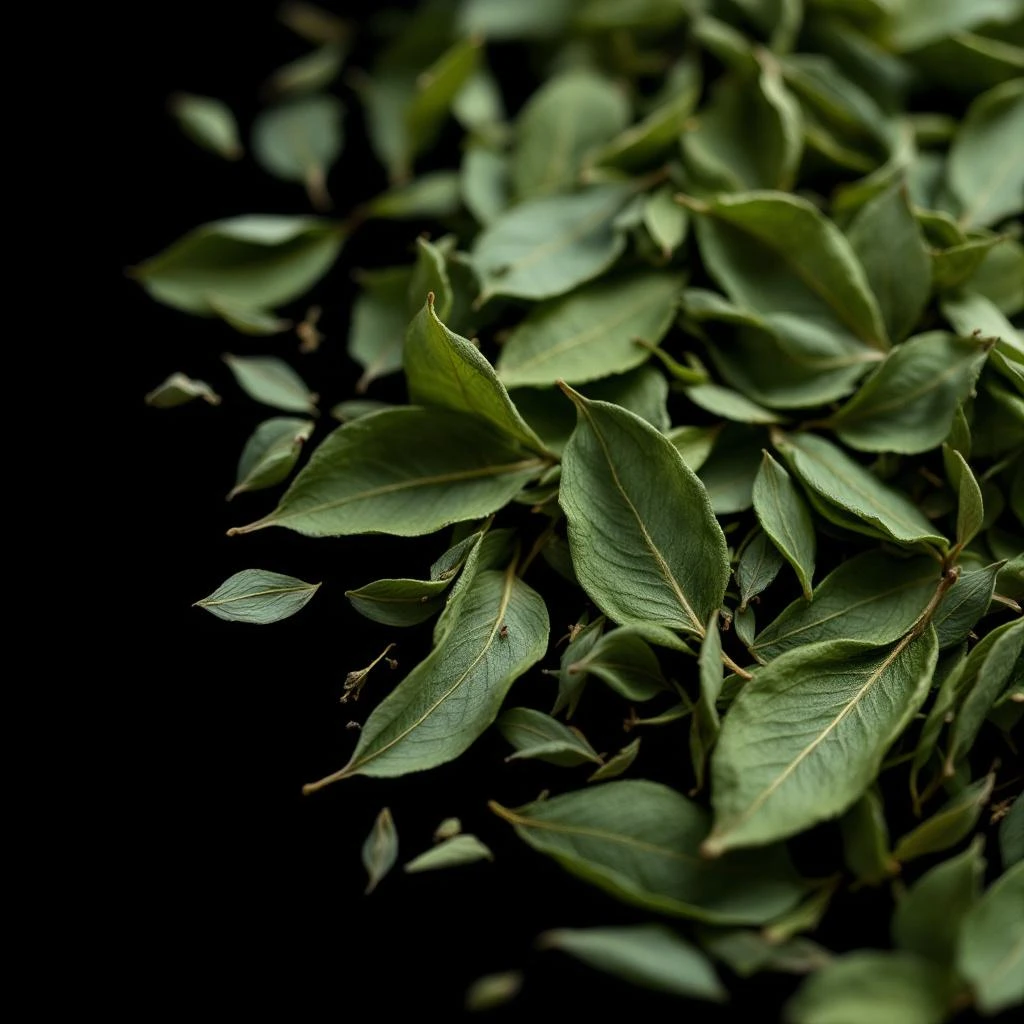
The leaves of Gaultheria procumbens supply the wintergreen note. Distillers harvest the foliage during the early growth stage, then steam‑distill it to capture volatile oils. A 2020 study measured an average oil yield of 0.48 ml per kilogram of fresh leaves.
How does wintergreen interact with other fragrance families?
Wintergreen blends well with citrus, woody, and spicy families, adding a cooling lift. Its minty edge can soften heavy amber bases and sharpen herbal accords. In a 2018 formulation test, adding 3% wintergreen reduced perceived heaviness by 15% in a bergamot‑amber blend.
What safety considerations apply to wintergreen in perfumery?
Wintergreen contains methyl salicylate, which can irritate skin at high concentrations. Regulatory guidelines limit its use to 5% in leave‑on products. A 2019 safety assessment recorded no adverse reactions when applied below this threshold in controlled trials.
Where is wintergreen primarily cultivated today?
Commercial wintergreen cultivation focuses on the Appalachian region of the United States. Farms in West Virginia and Pennsylvania supply most natural leaf oil to niche markets. In 2022, these states reported a combined harvest of 1,200 kg of fresh leaves.
When did synthetic wintergreen become widely available?
Synthetic wintergreen entered the market in the early 1920s. Dow Chemical and Monsanto began large‑scale production in 1920, labeling the product as "Artificial Oil of Wintergreen." By 1930, synthetic methyl salicylate fulfilled over half of global demand.
Can wintergreen be used in both perfume and flavor applications?
Wintergreen serves both perfume and flavor sectors due to its sweet‑mint profile. The same methyl salicylate that defines its scent also flavors chewing gum and confectionery. In 2015, the flavor industry accounted for 30% of total methyl salicylate consumption worldwide.