The Story
Why it exists.
The beginning
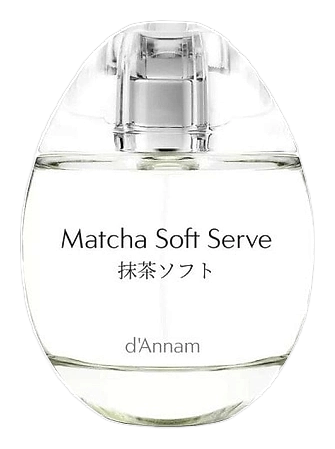
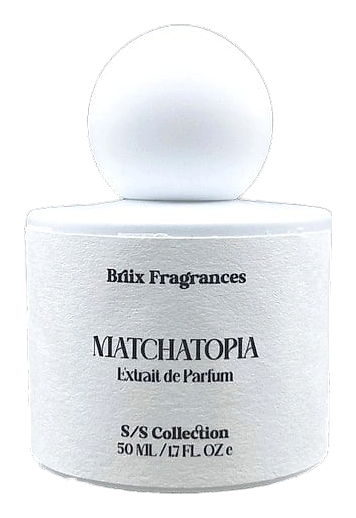
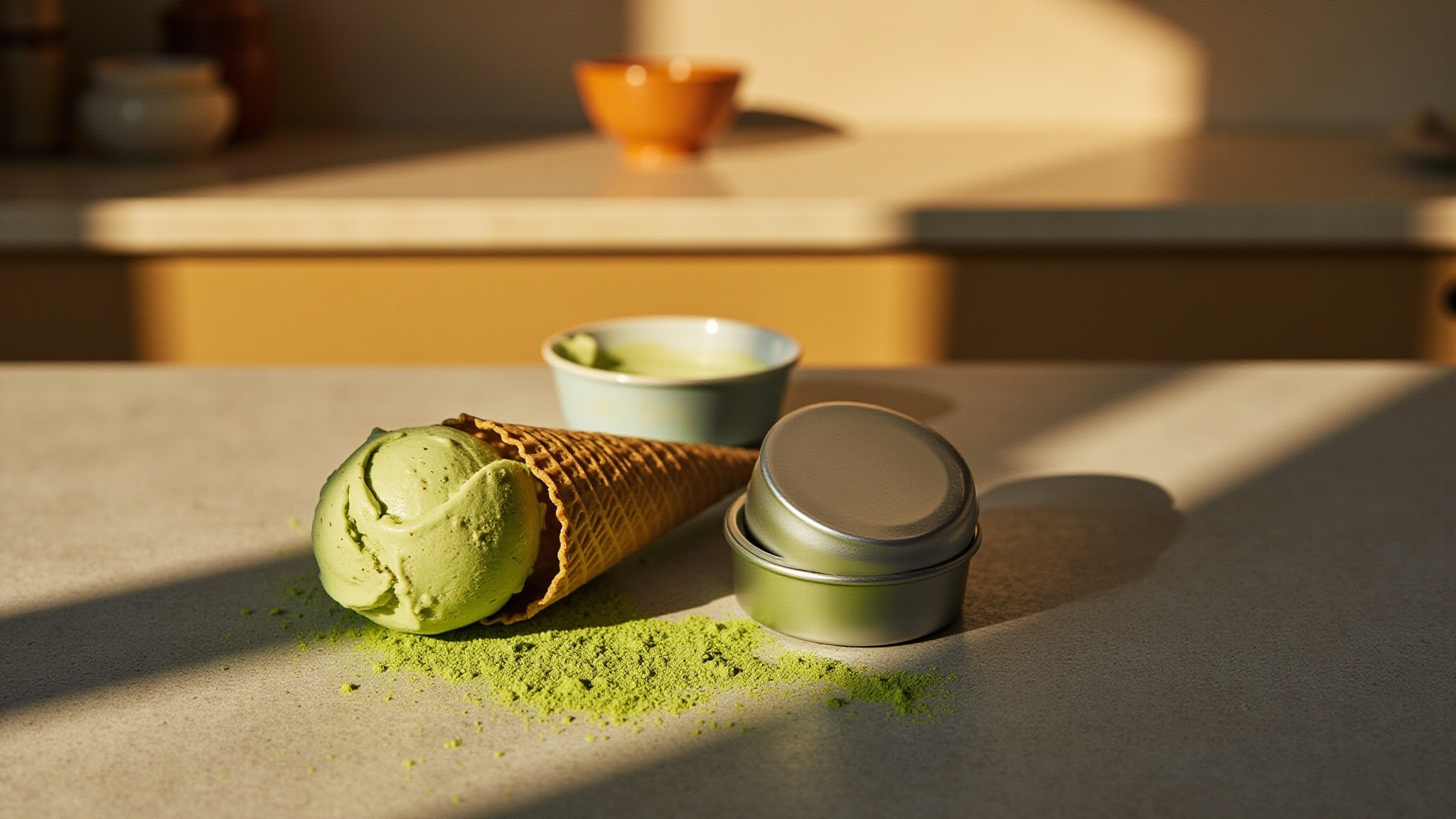
Matchatopia came from a single premise: what if matcha wasn't a wellness claim but a dessert? Sarah Park took the bitter-green reality of matcha powder and mate absolute, then softened both with vanilla ice cream and tonka bean. White musk doesn't perform, it stays close, keeps the composition intimate. It's the fragrance you'd want to smell in a Japanese kissaten on a cold afternoon, except you'd actually want to eat it.
The real interest is in the matcha's authenticity. This isn't matcha flavoring or a green accord, it smells like the actual powder, the slightly astringent bitterness that comes from quality ceremonial grade. The mate absolute adds a smoky, herbal dimension that keeps the composition from becoming pure dessert. Vanilla ice cream is the hero note, offering sweet creaminess without the density of vanilla extract or absolute. The tonka bean ties everything together with its warm, coumarin-rich sweetness. The result is a fragrance that's simultaneously comforting and slightly astringent, the texture of powdered sugar on your tongue mixed with the green bite of the tea itself.
The evolution
The opening hits like matcha powder settling on skin, that cold, slightly bitter green that doesn't apologize for itself. Within minutes, vanilla ice cream arrives, softening the edges. The mate note keeps the composition grounded with its smoky, herbal quality that prevents it from becoming purely sweet. By the mid-stage, the tonka bean emerges with its warm, sweet coumarin character, creating a dessert-like quality that feels intentional rather than accidental. The white musk in the base doesn't project loudly, it stays intimate, close to the skin, like the quiet after a shared meal. Hours later, what lingers is the matcha, still present but transformed by the sweetness it's absorbed. It's the difference between bitter and sweet, between ceremony and comfort.
Cultural impact
Matchatopia arrives as the matcha latte becomes the default order. Most matcha fragrances fall into two camps: too austere or too synthetic. Matchatopia sits in the third camp, genuinely edible, grounded by mate's smoky-herbal character, sweet enough to convert people who thought they didn't like matcha.