
Heritage
A house, in its own words
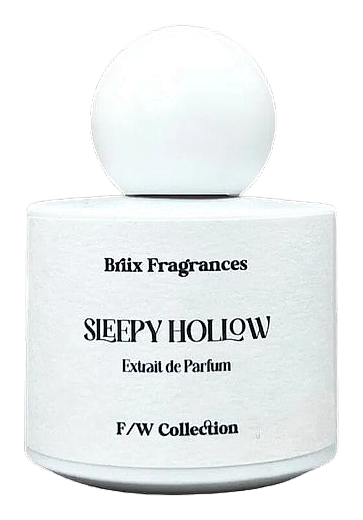
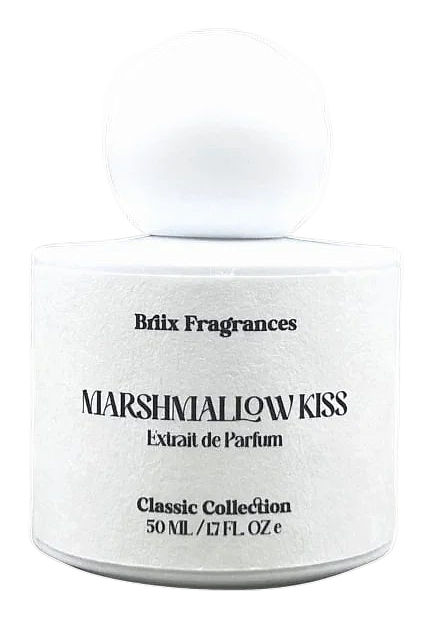
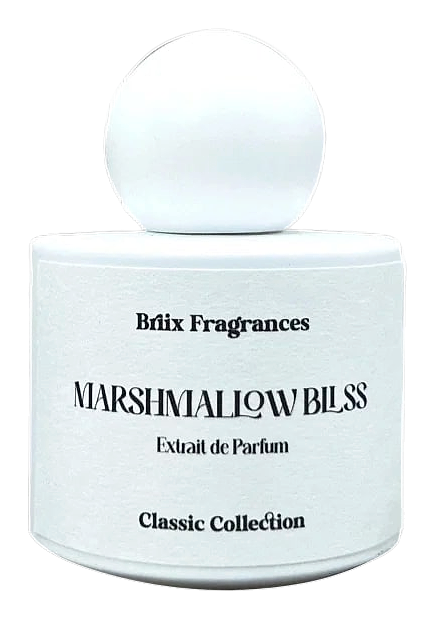
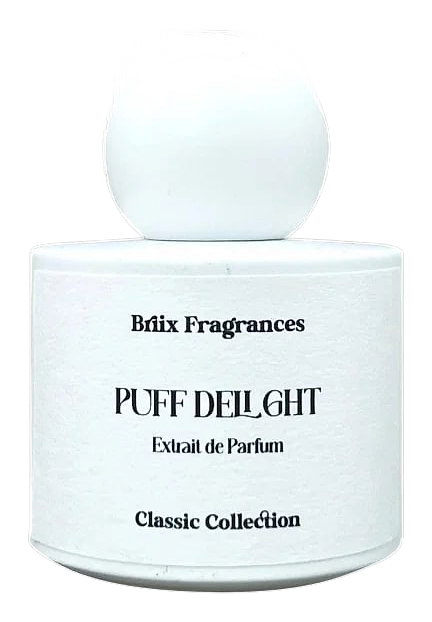
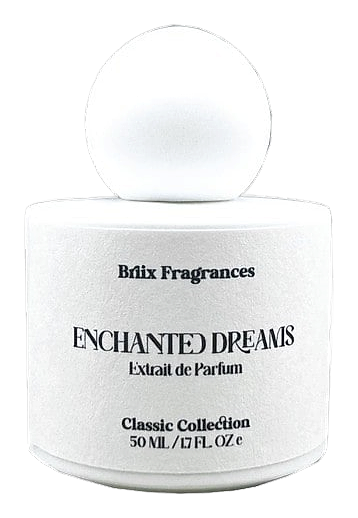
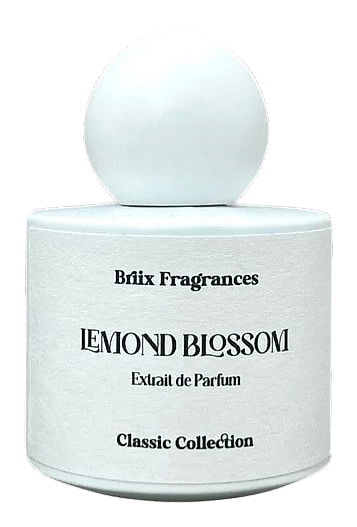
The origins of Briix Fragrances remain largely undocumented through independent sources. The brand's About page describes a personal journey into perfumery, stating the founder yearned to learn the craft and create fragrances to share with like-minded enthusiasts. This narrative suggests a grassroots beginning rather than a traditional fragrance house lineage, though specific details about when or where the brand was established have not been corroborated externally. The absence of historical documentation means the brand does not position itself within the centuries-old traditions of houses like Houbigant (est. 1775) or Floris London. Instead, Briix Fragrances appears to function as a modern indie house operating within the contemporary direct-to-consumer fragrance landscape. The brand's rapid release schedule, with all known fragrances dated to 2025, indicates a production model built around trend-responsive creation rather than slow, deliberate house expansion. Without archival records or third-party coverage detailing milestones, the heritage of Briix Fragrances is best understood as an emerging presence in niche perfumery rather than an established house with documented history. Briix Fragrances appears to operate on a philosophy of accessibility and personal connection. The stated motivation for founding the house centers on sharing fragrances with people of shared interests, suggesting a community-oriented rather than exclusivity-driven approach. The brand's FAQ explicitly acknowledges its use of both synthetics and naturals, framing this combination as a deliberate choice for achieving certain scent profiles. This transparent stance on ingredients reflects a modern approach to perfumery education, treating customers as informed participants rather than passive consumers. The fragrance names themselves suggest a philosophy of whimsy and comfort, with titles like Marshmallow Kiss, Puff Delight, and Sleepy Hollow evoking sensory indulgence and everyday pleasure. Rather than positioning fragrances as artistic statements or luxury investments, the house seems to treat scent as an accessible form of self-expression. The absence of named perfumers attributed to the releases suggests a democratized creation model where the brand identity takes precedence over individual nose recognition.