The Story
Why it exists.
The beginning
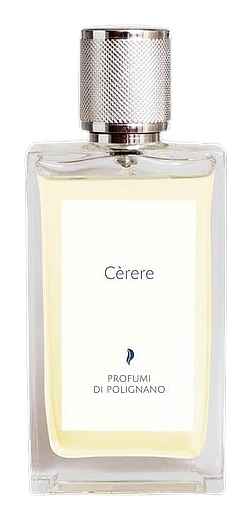
Cèrere takes its name from Ceres, the Roman goddess of agriculture and fertility, the one who presides over grain, harvest, and the fertility of the earth. For Arturetto Landi, the choice was deliberate. Profumi di Polignano builds its collection around the sensory identity of a specific place, and here the place is the Apulian interior: sun-flattened fields of grain, the warmth of harvested wheat, the quiet abundance of earth that gives. This fragrance is named for that abundance. Not the sea, not the limestone cliffs, the field.
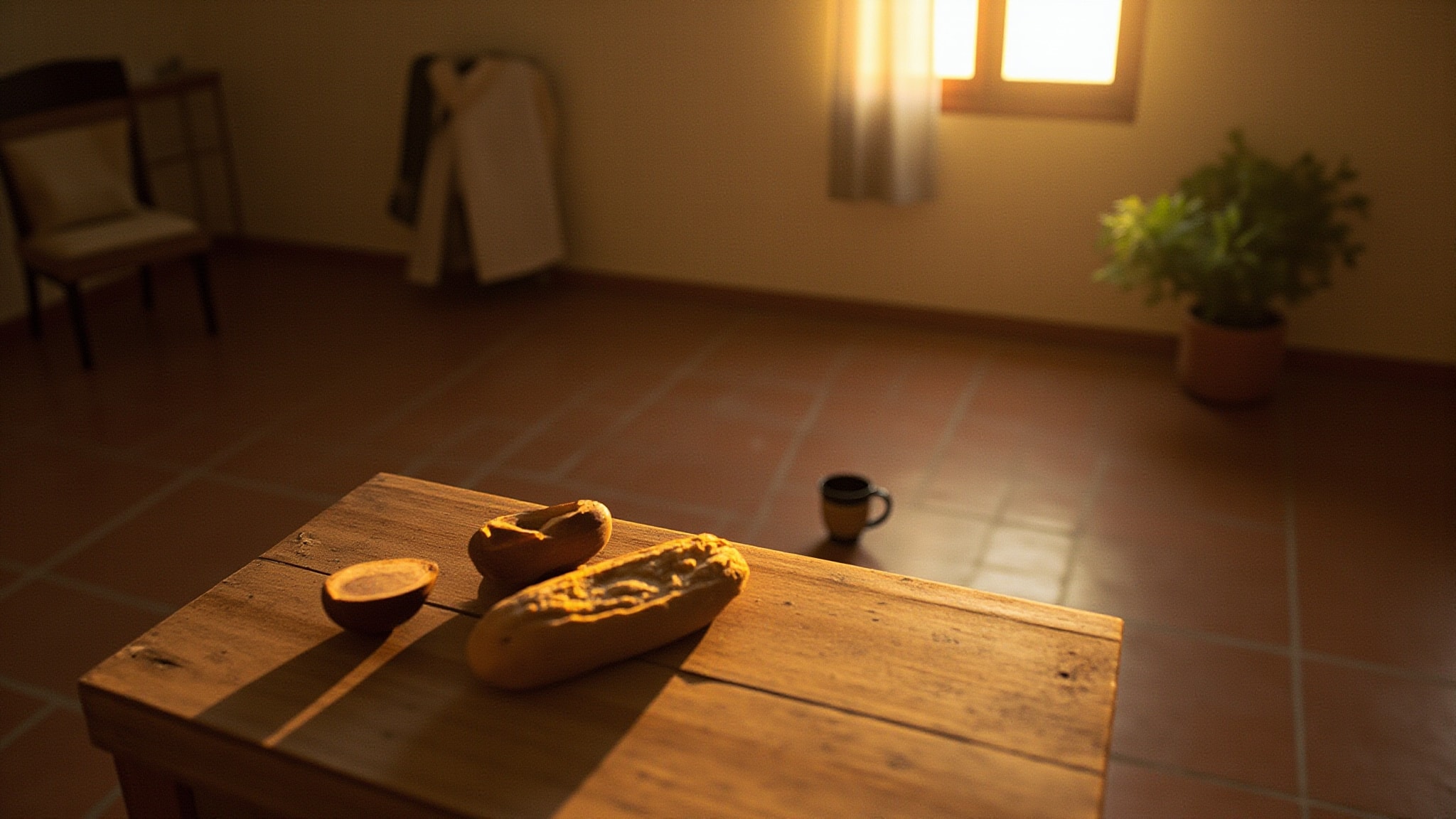
What makes Cèrere work is the collision of peanut with cereal. Two notes that rarely anchor a composition, placed at the center instead of the edges. Heliotrope arrives shortly after, threading a powdery, almost cherry-blossom softness through the grain, like sunlight through a kitchen window. The vanilla and tonka in the base don't so much sweeten the composition as they keep it honest. Warm. Edible. Grounded. Nothing here is trying to be anything other than what it is: the smell of something good, baked.
The evolution
The opening announces itself quickly, bergamot and mandarin orange at the top, but already beneath them the peanut arrives. It's roasted, almost savory, not the cloying nuttiness of praline but something closer to the real thing. Cinnamon adds a brief warmth, a flicker of spice, before the heart takes over. The cereals and almond assert themselves over the next hour, and this is where Cèrere earns its name, the smell of grain, of flour, of something baking. Magnolia and heliotrope soften the edges without diluting them. By the third hour, the drydown settles into vanilla and sandalwood, with vetiver and patchouli providing a clean, slightly earthy finish that stays close to the skin. On fabric, the cereals outlast everything else, a faint trace of warm grain that lingers into the next morning.
Cultural impact
Cèrere stands as one of the more provocative entries in modern niche perfumery, challenging wearers to reconsider what belongs in a fragrance. Its peanut and cereal notes, typically confined to food contexts, appear here as deliberate artistic choices that ask whether edible associations can coexist with elegance. The 2018 launch coincided with Profumi di Polignano's debut collection, which positioned the house as a storyteller of Apulian identity rather than a conventional fragrance brand. Rather than relying on the region's typical citrus or olive notes, Landi chose ingredients that speak to the grain fields and food markets of the Italian south. This approach resonated with a niche audience seeking fragrances that push boundaries rather than confirm them.