Cereal
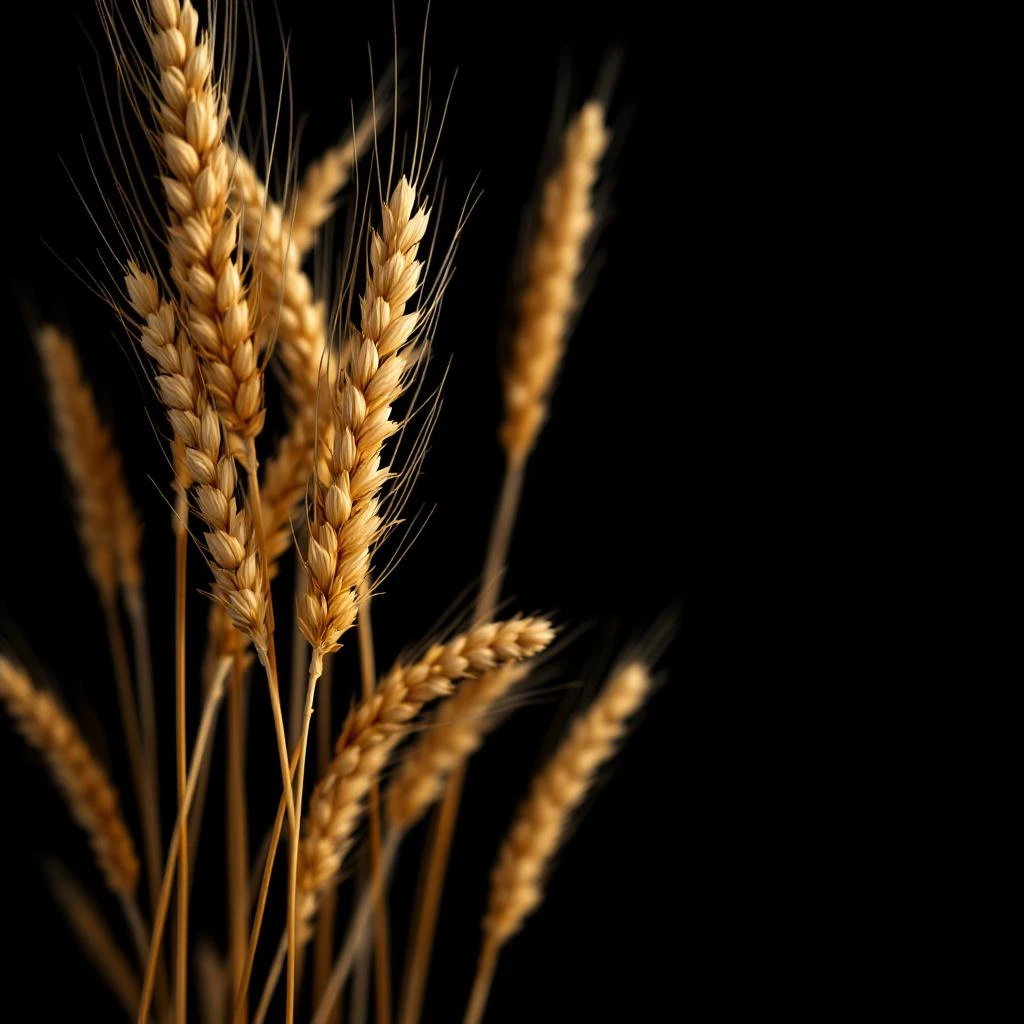
Cereal notes capture the warm, comforting aroma of fresh grain, toasted bread, and malted sweetness—a familiar scent that evokes harvests and home kitchens. In perfumery, these rich, edible accents add depth and grounding warmth to compositions.
Character
How it smells
The comforting aroma of fresh grain and toasted bread
The bread-like note in basmati rice comes from the same molecule, 2-acetyl-1-pyrroline, that perfumers use to create cereal accords.









Origin
Switzerland
Cereal and grain notes entered perfumery as part of the larger movement toward edible, comfort-oriented fragrances in the late 20th century. Before synthetic chemistry made these notes accessible, perfumers relied on natural materials like hay absolute or cumin to suggest harvest and grain.
The 1970s and 1980s saw a rise in oriented perfumery that embraced warm, familiar kitchen scents. Perfumers discovered that synthetic 2-acetyl-1-pyrroline, first studied in the food industry for its role in aroma chemistry, could accurately reproduce the smell of fresh-baked bread.
This breakthrough allowed perfumers to incorporate genuine cereal character into fragrances, moving beyond simple hay or grain accords to more precise representations of grain, toast, and malt. Today cereal notes appear across masculine and gender-neutral fragrances, valued for their approachable warmth and evocation of hearth and harvest.
Wears it best
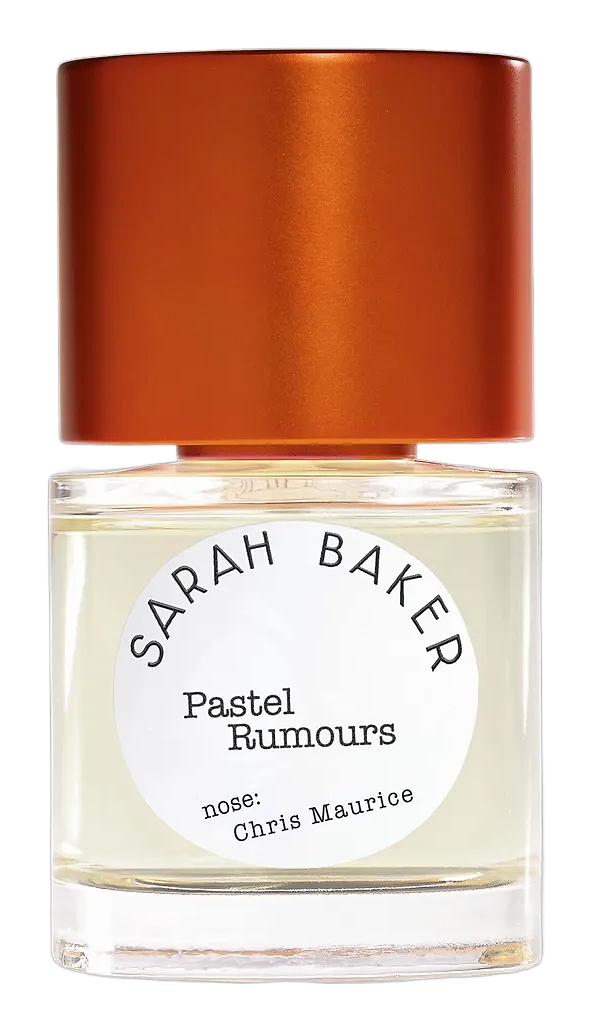
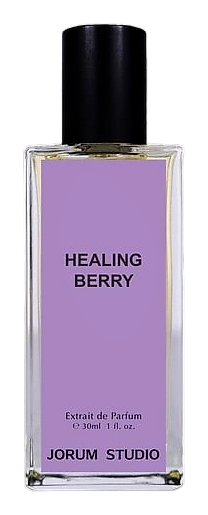
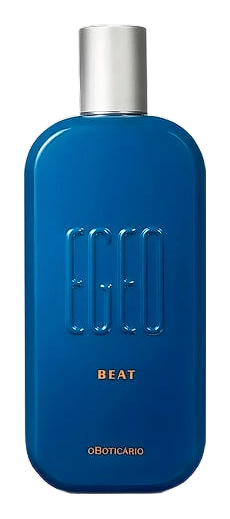
Fragrances featuring Cereal
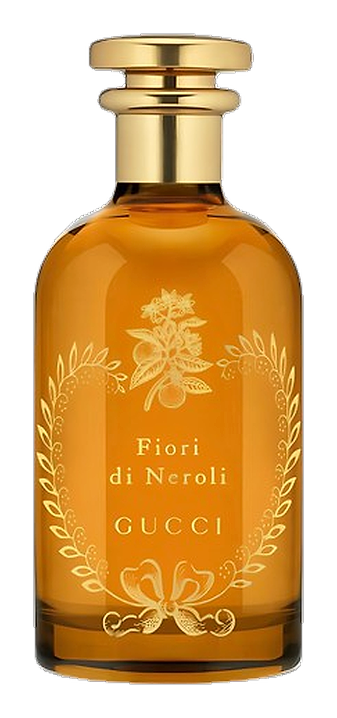


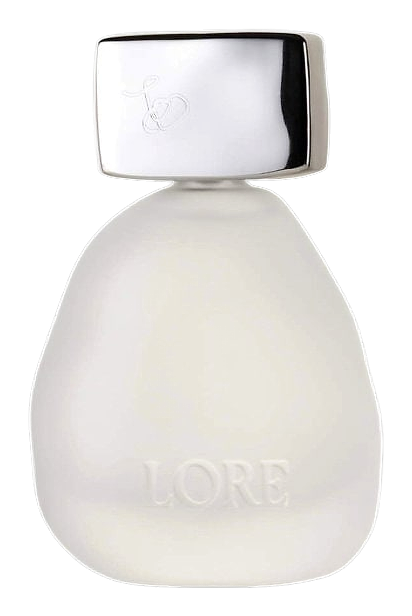
Brands
Brands known for Cereal
Good to know
Questions, answered
The essentials on Cereal in perfumery: how it smells, where it comes from, and how it behaves on skin.
What gives cereal notes their bread-like aroma?
2-Acetyl-1-pyrroline (2-AP) creates the characteristic bread and crust scent in cereal notes. This molecule occurs naturally in bread crust, cooked rice, and many foods.
Are cereal notes natural or synthetic?
Cereal notes are primarily synthetic, produced through organic chemistry. Key molecules like 2-AP, furaneol, and maltol are chemically synthesized or produced via biotech processes.
What kind of fragrances use cereal notes?
Cereal notes appear in warm, oriental, and gourmand fragrances. They add comforting depth to masculine and gender-neutral perfumes, often paired with vanilla, amber, or woody bases.
Can cereal notes smell like different grains?
Yes. Chemists can create variations for rice, wheat, barley, oats, and corn by adjusting molecular ratios. Each variation has distinct character within the grain family.
Is cereal the same as hay or grass notes?
No. Hay and grass notes suggest fresh vegetation and dried grass. Cereal notes specifically evoke cooked grains, bread, malt, and toasted grain character.
How long have cereal notes been used in perfumery?
Since the late 1970s. The synthesis of 2-acetyl-1-pyrroline in the food industry enabled perfumers to reproduce bread-like aromas accurately in fragrance.
Do cereal notes trigger food associations?
Yes. Cereal notes leverage universally familiar smells like fresh bread, toast, and cooked grain. This creates an immediate emotional connection for wearers.
Are cereal notes safe for skin use?
When produced for perfumery, cereal aromatic chemicals meet IFRA safety standards. Concentrations in final fragrances remain well within approved limits for dermal use.