The Story
Why it exists.
The beginning
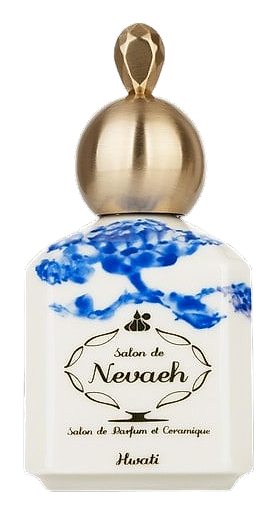
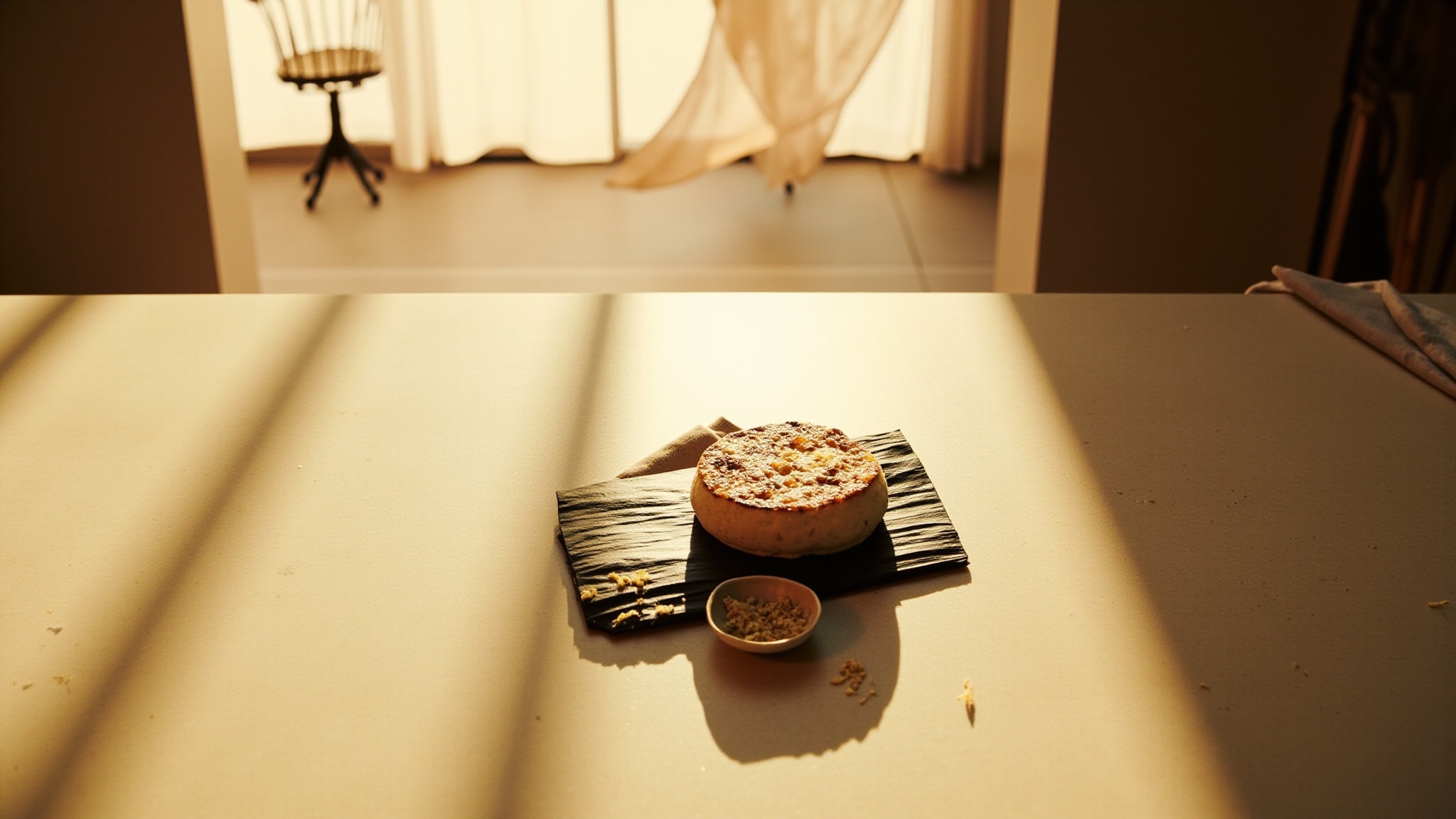
The name Hwati comes from the Korean hwati, a traditional brazier used to keep embers. The name carries something of that function forward: small, steady warmth without ceremony. Salon de Nevaeh works with Korean syllables that hold meaning in the original language, finding depth in the overlooked and everyday. The fragrance takes this approach to rice. Not the coconut sunscreen reinterpretation that fills most grain fragrances. Rice here means something else: the grain in its starchy, uncooked sweetness, then the toasted notes that arrive as it begins to darken, then the burnt layer itself. The nurungji. The caramelized, almost savory depth that develops when rice sits too long at the bottom of a pot. Hwati moves through these stages.
What makes this composition work is the honesty of its reference. Sungnyung, scorched rice tea, and nurungji, the crisped rice layer at the pot's base, are not abstract olfactory concepts. They are specific, reproducible, tasted experiences. The fragrance translates that specificity without turning it into a food stunt. Toasted rice functions here as a building block rather than a gimmick. It provides the structural sweet-smoky axis that vanilla and malt then complicate. The result is a fragrance that smells like something that actually exists in the world, rather than a description of what it might be.
The evolution
Hwati opens with smoke and toasted grain, not aggressive, not ashy, more like the smell of rice passing the point of golden and arriving at something darker. The char reads as sweetness first. Smoke second. This phase lasts longer than expected, maybe because the grain accord is doing real work instead of performing. The vanilla arrives quietly. It doesn't crash the opening, it waits until the smoke has settled into the skin, then slides in alongside the tea. This is the heart: nurungji and baked vanilla, the lactonic warmth of rice taken past its intended moment and finding something richer in the accident. By drydown, the malt emerges. Puffed rice cake. Soft musk. The whole thing softens and becomes intimate, sitting close to the skin rather than announcing itself across a room. The evolution moves from kitchen to memory, sharp, then warm, then the kind of quiet that stays.
Cultural impact
The name Hwati draws from the Korean hwati brazier, a small vessel used to keep embers alive. It carries that sense of sustained, quiet warmth. The fragrance builds on Korean culinary specificity: the actual textures of sungnyung, nurungji, the hwati brazier, embedded in the scent itself rather than mentioned outright. These are sensory elements contained in the composition, offered as something to discover rather than explained. Hwati functions as more than a reference. The fragrance stands on its own as an olfactory experience, built around rice in its fullest expression.