The Story
Why it exists.
The beginning
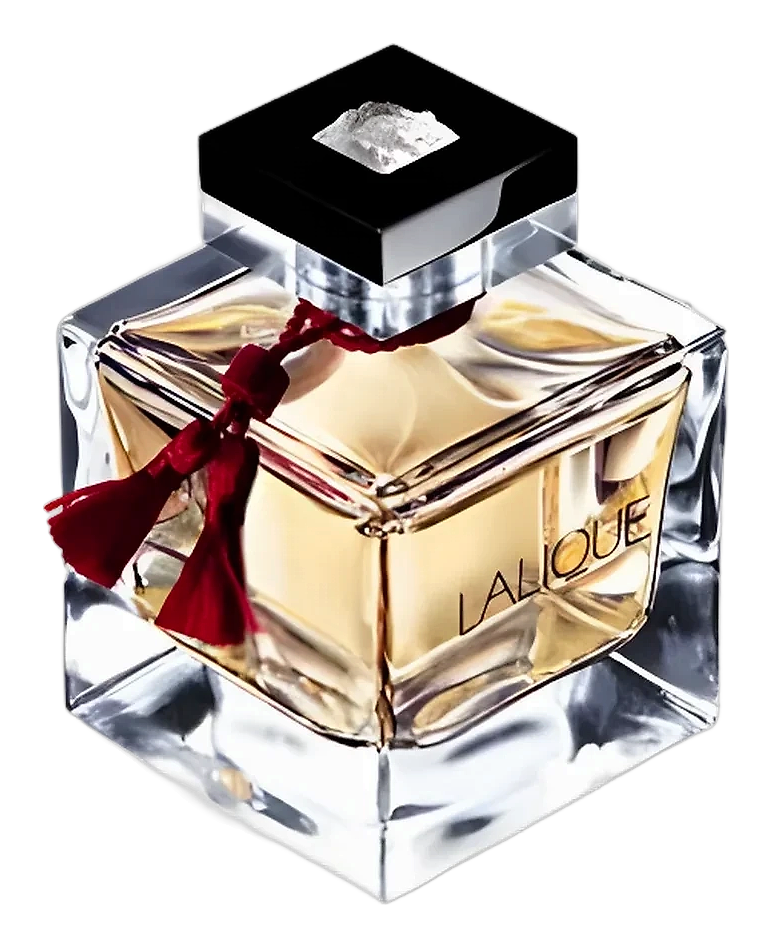
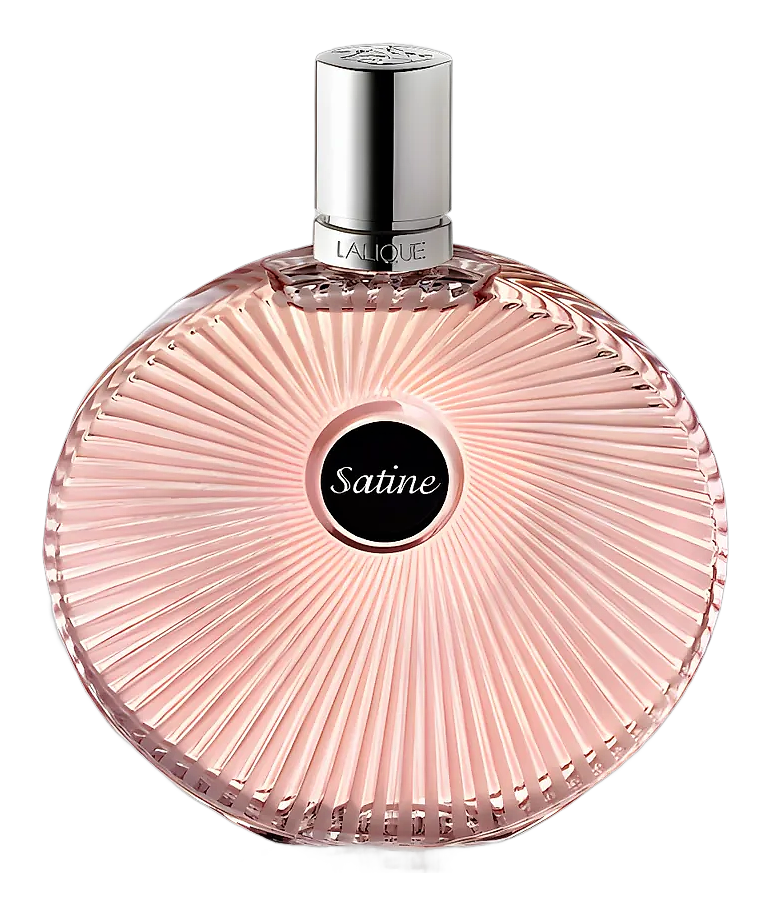
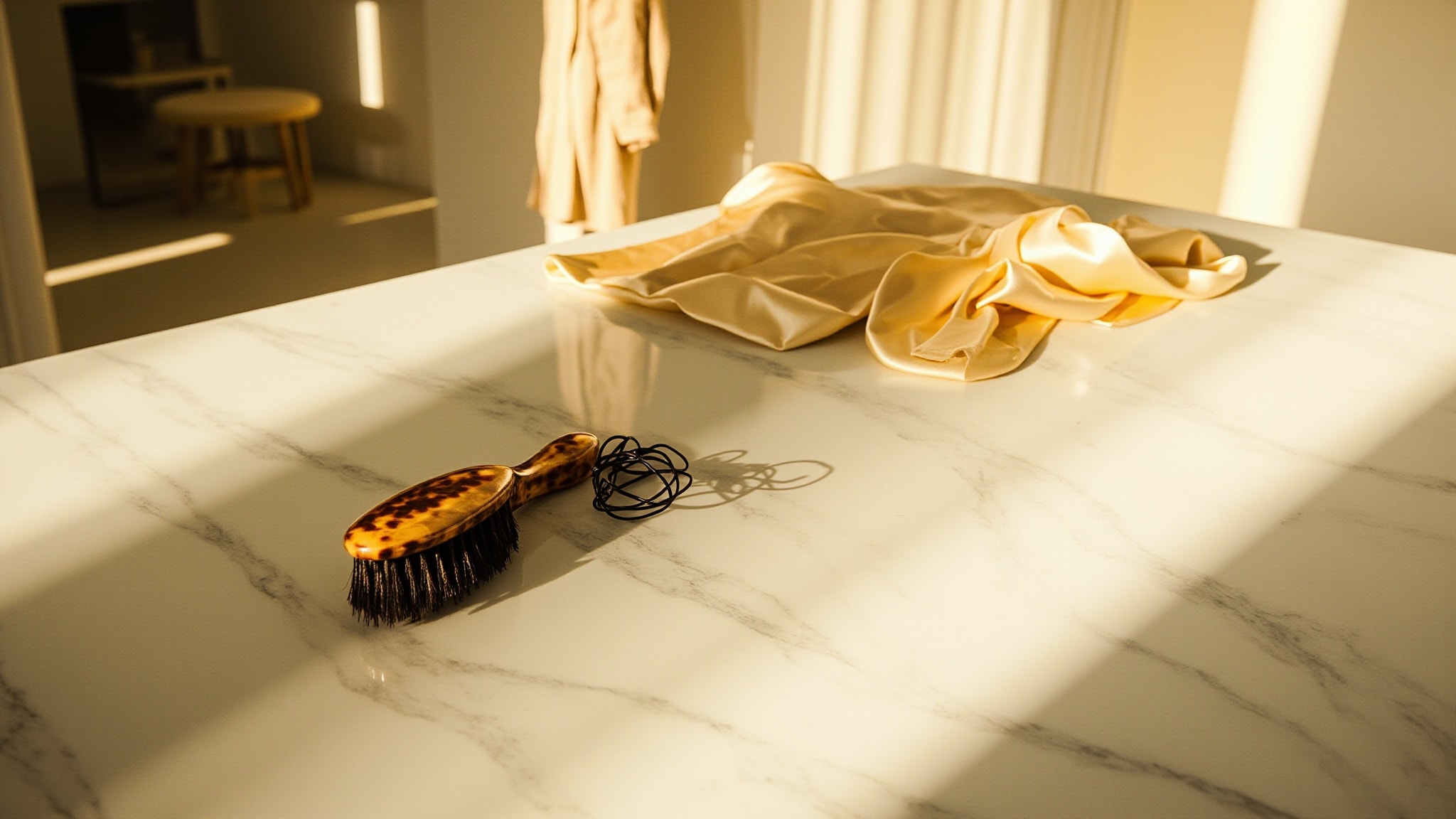
The name says everything. Satine is the French word for satin, that fabric you recognize by feel alone. Smooth, sensuous, quietly indulgent. Lalique didn't reach for a place or a person here. The house reached for a texture, a sensation, and handed it to perfumer Nathalie Lorson with a simple brief: make it smell like wearing something beautiful. Released in 2013, Satine arrived in a Lalique collection known for sculptural bottles and restrained elegance. This fragrance didn't need to announce itself. It needed to settle into the air the way good fabric settles into skin, present without effort, warm without demand. The name carried the concept; Lorson carried the execution.
What makes Satine's structure interesting is how it refuses the expected oriental trajectory. A warmer heart of tonka and vanilla could have gone heavy, creamy, cloying. Instead, the pink pepper keeps things with a slight brightness, a spice that opens rather than burns. The result is a fragrance that feels volumetric without ever pushing. Powdery, yes. But powdery the way talc smells on warm skin, not the way a powder room smells.
The evolution
The opening arrives soft. Heliotrope's characteristic almond-powder sweetness blends with gardenia's creamy white floral and jasmine's warm indolic edge. No sharp citrus, no bitter top, just a gentle entrance that announces itself without knocking. Within the first hour, the tonka bean takes over. Its vanillic warmth starts to surface through the florals, and the pink pepper begins its quiet work, a spice that flickers rather than burns. The jasmine lingers, but the composition shifts toward something warmer, rounder, more intimate. By the second hour, the florals have receded and the drydown is in full effect. Sandalwood brings its characteristic creaminess, patchouli adds a subtle earthy counterweight, and vetiver introduces a clean, slightly green finish that keeps the warmth from going flat. The sillage settles into something close to the skin, present if someone leans in, invisible to the rest of the room. Six to eight hours in, what remains is a clean, warm skin scent. Powdery without being dusty. Woody without being sharp.
Cultural impact
Satine arrived in 2013 during a cultural moment when the powdery vanilla category was undergoing a quiet renaissance. After years of dominant florals and citrus-forward freshness, there was a growing appetite for warm, soft fragrances that felt intimate rather than projective. Satine fit that moment without shouting it. Its moderate sillage and close-to-skin wear made it the kind of fragrance you chose for yourself, or for someone standing close enough to notice.