Rice Cake
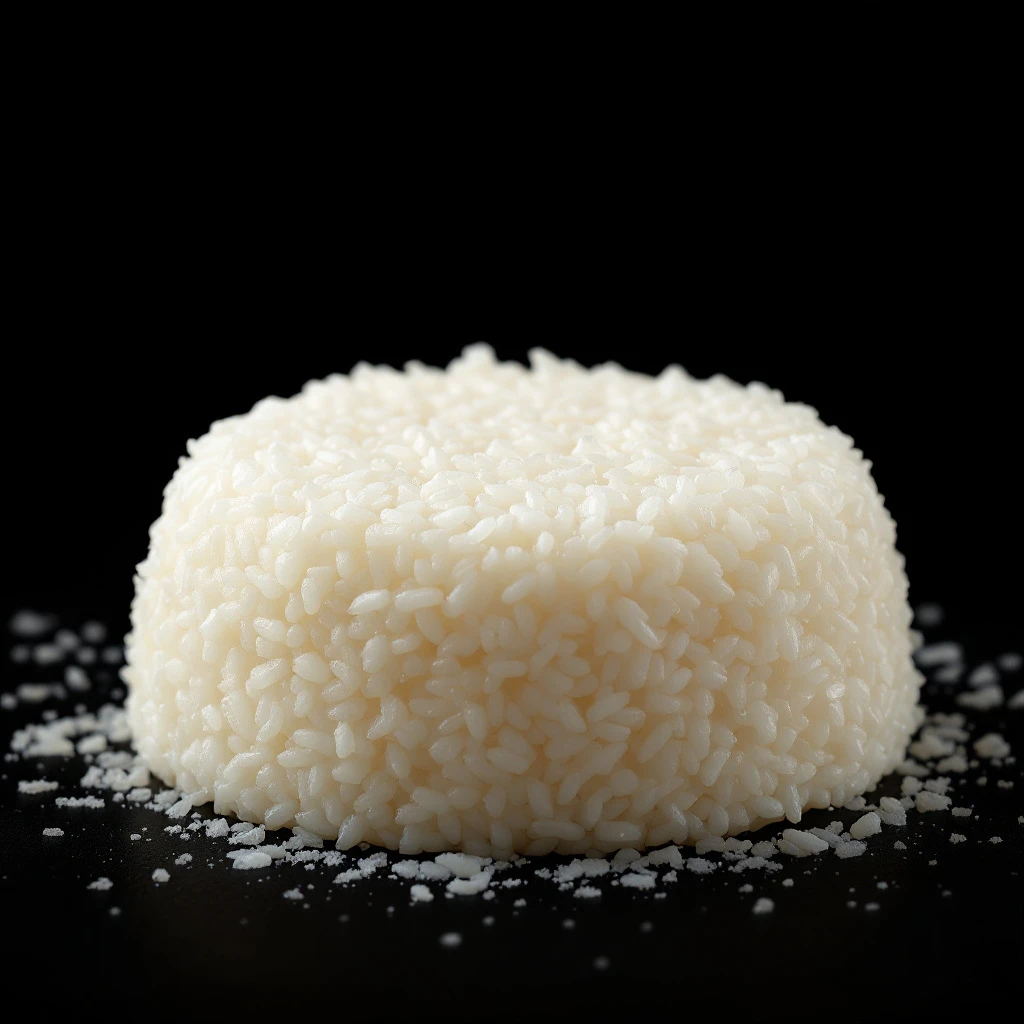
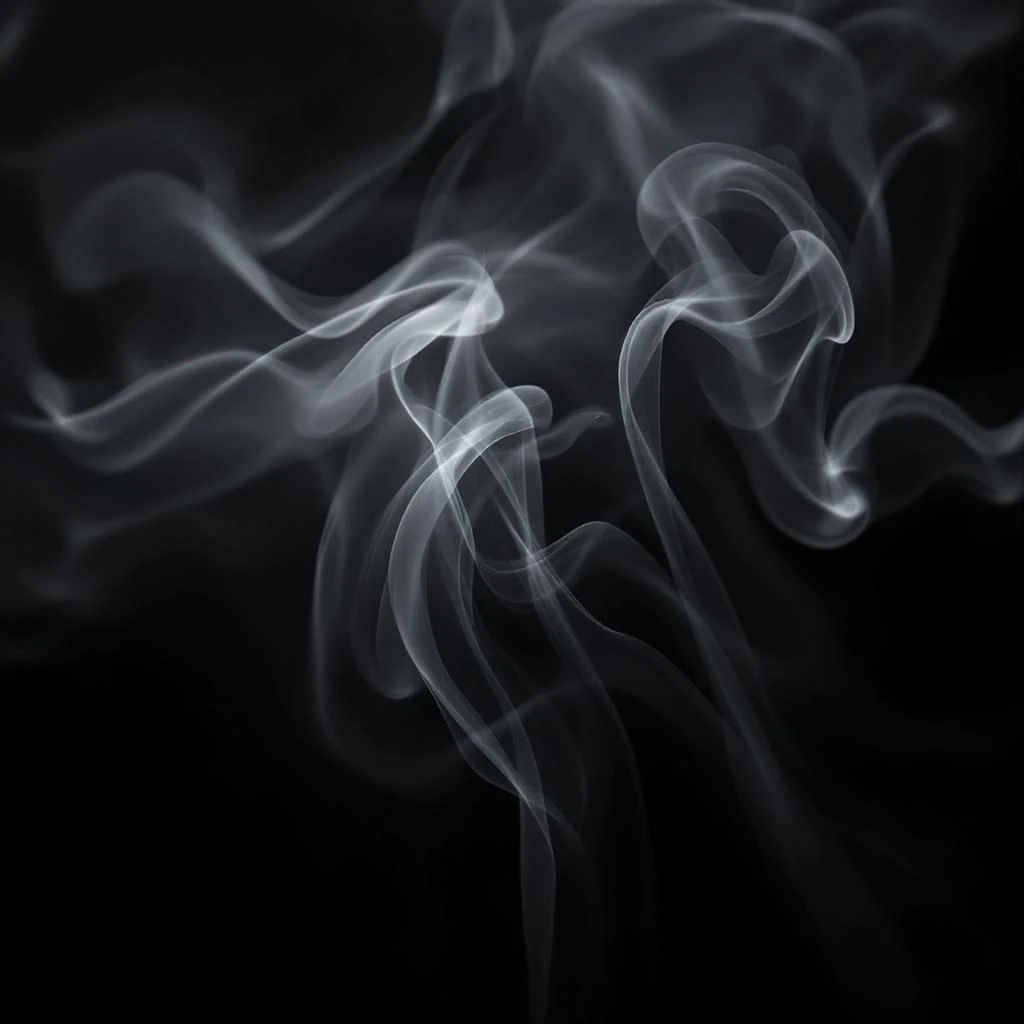
The rice cake note captures the quiet scent of steamed white rice: soft, warm, and powdery with a gentle sweetness that feels like morning ritual distilled into scent.
Character
How it smells
Soft steam, warm comfort, edible warmth.
The same compound, 2-acetyl-1-pyrroline (2-AP), that gives jasmine rice its aroma also scents fresh bread, butter, and even certain crustaceans.



Origin
China
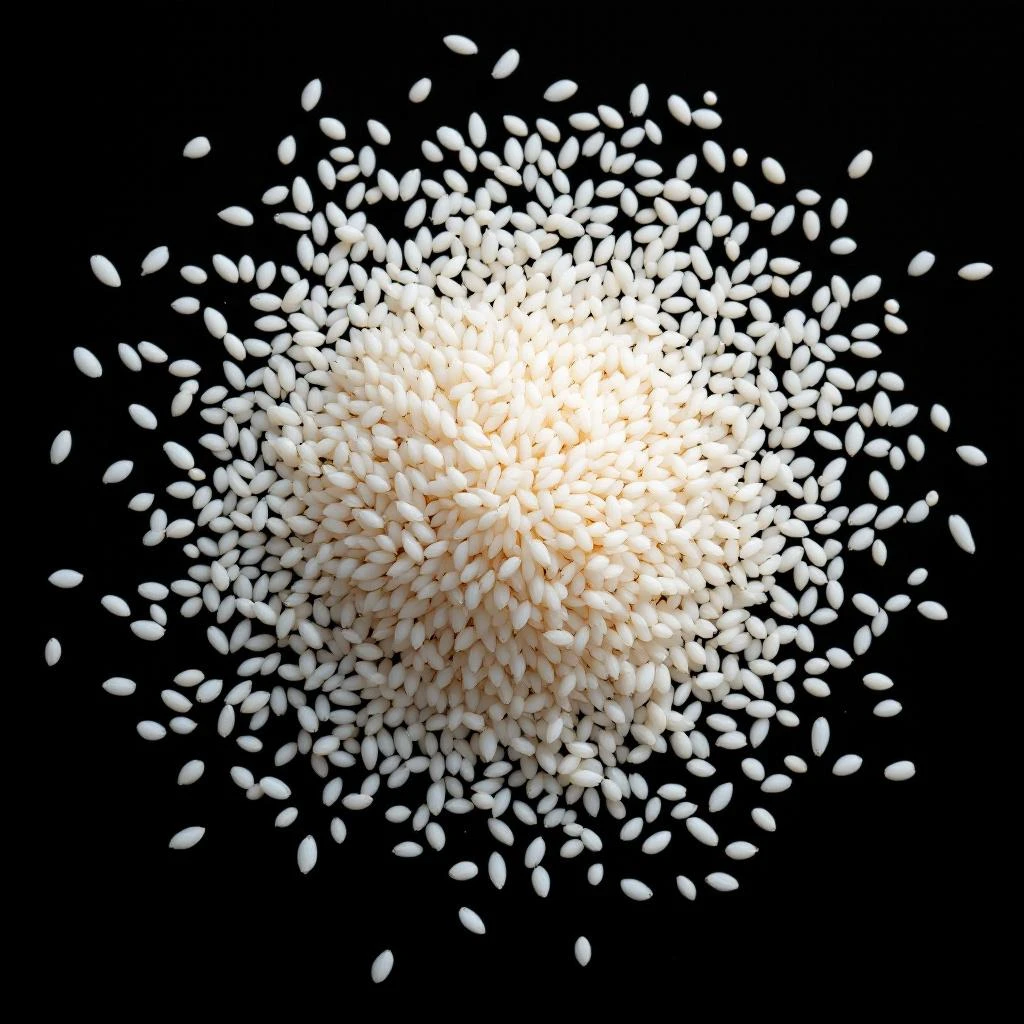
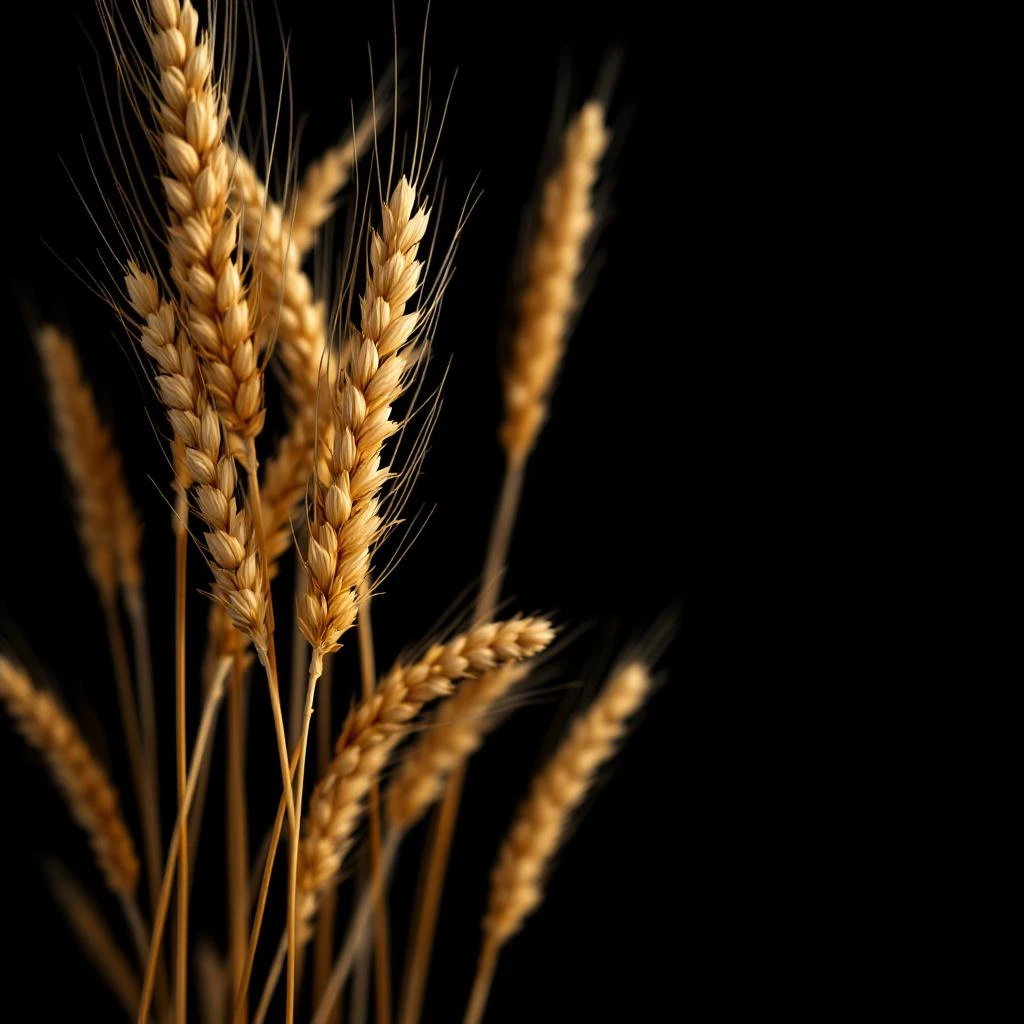
Rice cultivation began in China's Yangtze River Valley around 7000 BCE, making it one of humanity's oldest domesticated crops. Over millennia, it spread across East Asia and beyond, becoming a dietary cornerstone and a symbol in religious and cultural rituals. In Japan, rice cakes called mochi hold profound ceremonial significance during New Year celebrations. In Korea, tteok marked life transitions from birth to death.
The aromatic compound 2-acetyl-1-pyrroline was identified and synthesized in the 20th century, allowing perfumers to incorporate rice's quiet sophistication into fragrance. Japanese perfumers, drawn to rice's cultural weight, first integrated rice accords into modern scents during the 1980s and 1990s. The note appeals to Western markets as well, representing simplicity, purity, and the comfort of daily ritual. Rice cake now functions as a bridge between edible and skin-adjacent fragrance categories, valued for its subtlety and universal recognition.
Wears it best
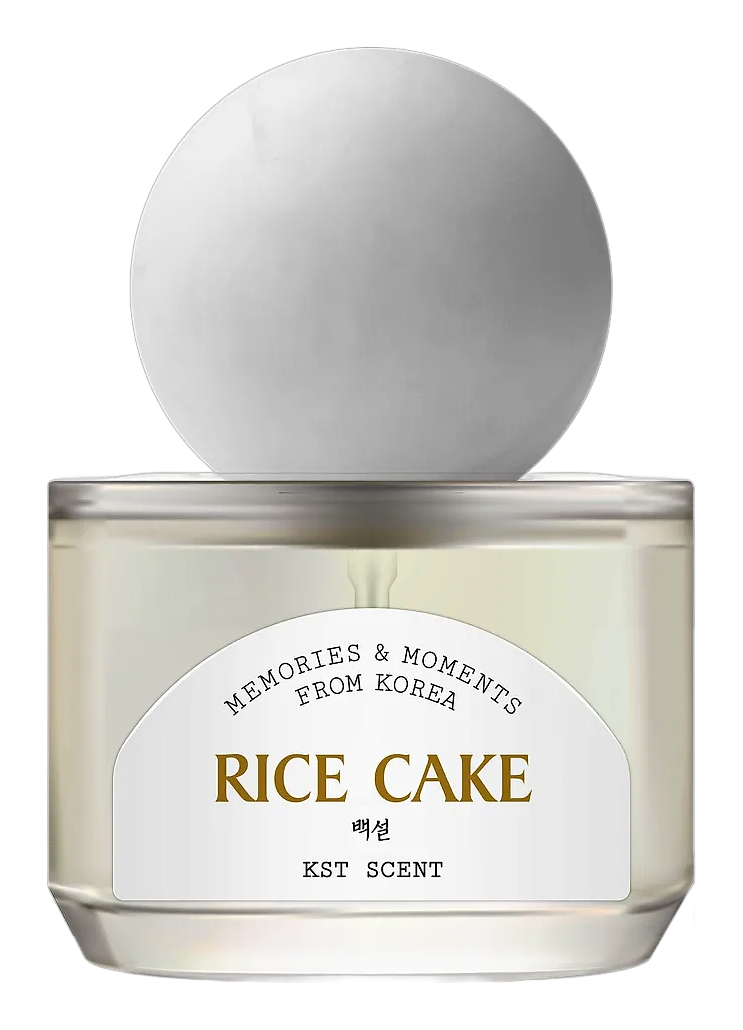
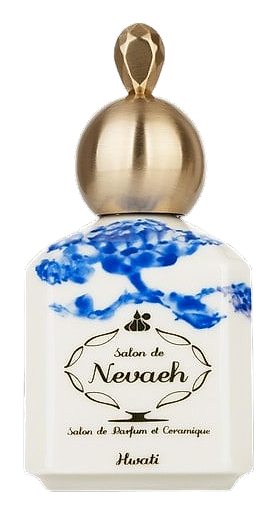
Fragrances featuring Rice Cake
Brands
Brands known for Rice Cake
Good to know
Questions, answered
The essentials on Rice Cake in perfumery: how it smells, where it comes from, and how it behaves on skin.
Is rice cake a natural or synthetic ingredient in perfumery?
Rice cake is typically synthetic. Perfumers use 2-acetyl-1-pyrroline (2-AP), a nature-identical compound that mimics the scent of steamed rice. No standard extraction method yields rice essential oil.
What does rice cake smell like?
It smells like steamed white rice: soft, powdery, subtly sweet, and slightly creamy. Think warm rice fresh from the pot, with gentle starchy warmth.
How does 2-acetyl-1-pyrroline (2-AP) occur naturally?
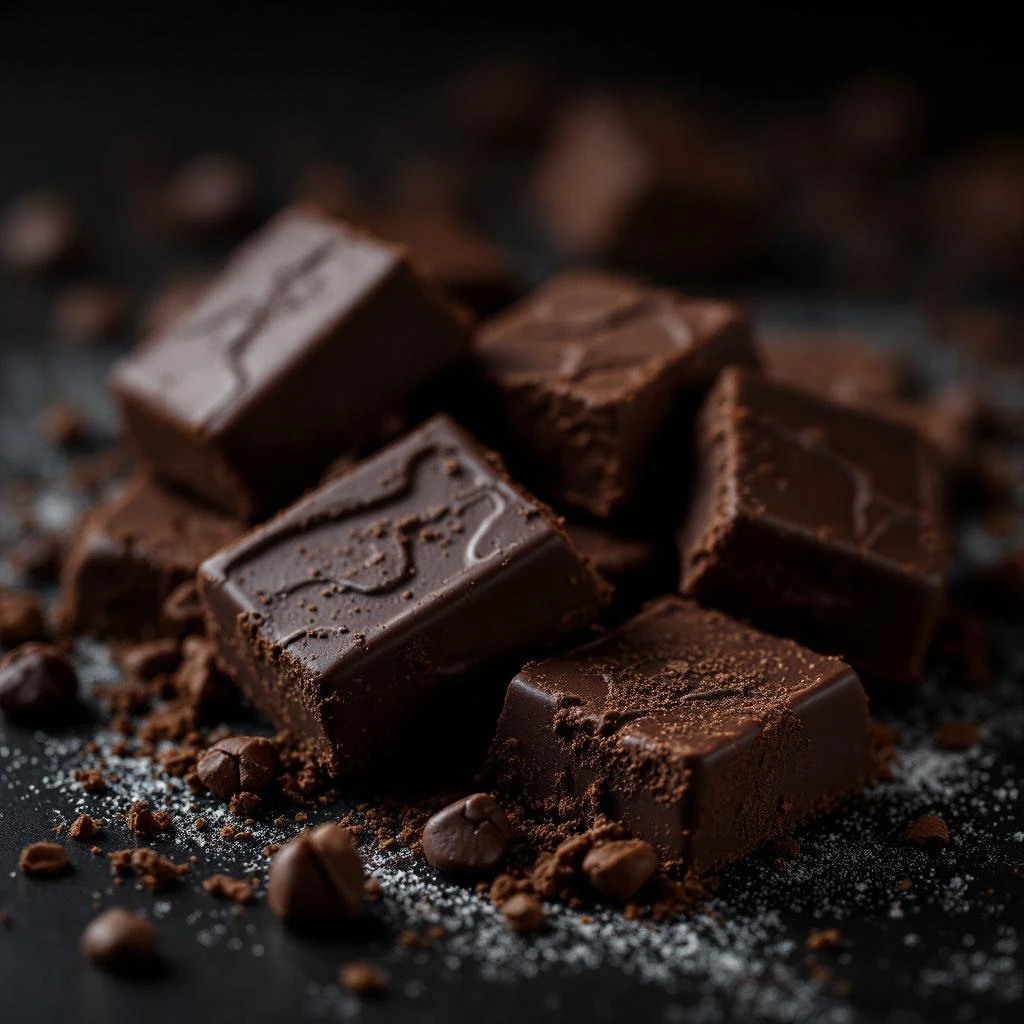
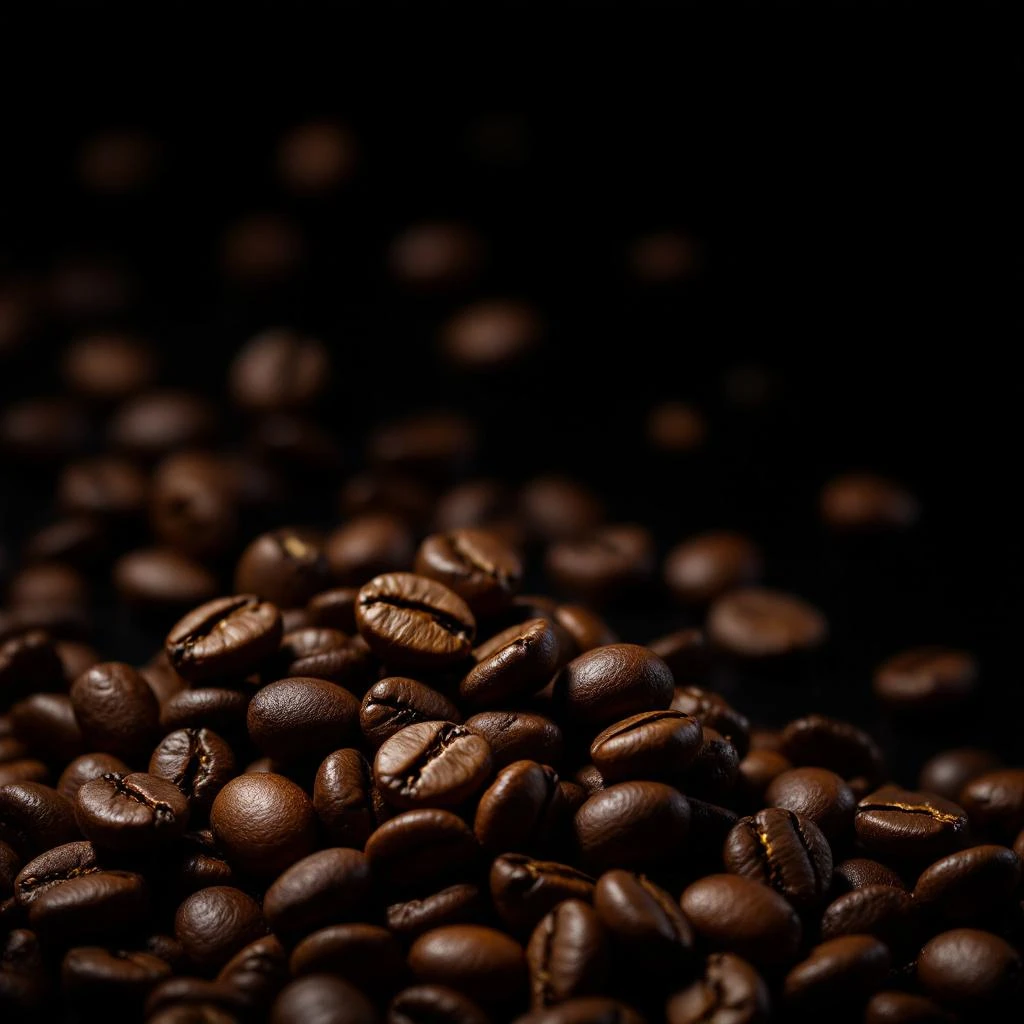
2-AP develops during the Maillard reaction when amino acids and sugars heat together. This explains its presence in bread crusts, roasted coffee, and popcorn, not just rice.
What fragrance families use rice cake notes?
Rice cake appears most often in skin-minimalist, skin-adjacent, and Oriental fragrances. It works as a bridge note that connects clean and edible scent directions.
How does rice cake function as a base note?
Rice cake contributes warmth and comfort without heavy sillage. It acts as a soft anchor, extending the wearing time of lighter top notes through its lingering, powdery dry-down.
Can you smell 2-AP in other foods besides rice?
Yes. Fresh bread crust contains 2-AP. So does butter, popcorn, and fragrant rice varieties like basmati. This cross-food recognition makes rice cake notes feel immediately familiar.
Which perfume houses commonly use rice cake accords?
Several niche houses use rice accords. Its popularity grew with the rise of skin-scent and rice-themed fragrances in the 2010s, particularly among Japanese and Korean brands.
Does rice cake have any cultural symbolism in perfumery?
Rice carries associations with purity, nourishment, and daily ritual across East Asia. Its use in fragrance echoes themes of simplicity and understated elegance found in Japanese wabi-sabi philosophy.