The Story
Why it exists.
The beginning
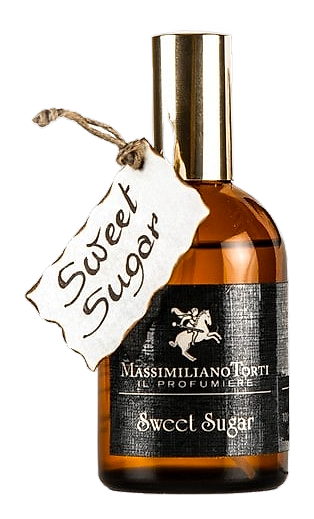
Sweet Sugar arrived in 2007 from Massimiliano Torti at Il Profumiere, the Florentine house built on the idea that scent is a form of memory you can carry. The brief, if you could call it that: take sweetness beyond the obvious. Not candy. Not confectionery. Something with weight and shadow while remaining unmistakably warm. Sugar as a concept, not a note. Torti worked from the Italian tradition of resinous, balsamic materials, benzoin and the balsamic oils that were central to Florentine perfumery long before niche was a category. The name is a provocation. Sweetness is the surface. What happens underneath is the point.
The combination of benzoin and cedarwood is the structural spine here. Benzoin is sticky, almost medicinal in its sweetness, resinous in the way frankincense is resinous, but warmer, rounder, with a vanilla-adjacent quality that reads as comfort. Cedarwood does the opposite work: dry, slightly pencil-shaving astringent, a counterweight that prevents the composition from becoming syrupy. The white flowers add a top note that is more structural than decorative, something that reads as fresh, almost cool, before the vanilla heart opens.
The evolution
The opening announces itself quickly, benzoin and cedar arriving almost simultaneously. For the first twenty to thirty minutes, there's a tension between them that reads as smoky rather than sweet. The white flowers arrive and diffuse that tension, adding an airy quality that prevents the opening from feeling heavy or cloying. This is important: Sweet Sugar never feels like too much, even at its sweetest point. The heart is where vanilla takes over, but not in the obvious way. This is not vanilla as frosting. It reads more like the inside of a vanilla pod, creamier, slightly boozy, with a warmth that sits close to the skin rather than projecting outward. The woody notes deepen here, with the coniferous element adding a cool undertone that prevents the heart from becoming flat or linear. The drydown is the long game. Patchouli and amber create a base that is earthy without being dirty, sweet without being sugary. The musk keeps everything intimate, close to the body, present for hours after application. On fabric, it can last into the next day.
Cultural impact
Sweet Sugar arrived in 2007 during a period when Italian niche houses were challenging mainstream perfumery conventions. Rather than pursuing the popular sweet-gourmand direction, Massimiliano Torti created something provocative: a sweet name concealing a smoky, resinous character built on benzoin and cedar. This mismatch became part of its identity, rewarding those who sampled beyond surface expectations. The fragrance has remained consistently available for over 15 years, unusual for a niche release. Its longevity reflects a composition that resists trend cycles by refusing to fit neatly into any single category. Wearers have described it as an early example of the sweet-smoky-resinous hybrid that later became more common in niche perfumery.