Ebony
Ebony brings a deep, almost theatrical darkness to fragrance compositions. This rich wood note conveys luxury and mystery, grounding lighter elements with its smooth, smoky depth.

Character
How it smells
Darkness distilled into a bottle.
Some ebony species can take over 200 years to reach full maturity, making each tree a century-spanning masterwork of nature.








Origin
Indonesia
Ebony trees have commanded reverence across civilizations for millennia. Ancient Egyptians carved sacred amulets from the dense black wood, believing it held protective powers.
In ancient Greece, ebony artifacts appeared in temples dedicated to the gods, valued alongside gold and ivory as materials of divine significance. Indian craftspeople refined ebony carving into an art form, producing intricate furniture and ceremonial objects reserved for royalty.
The wood's natural darkness seemed to embody the night sky and fertile earth simultaneously, earning it symbolic status in cultures from West Africa to Southeast Asia. While perfumery could not easily access true ebony oil, perfumers adopted the name to evoke its most desirable qualities: depth, darkness, and an almost regal presence in composition.
Wears it best
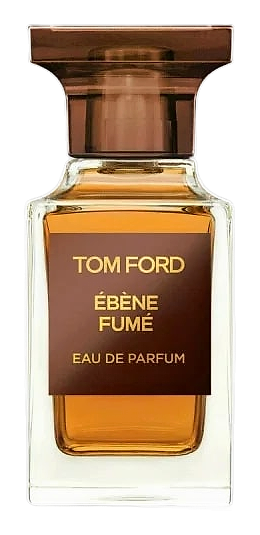
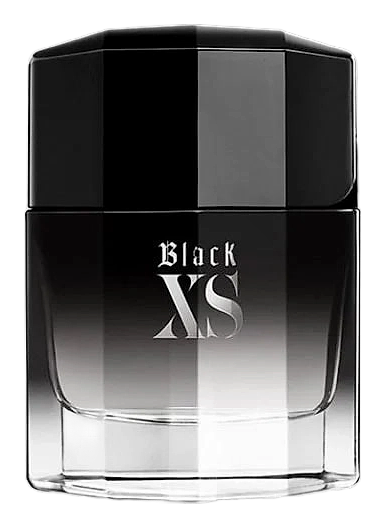
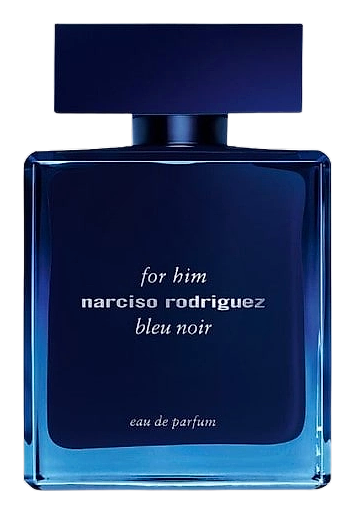
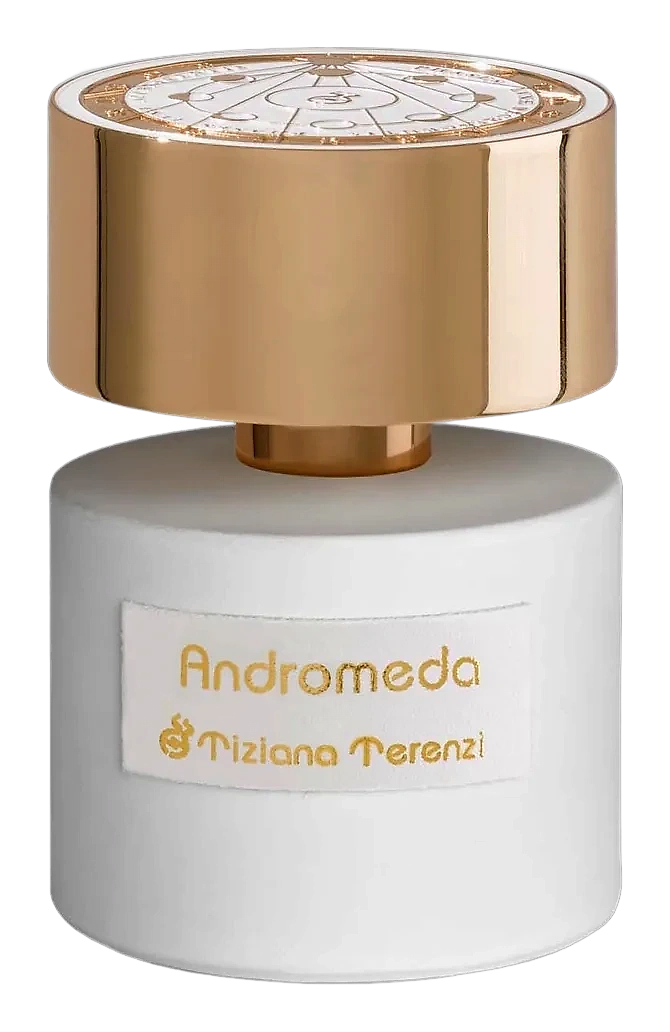
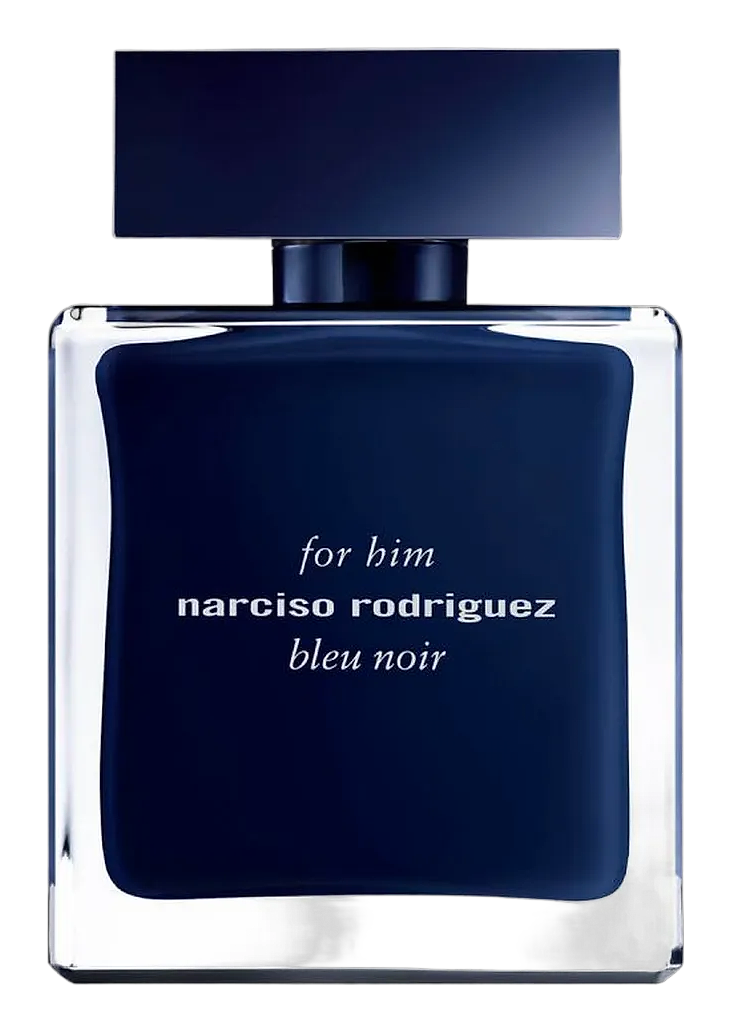
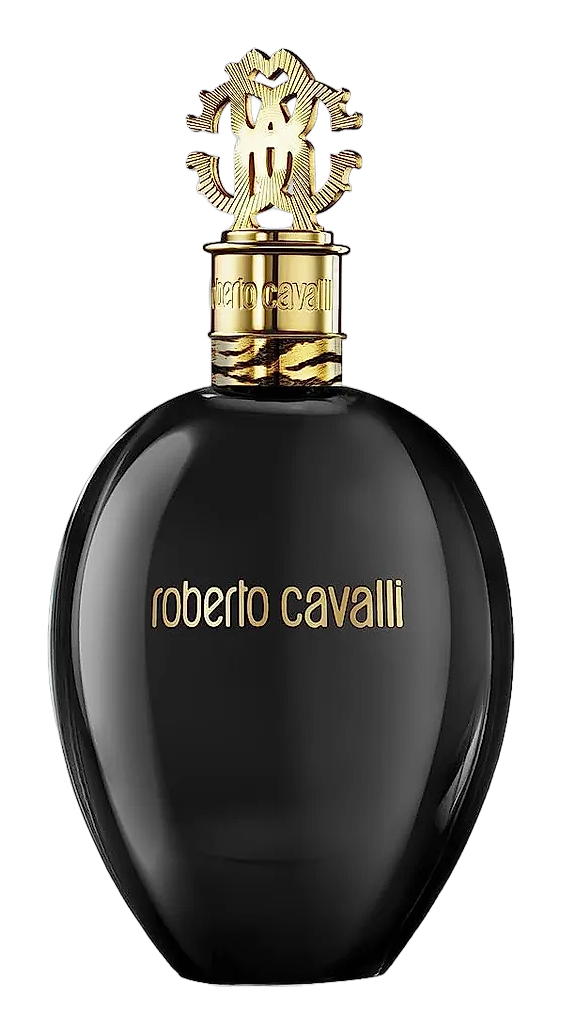
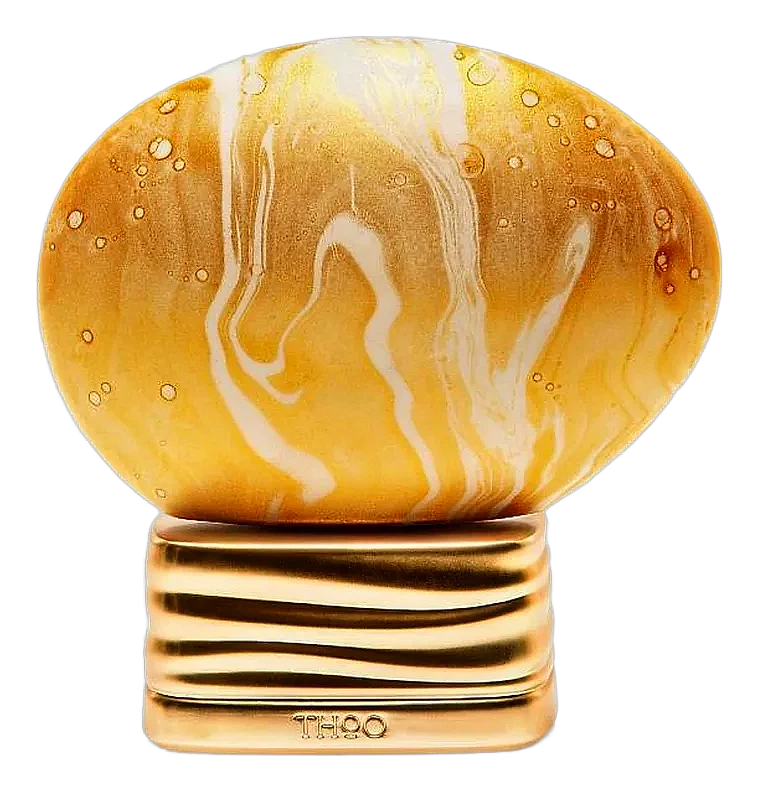
Fragrances featuring Ebony




Brands
Brands known for Ebony
Good to know
Questions, answered
The essentials on Ebony in perfumery: how it smells, where it comes from, and how it behaves on skin.
Is ebony a natural or synthetic ingredient in perfumery?
Ebony is typically synthetic in modern perfumery. True ebony essential oil is extraordinarily rare due to the wood's extreme density. Perfumers create an ebony effect using reconstructed woody accords that capture the dark, smoky character of the wood.
What does the ebony note smell like?
Ebony conveys deep, dark wood with smoky undertones and a velvety smoothness. It reads as warm rather than sharp, with creamy depths and subtle resinous warmth that grounds lighter top notes in fragrance compositions.
Which countries produce natural ebony for perfumery?
Indonesia, Ghana, and Tanzania represent the primary source regions for ebony wood. However, sustainable harvesting challenges mean most ebony-character materials in perfumery come from alternative woody sources rather than the actual ebony tree.
Is ebony oil sustainable to harvest?
Sustainability concerns limit natural ebony oil production. Ebony trees grow extremely slowly, with some species requiring over two centuries to mature. Most fragrance houses rely on reconstructed woody accords rather than harvested ebony.
What fragrance families commonly use ebony notes?
Ebony appears most frequently in oriental and woody fragrances. It adds depth to amber compositions and provides grounding for smoky or leathery accords. Unisex and masculine fragrances favor it most often.
Does ebony pair well with other wood notes?
Ebony harmonizes excellently with sandalwood, cedar, and oud. It also complements resinous materials like benzoin and vanilla, creating rich oriental foundations with significant staying power on the skin.
How long does the ebony note last on skin?
As a base note material, ebony-character ingredients provide excellent longevity. Fragrances featuring dark woody foundations typically linger 6-10 hours, evolving slowly as top notes dissipate.
Can ebony trigger allergic reactions?
Natural ebony wood dust can cause skin irritation in sensitive individuals. Synthetic ebony accord materials generally show lower sensitization potential, making reconstructed versions preferable for formulations targeting sensitive skin.



