
The Story
Why it exists.
The beginning
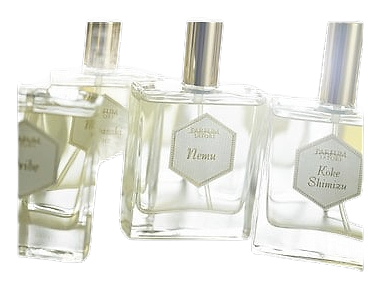
The name Nemu means silk flower in Japanese, not a literal flower, but a mimosa relative known for petals like woven silk threads. What makes this naming interesting isn't the visual reference. It's the behavior. Silk flowers open in daylight and fold their petals at dusk, closing like a held breath until morning. Ōsawa Satori built Nemu around that motion, a fragrance that shifts from bright and present into something quieter and more intimate as the hours pass. Rather than a static composition, this is one that moves with you through the day, matching the light around it.
The powdery accord is where Nemu diverges from a standard floral. Iris and violet create a softness that feels translucent rather than heavy, the kind of powder that settles on silk, not on skin. Paired with the fruity brightness of lychee and the clean heat of ginger in the opening, the composition avoids the cloying sweetness that can overtake tropical florals. The result is a fragrance that reads as delicate without being fragile, structured without being rigid. It's the olfactory equivalent of morning light through sheer curtains, present, warming, never demanding attention.
The evolution
The opening arrives quickly: lychee and grapefruit fizz bright against the skin, with ginger adding a clean heat that keeps everything from tipping into sweetness. Within the first hour, the florals assert themselves, iris and violet creating that powdery softness while rose and jasmine keep the composition transparent. This is the heart of Nemu, the part that earns the name. By the third hour, the citrus has fully retreated. What remains is powdery florals over sandalwood, intimate and close, refusing to announce itself to anyone standing more than arm's length away. The drydown holds for another three to four hours, a quiet whisper on the wrist that someone nearby might catch if they lean in.
Cultural impact
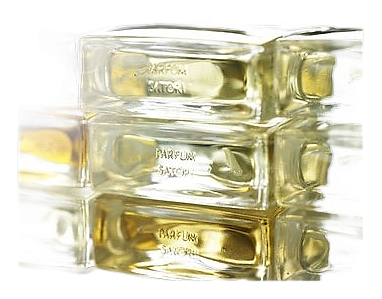
Among niche collectors, Nemu occupies a specific corner, the powdery-floral lover who wants something that whispers. It sits comfortably alongside other Japanese independents that prize restraint over projection, though its lychee and ginger opening gives it a brightness that distinguishes it from austere soliflores. The fragrance rewards patience. Those who lean in find something layered and unhurried; those who spray and walk get a fleeting citrus moment. Among the Parfum Satori collection, Nemu reads as the most feminine in posture, not in sweetness, but in the intimacy of its sillage.