
The Story
Why it exists.
The beginning
Suiren is the Japanese word for water lily, and that is exactly what Ōsawa Satori wanted to capture. Not the flower as it appears in a photograph, but the feeling of standing beside a pond at dawn, when the light is soft and the water holds everything still. The perfumer has spoken about fragrance as a vessel for specific emotional states, and this piece is her meditation on impermanence, the water lily that opens at sunrise and closes again by afternoon. Mono no aware, the bittersweet awareness of fleeting beauty, runs through everything she creates. Here, it became a scent.
What makes Suiren unusual is the eucalyptus. Camphor in most fragrances announces itself sharply, but here it reads as a cool, soft cloud, the camphor barely there, more breath than note. It lifts the pear and watermelon out of fruitiness and into something more translucent. The water lily at the heart is diaphanous, not heavy, which is rare for a lotus-adjacent note. Jasmine and Bulgarian rose support without crowding. The result is a floral heart that feels like morning mist rather than a garden in full bloom.
The evolution
The opening lasts about fifteen minutes: pear and lemon bright and clean, watermelon adding a watery sweetness that surprises without shouting. Then the eucalyptus arrives and everything cools. The camphor doesn't dominate, it cushions. Water lily takes over from there, and the transition is seamless. By the second hour, the floral heart has settled into something quieter. Jasmine and Bulgarian rose blend so thoroughly you stop trying to separate them. The drydown is where cedar and musk live, and they live close to the skin. Moderate sillage means the fragrance stays with you rather than announcing you. On most skin types, the full arc runs six to eight hours. The next morning, there is a faint cedar-and-musk warmth remaining, like fabric that has absorbed the scent.
Cultural impact
Among niche collectors, Suiren has earned a reputation as one of the quieter successes in Japanese perfumery. It sits apart from the louder aquatic fragrances that dominated the 2000s, choosing subtlety over projection. Wearers describe it as the scent of someone who doesn't need to announce themselves, elegant enough to notice, restrained enough to respect. The camphor-forward opening is unusual for a floral composition, which makes it memorable without being aggressive. It appeals to those who find beauty in impermanence.
The House
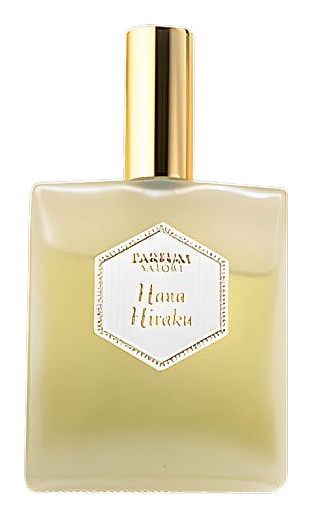
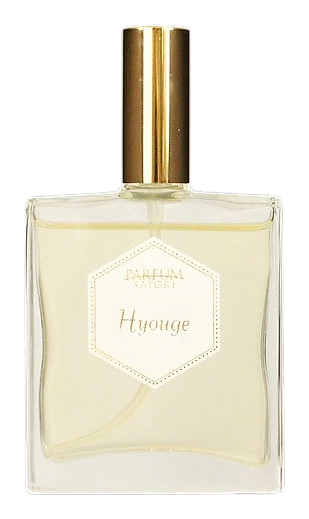
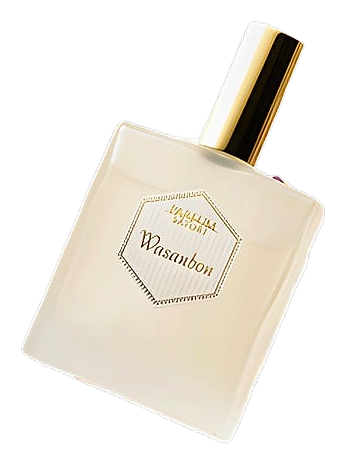
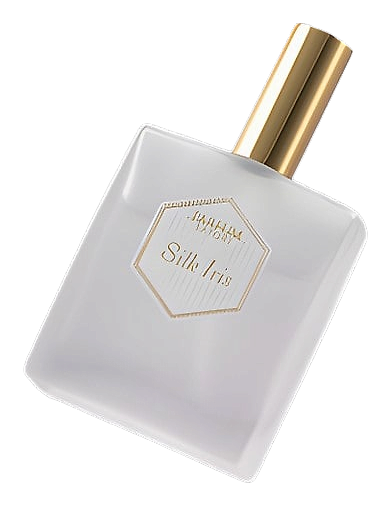
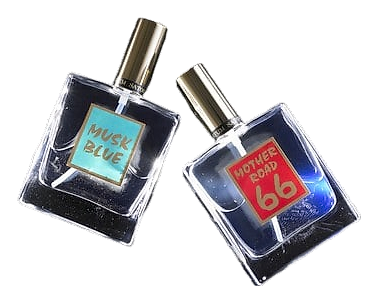
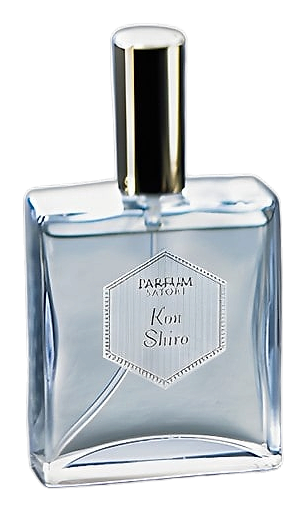
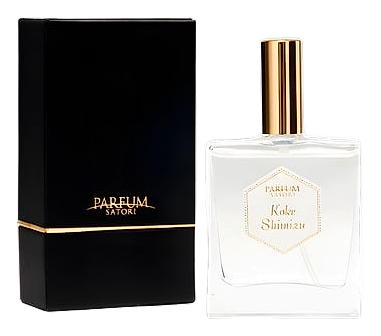
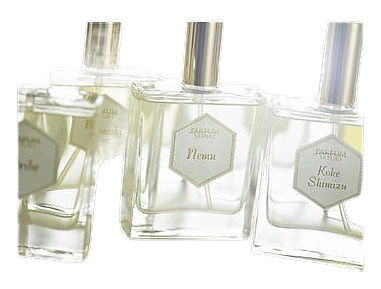
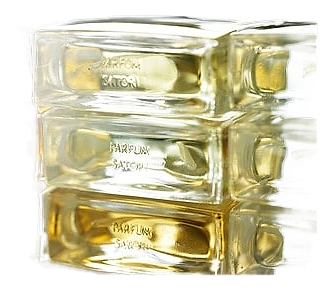
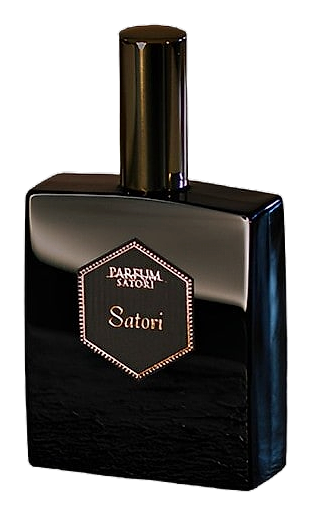
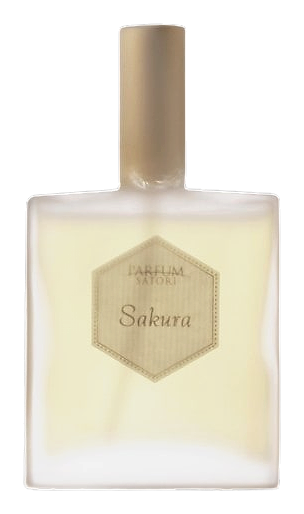
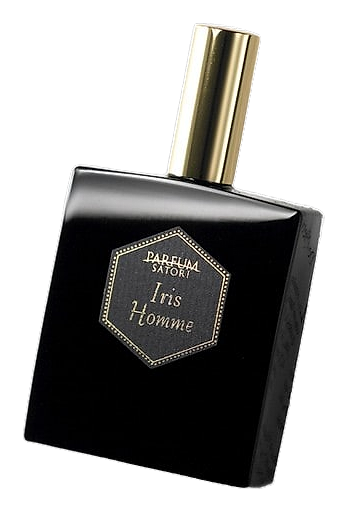
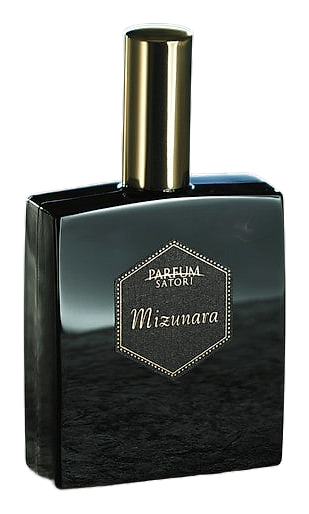
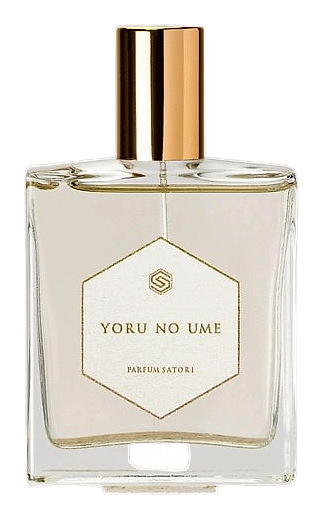
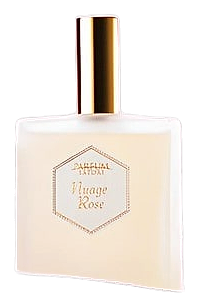
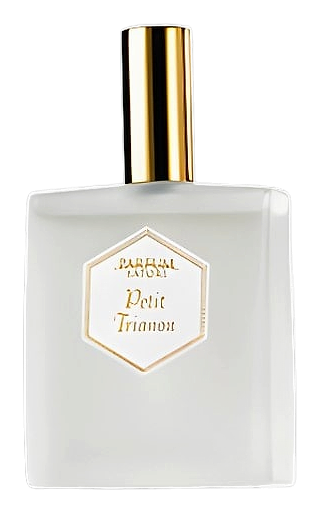
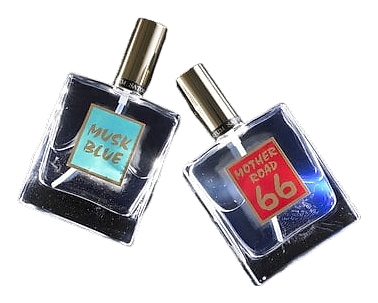
Parfum SatoriParfum Satori occupies a quiet corner of Tokyo's Roppongi district, inside a residential building that requires deliberate intent to find. The house is the personal project of Satori Osawa, who founded and heads the brand as both creator and perfumer. Her work draws from Japanese philosophy and aesthetics, translating concepts like wabi-sabi, impermanence, and cultural memory into liquid form. Among the collection are pieces like Murasaki no Ue, named after the 11th-century author Lady Murasaki; Yoru no Ume, an evening meditation; and Sakura, exploring cherry blossom as both beauty and fleetingness. Osawa is one of the few Japanese members of the Association of Perfumers of France, founded in 1942, which gives her a rare standing in both Eastern and Western perfumery traditions. The house produces a focused line of fragrances, each carrying a specific cultural message or wish, positioned as aromatic interpretations of Japanese spirit rather than commercial products.
The Creator
Ōsawa SatoriOsawa's work tends toward restraint and complexity. She favors natural materials with depth and history: wood notes like Mizunara, green and aromatic facets that recall Japanese forests, and the subtle astringency of tea in all its forms.