
The Story
Why it exists.
The beginning
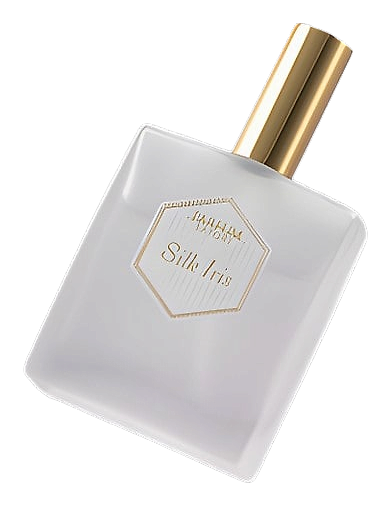
Silk Iris carries a philosophy of restraint as beauty. The name reflects this: silk suggests softness without weight; iris evokes the powdery violet of the flower itself, a note often handled with heavy hands. Here it stays light, barely there, like breath on skin. Released in 2010, the composition emphasizes quietness and intimacy over projection and presence. It works as a deliberate alternative to fragrances that lean into strong sillage. The fragrance rewards close proximity, offering a subtle presence that reveals itself to those nearby rather than announcing itself from across a room.
In this composition, the florals linger alongside the sandalwood rather than surrendering to it. The iris and mimosa remain present as the base develops, creating a continuous soft-focus effect instead of a distinct drydown. The frankincense appears in whispers rather than waves, adding an aromatic quality that keeps the powdery notes from reading as sweet. There is a sense of restraint throughout, where the overall impression stays gentle and understated, never demanding attention.
The evolution
The opening arrives cleanly, bergamot and lemon crisp without sharpness. The elemi adds a faint green undertone, a suggestion of stems rather than flowers. The iris takes over with a powdery, slightly cool quality, unexpectedly soft. The violet appears next, sweetening the composition just enough to keep it from reading flat. Mimosa adds a honeyed warmth that bridges into the base. The sandalwood and white musk provide warmth and closeness as the fragrance develops. The powdery floral quality persists through the wear, with the scent settling into something intimate and skin-close. There is an aromatic counterpoint underneath that adds depth without becoming prominent.
Cultural impact
Silk Iris occupies a specific niche within Japanese niche perfumery. The fragrance appeals to those who appreciate subtlety and restraint in scent. It has developed a dedicated following among fragrance enthusiasts who seek something that works quietly rather than loudly. The composition stands apart for its refusal to announce itself, offering instead an intimate experience that reveals itself only at close range. It represents a particular philosophy of scent that values presence without performance.
The House
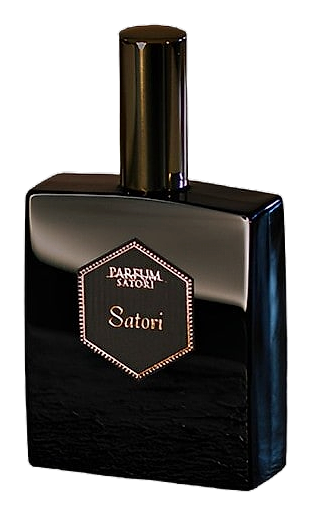
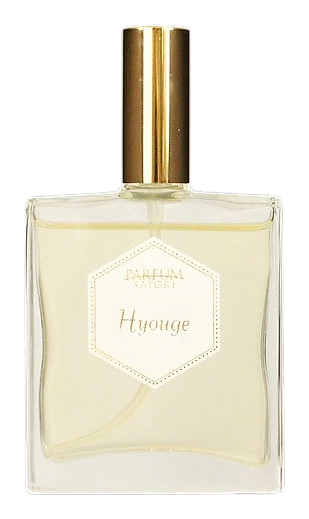
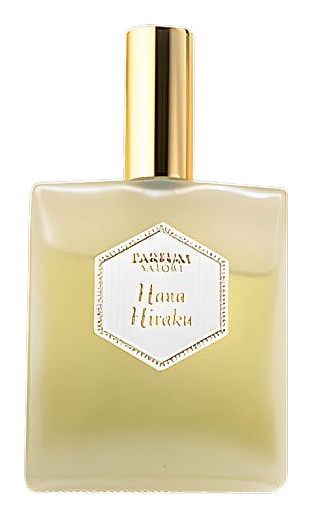
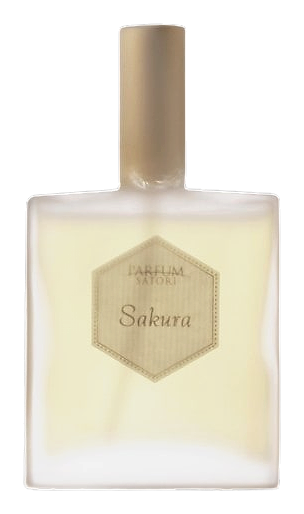
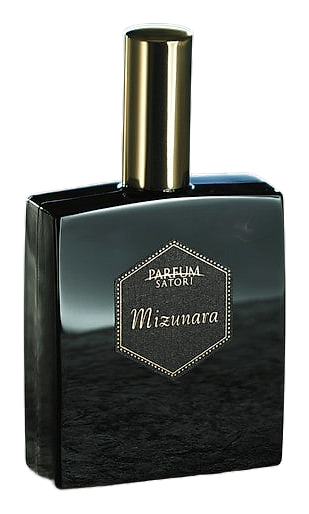
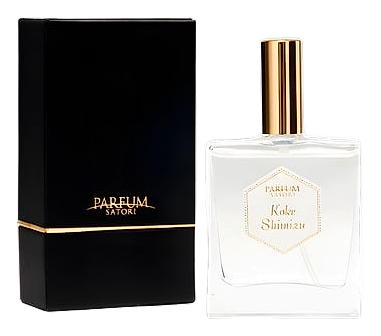
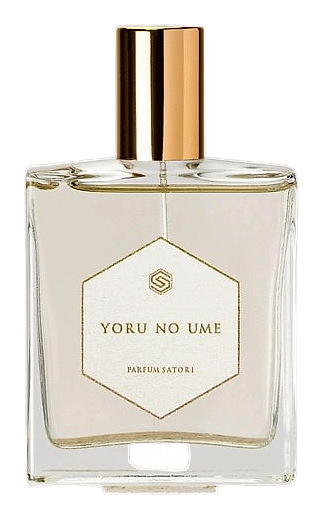
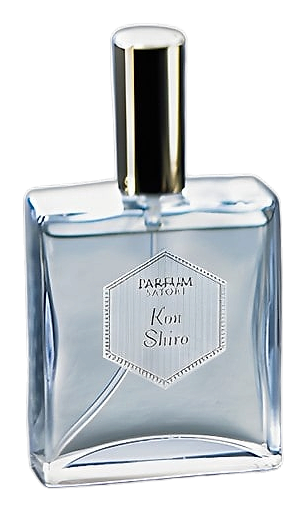
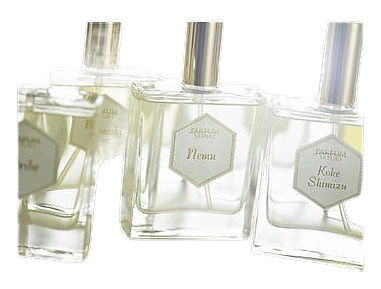
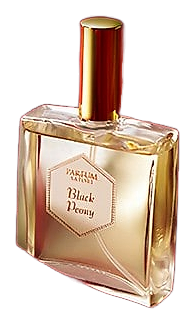
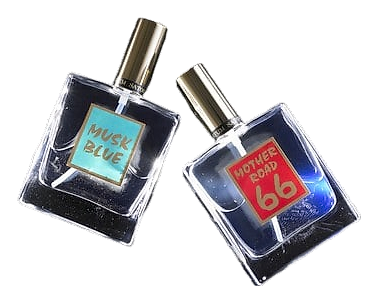
Parfum SatoriParfum Satori occupies a quiet corner of Tokyo's Roppongi district, inside a residential building that requires deliberate intent to find. The house is the personal project of Satori Osawa, who founded and heads the brand as both creator and perfumer. Her work draws from Japanese philosophy and aesthetics, translating concepts like wabi-sabi, impermanence, and cultural memory into liquid form. Among the collection are pieces like Murasaki no Ue, named after the 11th-century author Lady Murasaki; Yoru no Ume, an evening meditation; and Sakura, exploring cherry blossom as both beauty and fleetingness. Osawa is one of the few Japanese members of the Association of Perfumers of France, founded in 1942, which gives her a rare standing in both Eastern and Western perfumery traditions. The house produces a focused line of fragrances, each carrying a specific cultural message or wish, positioned as aromatic interpretations of Japanese spirit rather than commercial products.
The Creator
Ōsawa SatoriOsawa's work tends toward restraint and complexity. She favors natural materials with depth and history: wood notes like Mizunara, green and aromatic facets that recall Japanese forests, and the subtle astringency of tea in all its forms.