
The Story
Why it exists.
The beginning
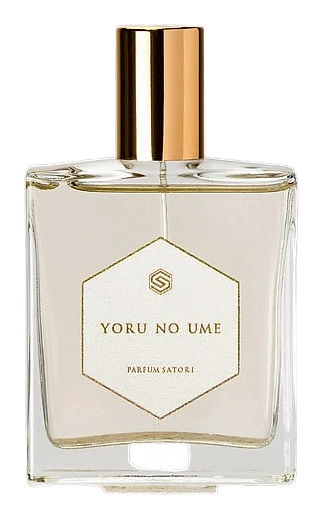
Yoru no Ume translates to "night plum." Released in 2002, Ōsawa Satori created it around the Japanese concept of mono no aware, that bittersweet awareness of impermanence. The night-blooming plum captures it precisely: beauty that arrives in darkness, without an audience, and fades by morning. This is not a fragrance about being noticed. It's about noticing.
The ume blossom sets this apart from typical floral materials, darker, more complex than sweet plum. A subtle tartness that feels simultaneously fragile and resilient. The opening pairs clove's medicinal warmth with apricot's brightness, and that ink note (confirmed by the Tokyo boutique) adds an unexpected medicinal quality that creates a striking contrast against the fruit. The heart brings natural rose and lily of the valley, a clean, almost soapy softness that tempers the earlier intensity.
The evolution
The opening announces itself with clove's sharp warmth and apricot's sweetness, but underneath, that ink note. One reviewer described it as "Japanese plum and ink" and the shopkeeper confirmed it. Medicinal, slightly unexpected. The drydown brings sandalwood, musk, and a soft balsamic presence that lingers as warm skin, warm wood. Moderate sillage that stays close. The full arc runs 6-8 hours on most skin types.
Cultural impact
Among niche collectors, Yoru no Ume occupies a quiet corner, appreciated for its restraint rather than its reach. The ume blossom is unusual enough to draw attention in a landscape of rose and jasmine. Some wearers have noted an ink note in the drydown that sparks conversation. It attracts the kind of person who finds fragrance interesting as a medium, not just as an accessory.