Ume Blossom
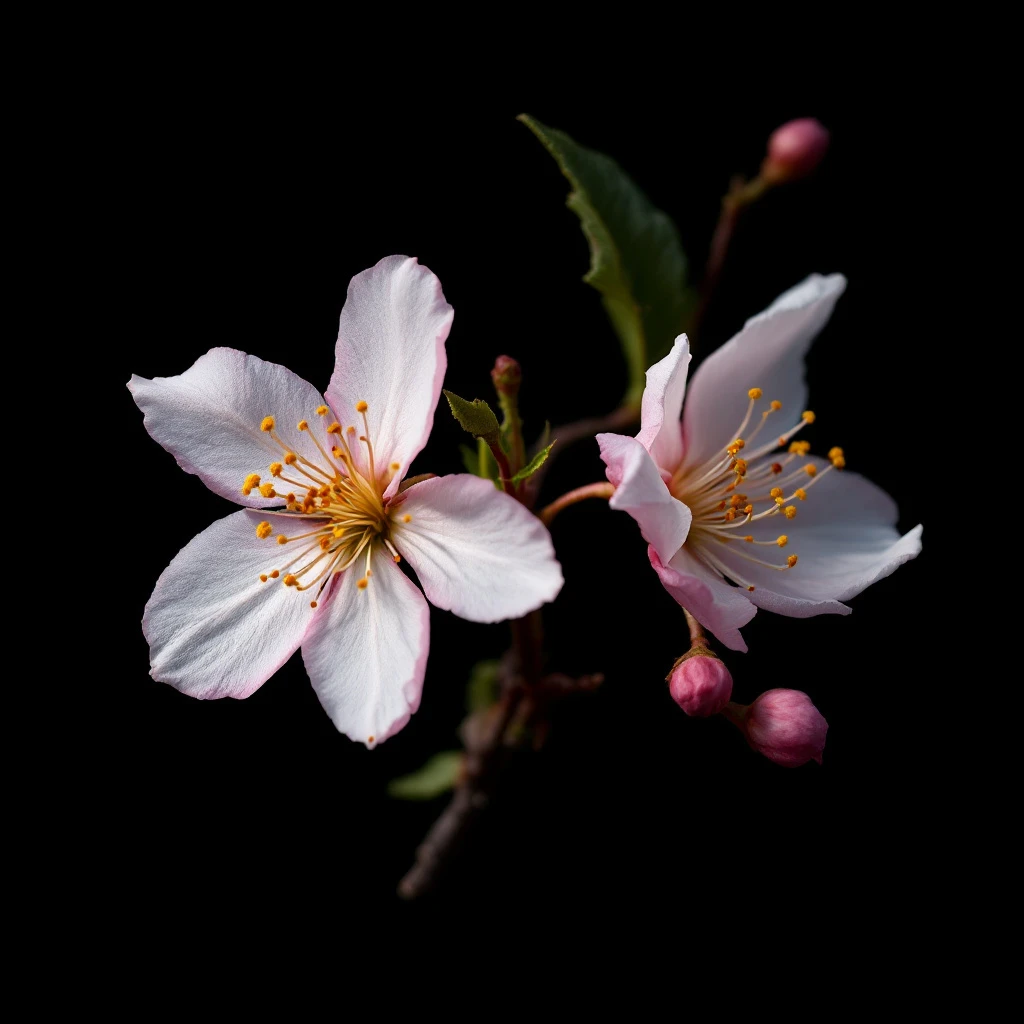
Ume blossom carries the quiet defiance of late winter, its delicate petals unfurling when frost still clings to the branches. In perfumery, this Japanese plum flower offers something rare: an almost paradoxical warmth that feels both green and softly sweet, bitter and inviting.
Character
How it smells
Winter's quiet rebellion captured in scent.
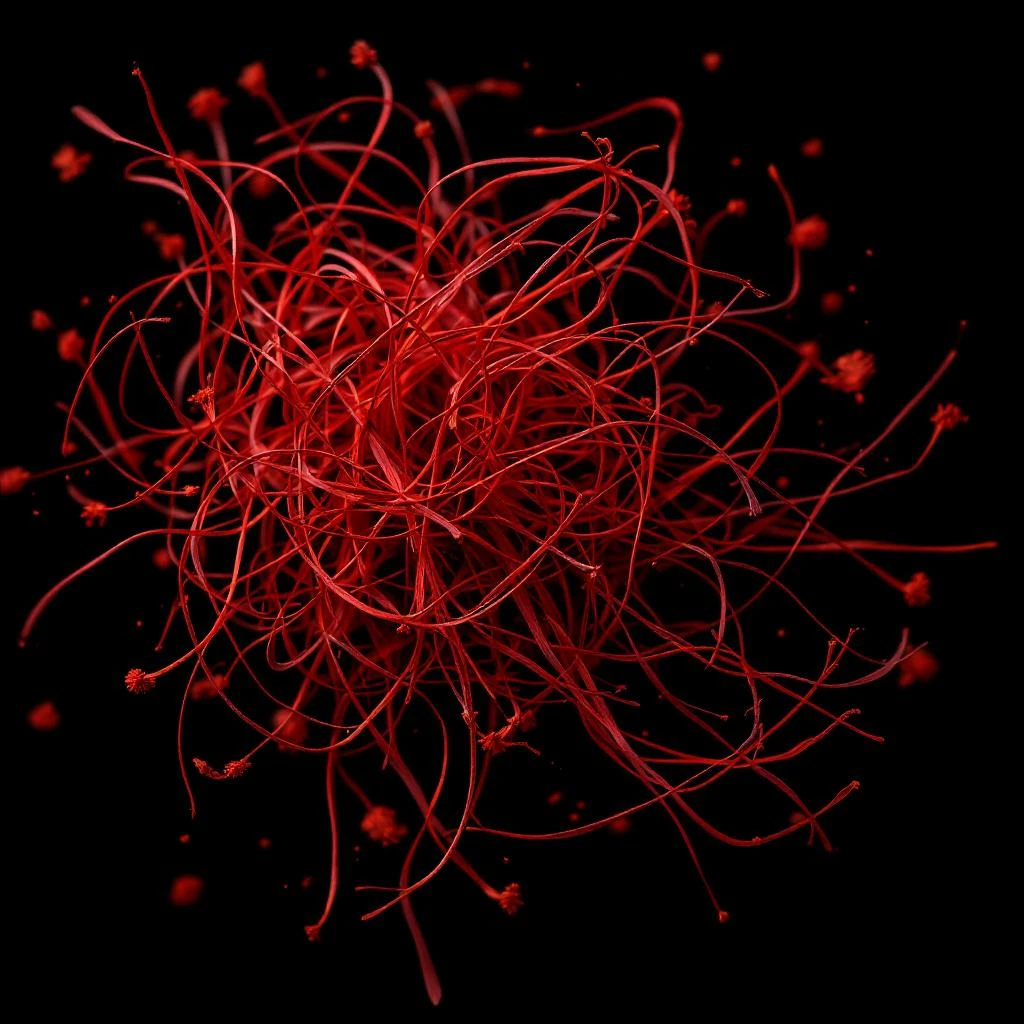
Ume blooms before its leaves appear, a botanical defiance that has made it a symbol of perseverance across East Asia for over a thousand years.





Origin
Japan
The ume tree, Prunus mume, originated in the Yangtze River valley of China more than 2,000 years ago before spreading to Japan and Korea. Chinese texts from the Han dynasty mention ume cultivation, and the tree became embedded in poetry and visual art as a symbol of resilience, purity, and the endurance of beauty through hardship. Japanese culture elevated ume to particular prominence. The tree blooms from late January through March, often pushing through snow and frost, a timing that made it deeply meaningful in a nation marked by severe winters.
By the Heian period (794-1185), ume viewing had become an established court tradition. Japanese nobility would travel to famous ume gardens during blossom season, composing poetry celebrating the flowers. This tradition persists today; urban parks in cities like Ueno and Kairakuen still draw thousands during ume matsuri (plum blossom festivals). Perfumery applications emerged later, with Japanese fragrance houses experimenting with ume absolute in the mid-20th century.
Traditional medicine also incorporated ume, using the sour fruit in remedies for ailments ranging from colds to digestive complaints. The tree's cultural significance extends to Korean traditions, where ume holds a place in Seollal celebrations and folk medicine.
Wears it best
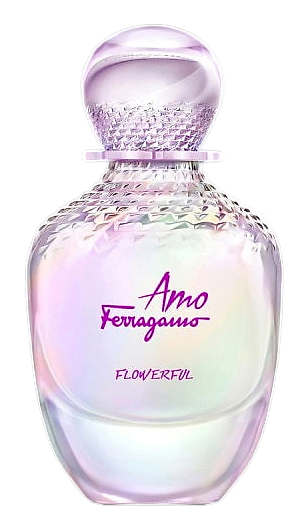
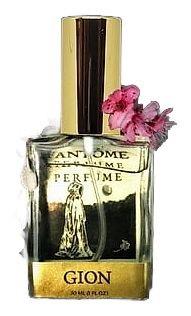
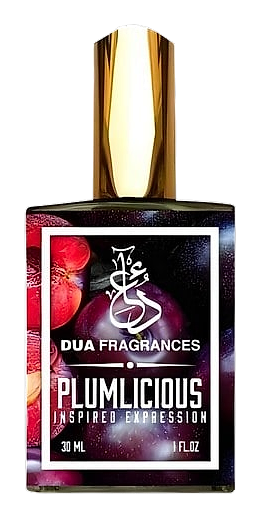
Fragrances featuring Ume Blossom
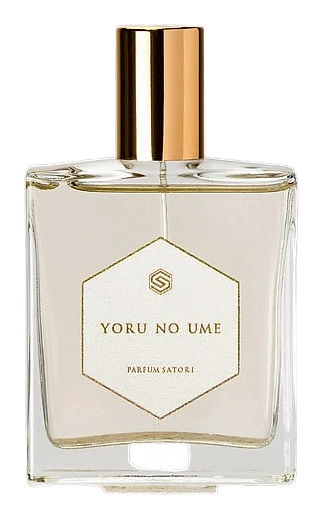

Brands
Brands known for Ume Blossom
Good to know
Questions, answered
The essentials on Ume Blossom in perfumery: how it smells, where it comes from, and how it behaves on skin.
What does ume blossom smell like?
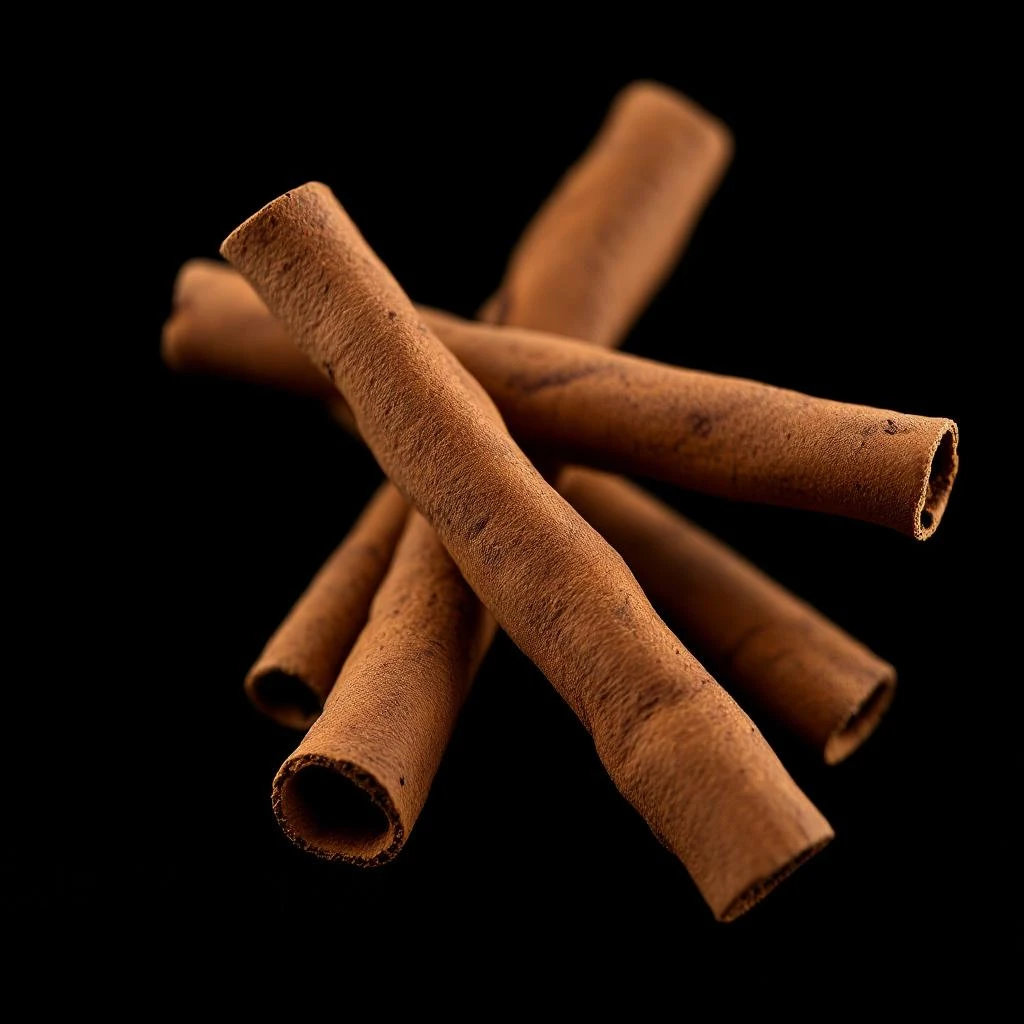
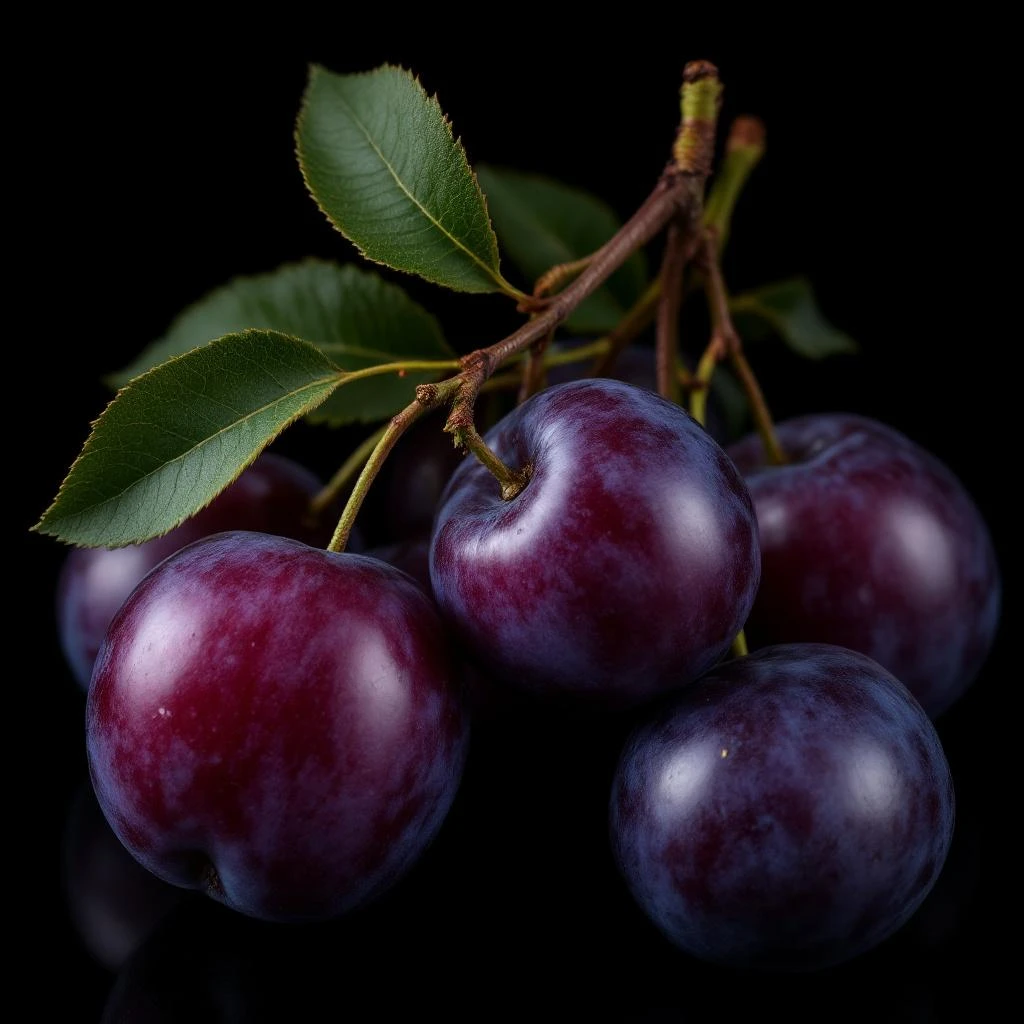
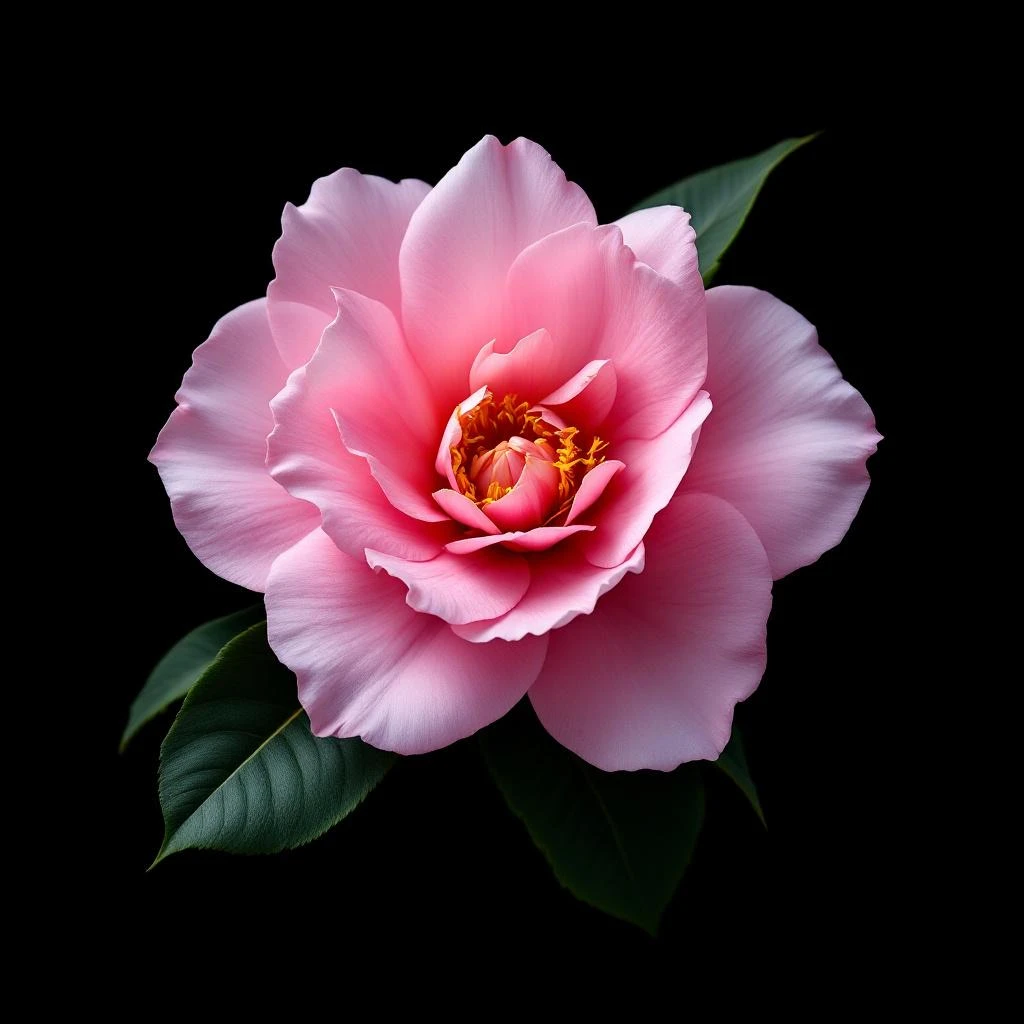
Ume blossom produces a sweet yet subtly bitter fragrance with prominent almond and cherry-like facets. The scent carries green, slightly metallic undertones that evoke the freshness of winter air. Unlike tropical florals, ume feels restrained and quietly complex.
How is ume blossom absolute produced?
Producers harvest ume petals during the February-to-March bloom window. They use solvent extraction to capture aromatic compounds, yielding a viscous amber absolute with characteristic bitter-almond top notes. The process requires large quantities of fresh petals due to low yield per kilogram.
Where does ume blossom grow?
Prunus mume thrives in East Asian climates with cold winters and well-drained soil. Japan, particularly the Kansai region around Wakayama and Mie prefectures, produces the highest quality ume for perfumery. Chinese and Korean producers also cultivate the tree.
How does ume blossom differ from sakura (cherry blossom)?
Sakura offers delicate, ephemeral sweetness with cyanide-like nuances, while ume projects deeper bitter-almond character and green, almost medicinal freshness. Sakura appears more frequently in Western perfumery; ume remains rarer and more associated with Japanese and East Asian fragrance traditions.
Is ume blossom used in natural or synthetic perfumery?
Both forms exist. Natural ume blossom absolute commands premium prices due to limited supply and labor-intensive harvesting. Synthetic versions reproduce key aromatic molecules like benzaldehyde for bitter-almond effect, allowing broader access to the scent profile.
When does the ume blossom season occur?
Ume blooms from late January through March across Japan, earlier in southern regions like Kyushu and later in northern areas like Tohoku. This timing, ahead of spring leaves, has made the tree a celebrated marker of winter's end in East Asian cultures for centuries.
What fragrance families pair well with ume blossom?
Ume works in Oriental and floral compositions, pairing effectively with jasmine, osmanthus, and green tea notes. Base pairings often include sandalwood, white musk, and amber for warmth. The ingredient appears in both light spring fragrances and richer winteroriental scents.
What cultural significance does ume hold in Japan?
Ume symbolizes perseverance and the beauty that emerges through hardship. The tree blooms before its leaves, often through frost, making it a potent metaphor in Japanese poetry and art. Ume matsuri (plum blossom festivals) draw millions of visitors annually to gardens like Ueno and Kairakuen.




