
The Story
Why it exists.
The beginning
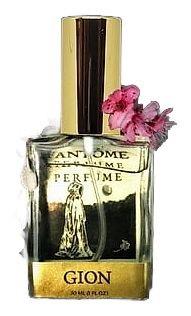
Gion takes its name from Kyoto's most storied geisha district, the neighborhood where silk, ceremony, and subtlety have coexisted for centuries. Fantôme didn't reach for the obvious reference points of Japanese perfumery. No incense, no bamboo, no green tea in the traditional sense. Instead, the brand went sideways: makeup powder drifting through narrow lanes as ume blossoms fall. White tea and honey served not as accessories but as the quiet architecture holding everything together. The result is a fragrance that captures the stillness between gestures, the hush of a tea house at dawn, before anyone arrives.
What makes Gion work is the tension between powder and paper. Most powdery florals go one direction: soft, sweet, comfortable. This one introduces an unexpected dryness through the paper note, the kind of old book scent that grounds the sweetness and keeps the rose from becoming perfumey in the cloying sense. White tea does the heavy lifting here, providing that slightly astringent, clean quality that lifts the composition instead of weighing it down. The honey isn't loud. It's the drop that sweetens the cup, not the jar that sweetens the table. Combined with plum's subtle tartness, the result is a fragrance that breathes rather than blooms.
The evolution
The opening announces itself gently, rose, powder, a whisper of something sweet. No big entrance. Within minutes, white tea arrives to clean things up, adding clarity without sharpness. The honey becomes more apparent as the rose deepens, but it's never sticky or overwhelming. Plum enters quietly in the heart, a supporting note rather than a lead. The drydown shifts toward powder and ume blossom, softer, closer, intimate. Paper emerges as the final thread, lingering long after the florals fade. On fabric, it stays close and lasts longer. On skin, the honey can pop a bit more, some wearers report a cumin-adjacent warmth that others miss entirely. The next morning, there's a faint trace of powder on a shirt collar.
Cultural impact
Gion has found its audience among fragrance wearers seeking something gentler than the norm. The powdery-floral character appeals to those who find traditional rose fragrances too heavy, while the makeup-adjacent quality attracts wearers with specific memories attached to that scent. Its restraint has made it a quiet favorite, not a statement fragrance, but a personal one. The spring setting and delicate execution have positioned it as an alternative to louder niche releases, particularly for those exploring indie perfumery for the first time.