The Story
Why it exists.
The beginning
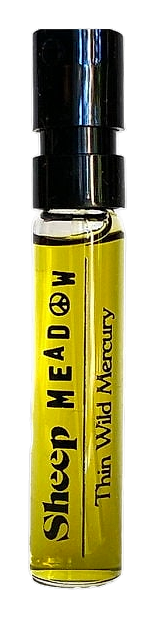
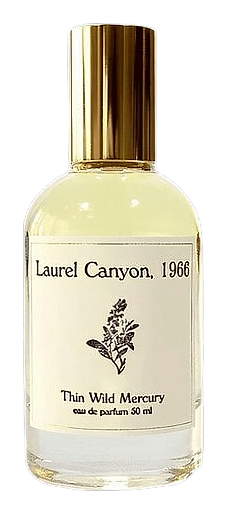
Laurel Canyon, 1966 translates a specific moment in Los Angeles cultural history into scent. The canyon neighborhoods became a gathering place for creative energy in the mid-1960s, a creative enclave where something new took shape. Cathleen Cardinali built this fragrance around that era's particular energy: the warmth of shared houses, the smell of incense and green gardens, the casual ease of a time before everything was documented. Sweet orange and grapefruit open bright, like light through canyon windows. The citrus creates an immediate sense of warmth, a sunlit quality that feels both invigorating and relaxed. Clove and cannabis form the heart, not the skunk of recreational use, but the green herbal warmth of living plants.
What makes this composition work is the tension between bright citrus and earthy depth. Orange and grapefruit arrive sharp and almost astringent, then soften as the herbal heart emerges. The Italian cannabis note is green and aromatic without being confrontational, it reads as plant material, not intoxication. Clove adds warm spice that bridges the citrus and the base. In the drydown, patchouli and birch tar create something smoky and earthy, while ambergris introduces a subtle animalic sweetness. The result is a fragrance that moves from light to dark over its wearing period, changing character without losing coherence.
The evolution
The opening is bright and almost sharp, citrus oil on warm skin, grapefruit's bitterness cutting through the sweetness. Within minutes, the green notes arrive. Cannabis and petitgrain create an herbal, slightly resinous quality that softens the citrus. The clove emerges as the heart develops, warm and spiced, with jasmine sambac adding a floral sweetness that feels intimate rather than girlish. As it settles into the drydown, patchouli and birch tar take over, earthy, smoky, with a campfire quality that lingers close to the skin. Ambergris adds a subtle animalic warmth underneath, the kind of note that makes skin smell like skin. The fragrance doesn't fill a room. It wraps around the wearer, present without demanding. On the skin, the citrus fades first, giving way to the herbal heart where the clove and jasmine become more pronounced.
Cultural impact
Laurel Canyon in 1966 represented a convergence point where folk music, emerging rock, and countercultural ideals collided against the backdrop of Los Angeles hills. The fragrance captures that specific moment: the optimism of post-war California idealism mixed with the herbal greenery of canyon living. Thin Wild Mercury's decision to anchor this scent to 1966 treats the year as an olfactory artifact, preserving not just a smell but a cultural temperature. The sweet citrus and smoky patchouli mirror the canyon's duality: sun-drenched optimism alongside shadowy, introspective depth.