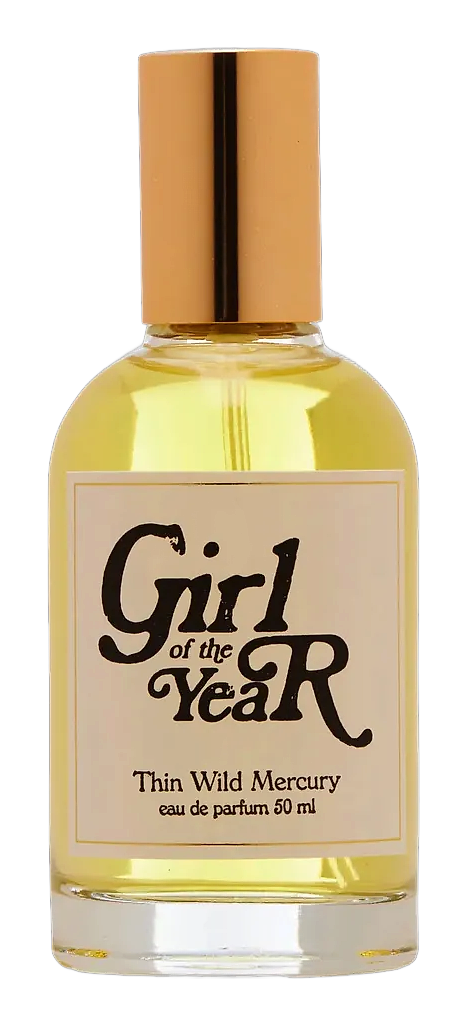
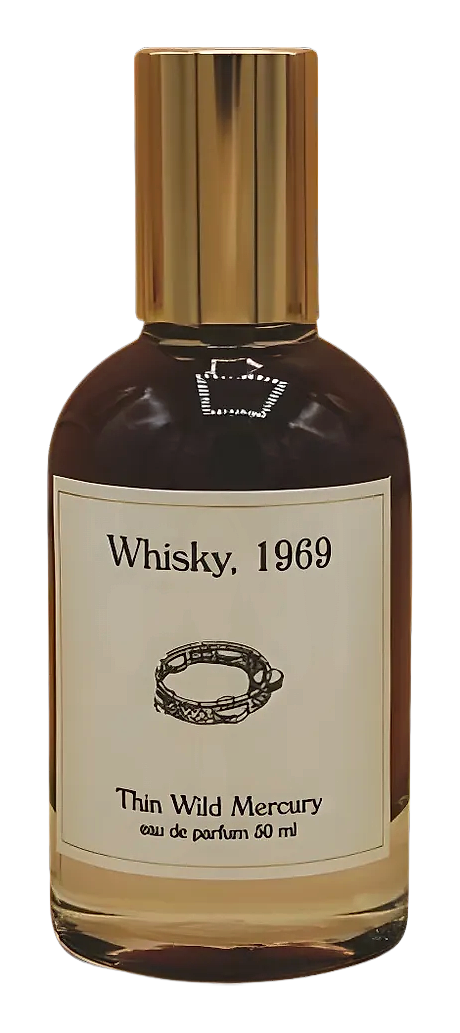
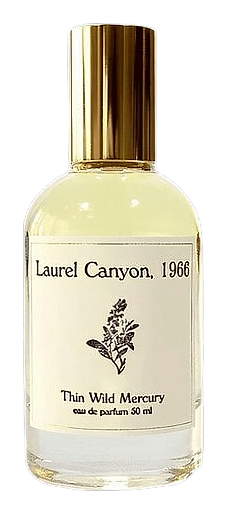
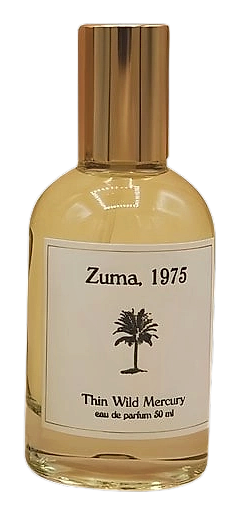

The Heritage
The Story of Thin Wild Mercury
Thin Wild Mercury is a small-batch indie fragrance brand based in Los Angeles. The label creates gender-neutral scents that draw from the cultural histories of Los Angeles and New York, with most fragrances named after specific years that evoke particular moments in American pop culture. Each scent functions as an olfactory artifact, translating eras, moods, and musical moments into wearable perfume. Founder Cathleen Cardinali approaches fragrance creation with a collector's sensibility, treating each bottle as a time capsule anchored to a specific cultural moment rather than a conventional perfume releases.
Heritage
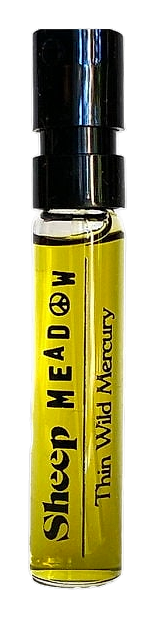
Thin Wild Mercury emerged from Los Feliz Village in Los Angeles, a neighborhood with deep bohemian roots. The brand was founded by Cathleen Cardinali, who spent years working in luxury retail before pivoting to become a perfumer. She pursued formal training at the Institute for Art and... in Los Angeles, building her expertise through structured study of fragrance composition. Her husband Anthony Polcino, a musician by trade, serves as co-founder and creative collaborator, bringing his understanding of music and countercultural history into the development process. The couple self-funded the venture entirely, building the brand slowly without outside investment. Their first four fragrances launched in 2019, each named after a specific year: Whisky, 1969; Laurel Canyon, 1966; Zuma, 1975; and Chateau, 1970. These initial releases established the brand's signature approach of anchoring each scent to a cultural year that carries specific associations. Subsequent releases in 2023 expanded the line considerably, introducing Girl of the Year, Chelsea Staircase, Sheep Meadow, and 34 Bohemian Cafes alongside the original collection. The brand maintains an intentionally small production scale, working from their Los Angeles base to craft scents that capture specific eras and experiences rather than following conventional fragrance industry trends.
Craftsmanship
The brand produces fragrances in small batches, a production approach that allows for greater attention to detail and consistency between bottles. Reports indicate that Thin Wild Mercury crafts its scents without phthalates and avoids parabens and other questionable ingredients common in conventional fragrance production. The formulation philosophy prioritizes clarity and complexity, with blends that present multiple aromatic layers rather than a single dominant note. Reviews of specific releases, including Whisky, 1969, describe scents that shift considerably over the wearing period, opening bright and herbal with incense qualities before transitioning into darker, smokier drydown anchored by patchouli. This development arc suggests a commitment to constructing fragrances with genuine evolution rather than static linear projection. The brand sources materials with the intention of creating scents that reward extended wearing, designing perfumes that change character as they interact with individual skin chemistry. Production remains centered in Los Angeles, where the founders develop and blend formulas before bottling. The small-batch approach means inventory remains limited, though the brand maintains consistent availability of its core releases across several years of production.
Design Language
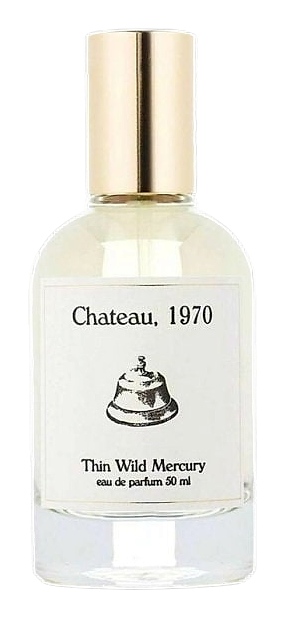
The brand's visual identity emphasizes restraint and cultural specificity. Bottle designs maintain a minimal, editorial quality that suggests the aesthetic of independent fashion publications rather than traditional perfume packaging. Labels identify scents through their signature format of name followed by year, creating a distinctive nomenclature that sets the brand apart in a market crowded with abstract perfume titles. The presentation communicates a sense of specificity and intentionality, avoiding both the ostentatious luxury trappings of mainstream niche fragrance and the folksy imperfection sometimes associated with indie brands. When introducing new fragrances, the brand often shares cultural references through Instagram posts that tie specific releases to particular moments in entertainment history, creative communities, or geographical places. The overall effect is an aesthetic that values substance over spectacle, communicating brand identity through accurate cultural associations rather than aspirational messaging or marketing superlatives. The packaging and naming together suggest a brand aimed at collectors and cultural omnivores rather than casual consumers seeking conventional luxury cues.
Philosophy
Thin Wild Mercury treats perfume as cultural memory. Rather than constructing fragrances around traditional olfactory families or seasonal marketing categories, the brand names each scent after a specific year that carries distinct cultural resonance. Whisky, 1969 evokes the final moments of the 1960s counterculture, while Laurel Canyon, 1966 draws from the folk-rock scene that thrived in the canyon neighborhoods of Los Angeles. Chateau, 1970 references a specific New York nightclub known for its underground parties, and Zuma, 1975 points toward the easy-going California surf culture of that era. This naming strategy reflects a belief that smell is intimately tied to memory and cultural context. A fragrance named for 1969 does not necessarily attempt to recreate period-accurate scents, but rather to capture a feeling, an atmosphere, a particular set of associations that the year carries. The brand describes its scents as expressions of vibrant cultural eras, treating each release as a meditation on a specific moment rather than a product designed to follow seasonal trends. The husband-and-wife founding team approaches fragrance creation as a collaborative creative practice, with Cardinali handling the technical perfumery work while Polcino contributes his perspective shaped by music and cultural history.
Key Milestones
2019
Launch of first four fragrances: Whisky, 1969; Laurel Canyon, 1966; Zuma, 1975; and Chateau, 1970, establishing the brand's signature year-based nomenclature
2023
Expansion of the core collection with five new releases spanning both coasts: Girl of the Year, Chelsea Staircase, Sheep Meadow, 34 Bohemian Cafes, and additions to the existing lineup
2019
Release of Whisky, 1969, which developed a reputation within indie fragrance communities for its complex development arc, described as bright and herbal opening into darker, patchouli-fueled drydown
1966
Referenced year for Laurel Canyon fragrance, honoring the folk-rock scene of Los Angeles canyon communities where musicians gathered during that creative period
1969
Referenced year for Whisky fragrance, evoking the final chapter of 1960s counterculture and the transitional atmosphere of that particular cultural moment
2024
Continued presence in indie fragrance retail spaces, with the brand carried by specialty retailers including Len Collective as of May 2024
At a Glance
Brand profile snapshot
Origin
USA
Founded
2019
Heritage
7
Years active
Collection
2
Fragrances released
Avg Rating
4.2
Community sentiment
Release Rhythm


