The Story
Why it exists.
The beginning
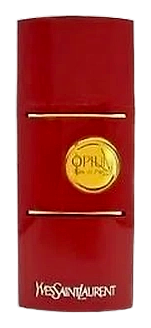
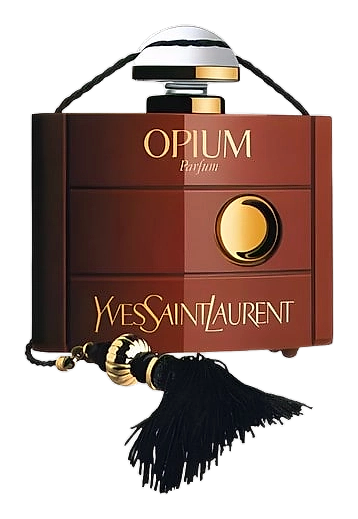
In 1977, Jean Amic and Jean-Louis Sieuzac created a fragrance named after something that ruins people. The choice was deliberate. YSL wanted to give women a scent that carried weight, the kind of thing you don't announce, you just wear. The name alone started arguments. The composition finished them. Opium wasn't marketed so much as it was released, and it changed what a women's fragrance could say without saying a word. The top notes open with a burst of citrus, bergamot and mandarin bright against the sharp spice of clove and black pepper, an immediate signal that this fragrance means business. Beneath that initial brightness, the spice deepens, creating a tension that keeps the opening from feeling light or frivolous.
The pyramid here is absurdly wide. Nine top notes, eight heart notes, thirteen base notes. Most perfumers would call that chaos. Sieuzac called it architecture. The trick is in the sequencing, the citrus and clove arrive together, creating a bright-spice tension that prevents either from overwhelming the other. By the time the carnation and cinnamon arrive, you've forgotten the opening was ever sharp. The myrrh and vanilla in the base don't compete with the florals above. They hold them. This is how you build something that lasts without ever becoming a single note.
The evolution
The first five minutes are almost aggressive, clove, black pepper, the sharp citrus of bergamot arriving at once. Not unpleasant, just insistent. Around the thirty-minute mark, the carnation and cinnamon emerge, and the composition softens into something warmer. The plum note some people mention? It's here, barely, a sweetness underneath the spice that keeps the heart from becoming medicinal. The heart phase unfolds gradually, the jasmine, rose, and lily of the valley arriving alongside the carnation and cinnamon rather than after them, creating a layered effect where florals and spice coexist. By hour two, the composition has settled into its full complexity, the florals now woven through with myrrh and amber, a thick warmth that hugs close to the skin.
Cultural impact
Opium arrived in 1977 and immediately became controversial. The name alone sparked protests in multiple countries, led to bans in China and the UAE, and delayed the US launch by over a year as anti-drug organizations demanded proof the fragrance contained no actual opium. None of that stopped it from becoming a landmark fragrance that shaped the oriental genre for years to come. It spawned countless interpretations and remained a reference point for perfumers working in the oriental tradition.