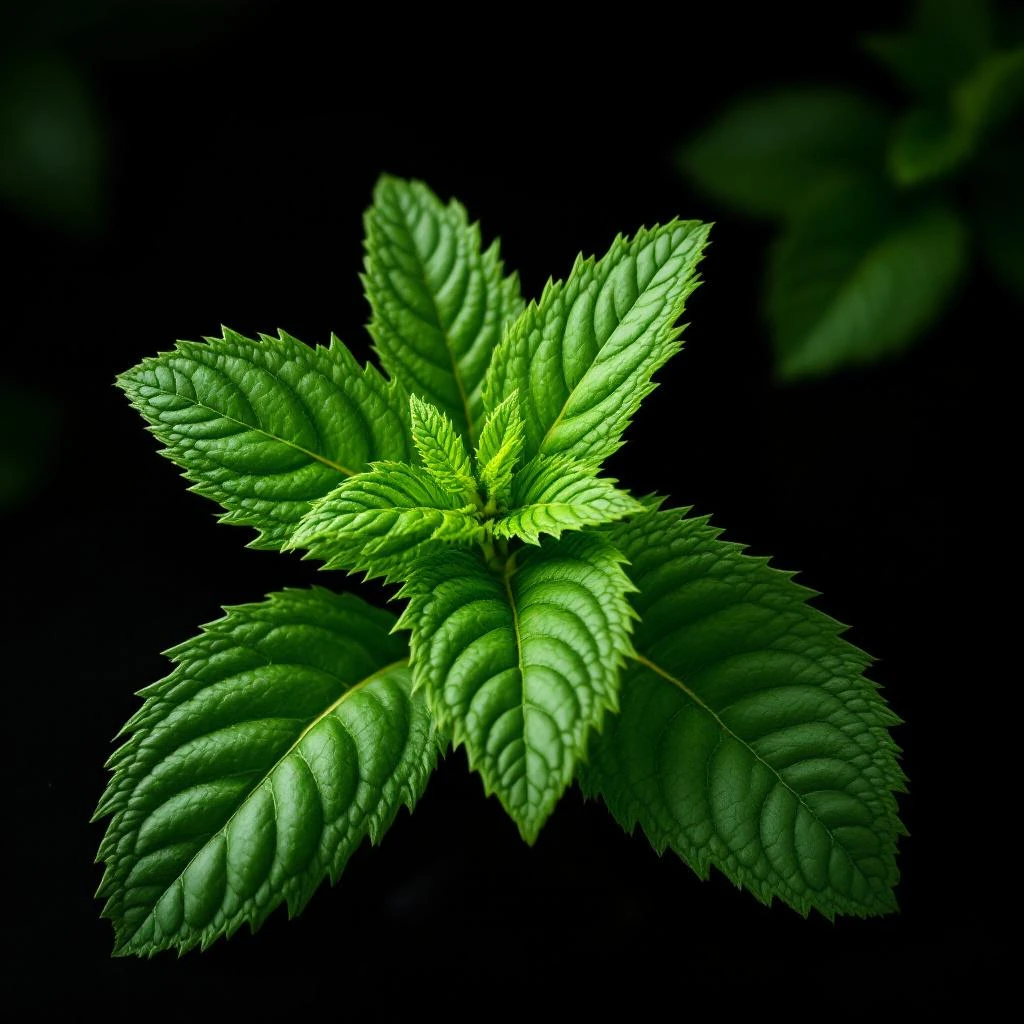
Shiso
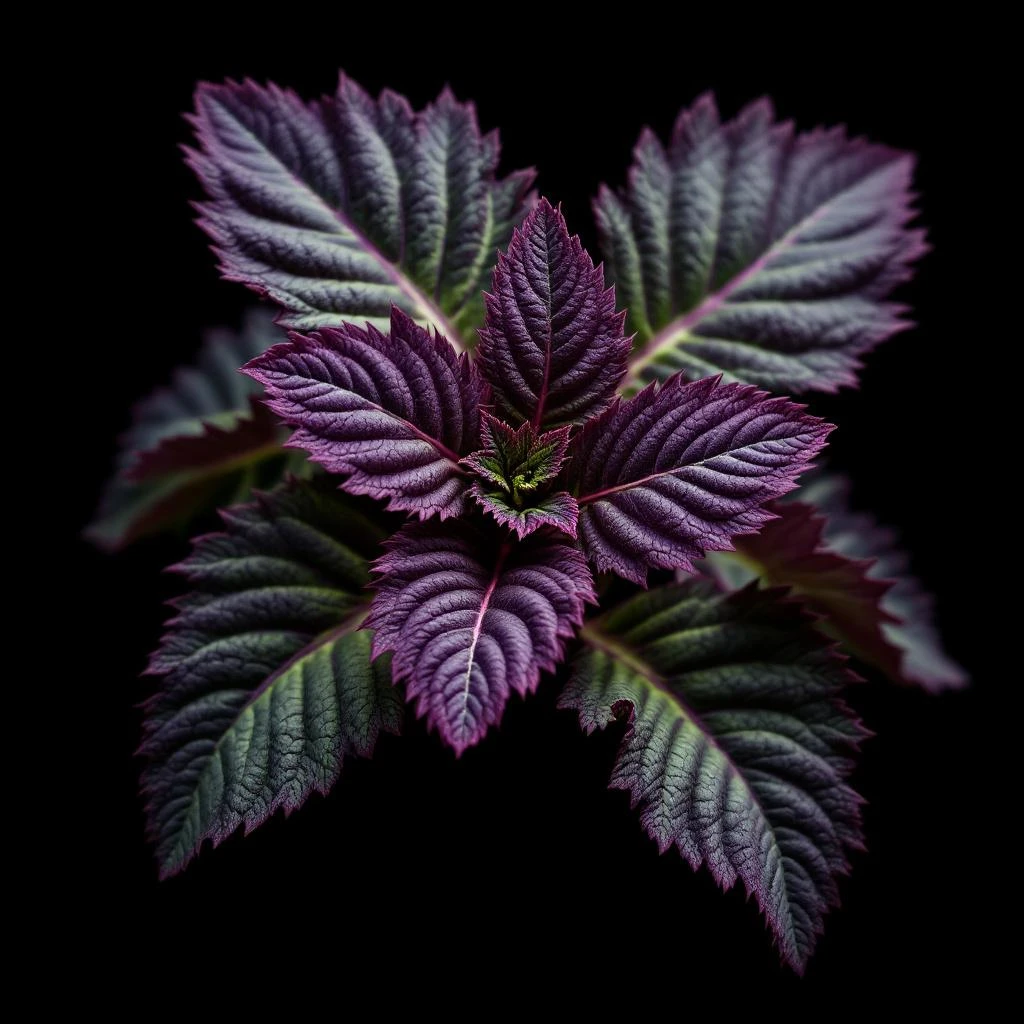
A prized Japanese herb with a complex aroma blending green, slightly peppery, and citrusy facets. Perilla frutescens brings an elusive freshness to modern perfumery that no Western herb can replicate.
Character
How it smells
The green leaf bridging culinary and olfactory worlds.
In Japan, shiso leaves are traditionally paired with sashimi—their natural antibacterial properties help neutralize fish odors while adding bright, herbal freshness.








Origin
Japan
Perilla frutescens has deep roots across East Asian cultures, with documented use spanning over a thousand years in China, Japan, and India. The plant is believed to have originated in the mountainous regions of southeastern China and the Himalayan foothills of India before spreading throughout East Asia. In Japan, shiso became central to culinary traditions, particularly in sushi preparation where its antimicrobial properties served both practical and aromatic purposes.
The herb exists in two primary cultivated forms: aojiso, the green variety used fresh in cooking, and akajiso, the red variety prized for its deeper color and slightly more astringent character. Its adoption as a perfumery ingredient represents a more recent phenomenon, gaining momentum as Western fragrance houses sought novel aromatic profiles rooted in Japanese botanical traditions.
Wears it best
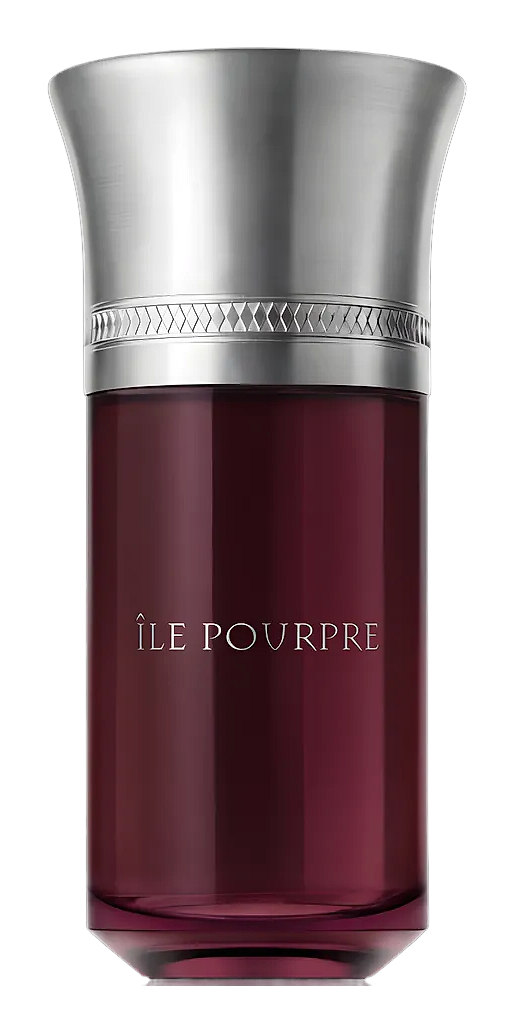
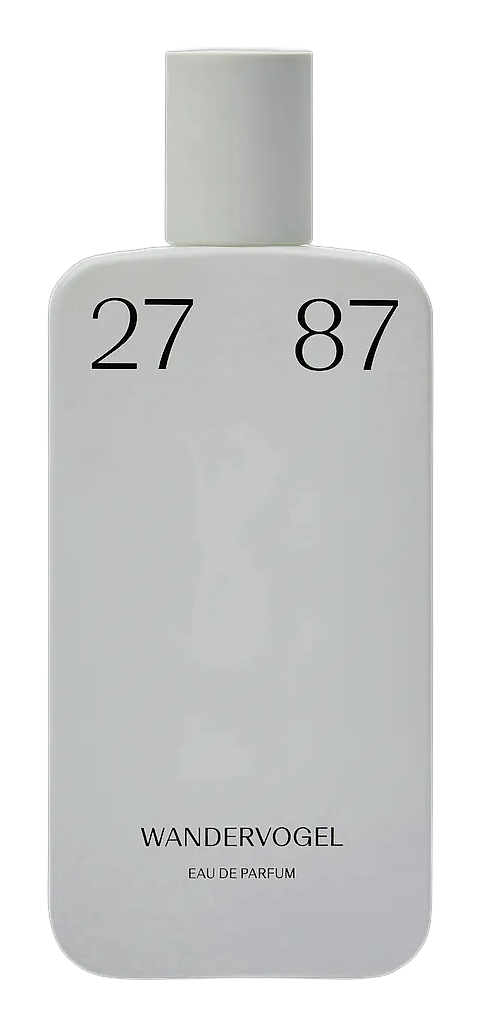
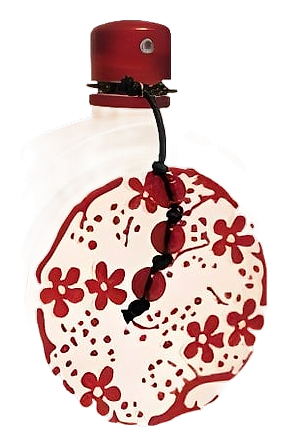
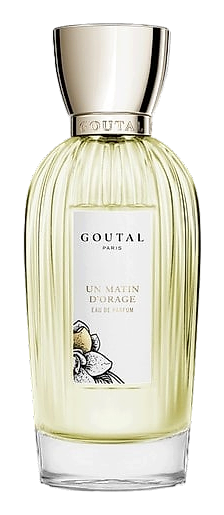
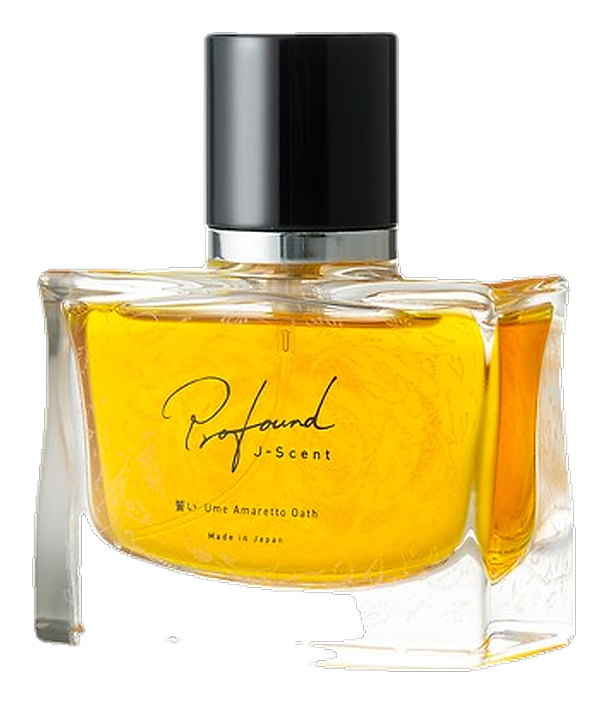
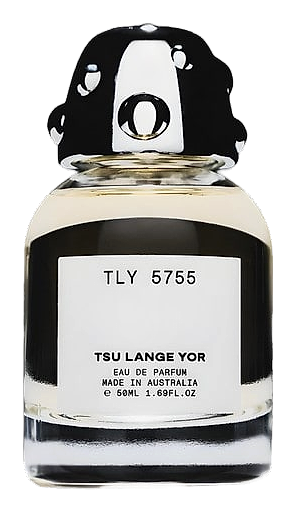
Fragrances featuring Shiso
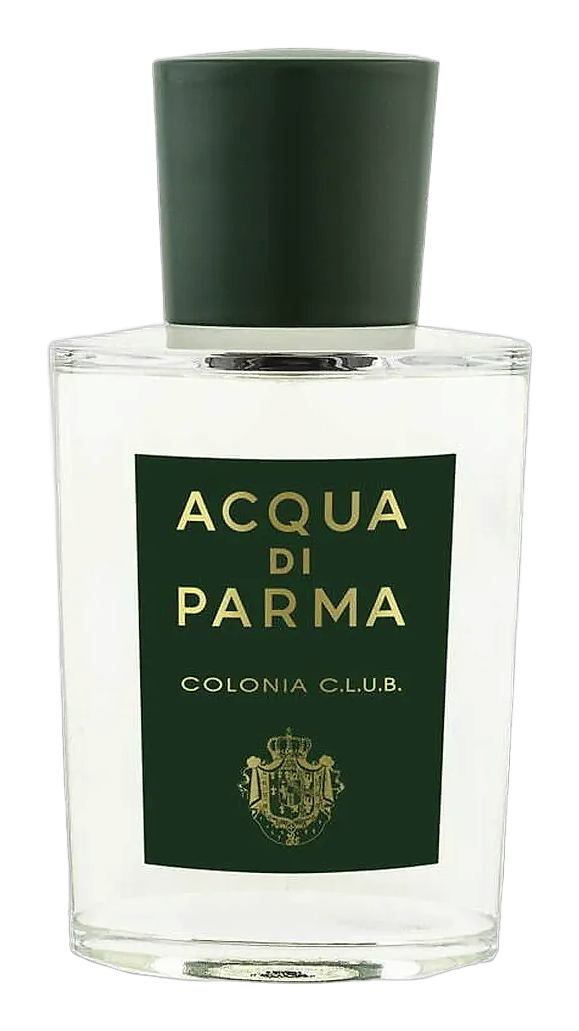
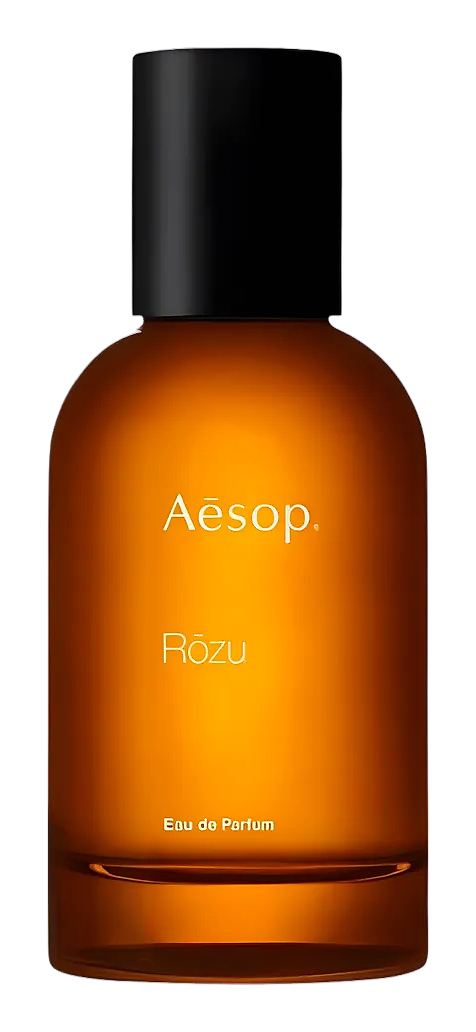
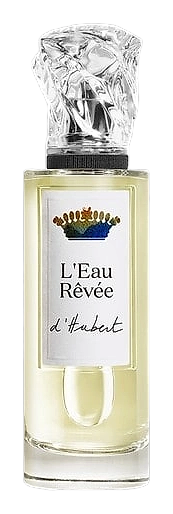
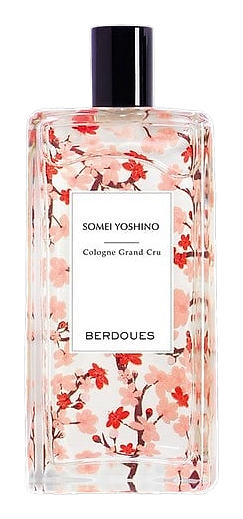
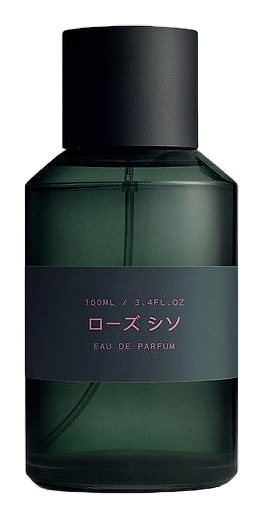
Brands
Brands known for Shiso
Good to know
Questions, answered
The essentials on Shiso in perfumery: how it smells, where it comes from, and how it behaves on skin.
What does shiso smell like?
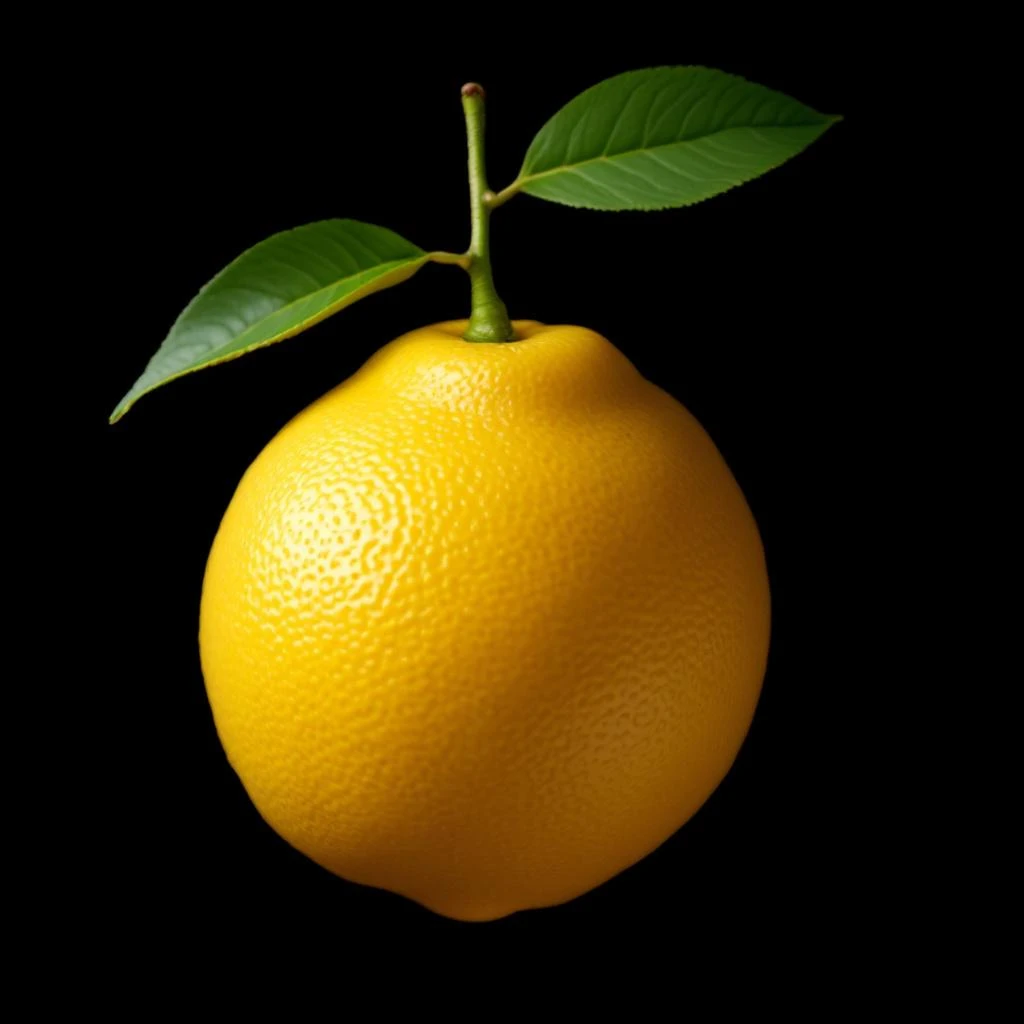
Shiso delivers a crisp, green aroma with peppery and slightly citrus nuances. Its complexity stems from perilla aldehyde, creating a fresh effect that stands apart from typical Mediterranean herbs.
Is shiso related to basil?
Yes, both belong to the Lamiaceae family. Despite sharing botanical kinship, shiso offers a distinctly different aromatic profile than its European cousin, with more herbaceous and less sweet characteristics.
Which shiso variety do perfumers use?
The green variety, called aojiso, serves perfumery most commonly. 'Aojiso' means green shiso in Japanese, with 'ao' meaning green, distinguishing it from the red akajiso variety.
What gives shiso its therapeutic properties?
Shiso contains rosmarinic acid, which exhibits natural anti-inflammatory and antioxidant properties. These compounds contribute to the oil's functional appeal beyond fragrance applications.
What chemicals define shiso's aroma?
Perilla aldehyde and perilla ketone serve as the primary aroma compounds. Together they create shiso's characteristic fresh, green, and slightly pungent olfactory signature.
What fragrance families pair well with shiso?
Shiso integrates seamlessly into green, aquatic, and citrus compositions. Its herbal quality also complements fougère and aromatic fragrances, adding contemporary Japanese sensibility.
Is shiso essential oil safe for skin use?
The oil requires careful dilution before topical application. Perilla ketone in high concentrations may pose risks, making proper dilution essential for safe cosmetic and fragrance use.
Why is Japanese shiso oil considered rare?
Small production volumes in Japan limit global supply. Authentic Japanese shiso oil remains difficult to source outside specialist suppliers, driving interest among collectors and perfumers.