
The Story
Why it exists.
The beginning
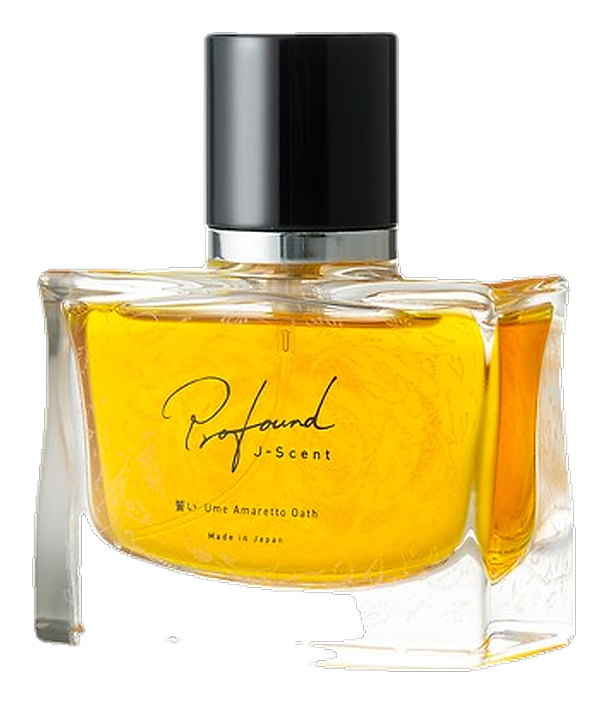
Ume, the Japanese plum, carries centuries of meaning in its skin. It has been preserved, fermented, and transformed across generations, appearing in vinegar, liqueurs, and winter sweets that mark the winter season. The fragrance Ume Amaretto Oath takes that ingredient and asks: what happens when ume meets something less restrained? The amaretto changes the equation. It adds warmth, sweetness, and a slight alcoholic bite that reads more late-night than afternoon. The oath in the name suggests something sworn, not whispered, a declaration with weight. The collision between these two worlds creates tension and release, the tartness of the plum finding balance against the caramelized depth of the liqueur. What emerges feels intentional rather than accidental, each note accountable to the next.
The collision of amaretto and dark chocolate is the structural gamble. Amaretto carries sweetness, warmth, and a boozy richness that could tip into cloying if unsupported. The dark chocolate counteracts that, bitter, deep, almost medicinal in its richness. With the chocolate present, the sweetness gets tension. Add the shiso and labdanum, and the composition has places to go. Shiso brings an aromatic, slightly minty green that cuts through the sweetness on first spray. Labdanum adds a leathery, balsamic depth that grounds the chocolate and keeps it from floating away.
The evolution
The opening is the boozy part. Amaretto announces itself without apology, the plum sweetness arriving seconds later to soften the alcohol into something more edible. The orange is brief, a flash of brightness before the florals take over. Jasmine appears, clean and slightly indolic, followed by mimosa and a rose that stays quiet but present. The chocolate doesn't arrive all at once. It builds. As the florals begin to recede, the dark chocolate emerges from underneath, warmed by amber and held down by patchouli. This is the drydown. It smells like the bottom of a tiramisu glass. It smells like a room after everyone's left and the candles are still burning. The patchouli and labdanum outlast everything else, close and resinous, lingering far longer than the initial impression. The progression moves from brightness to depth, from immediate impact to something that rewards patience.
Cultural impact
Ume (Japanese plum) has held symbolic importance in Japanese culture for centuries, representing resilience and the transient beauty of early spring. Umeshu, the plum liqueur made from steeped ume fruit, remains a beloved household drink and is often served on the rocks or with soda. The ume blossom appears in traditional contexts, celebrated in art and poetry that span generations. These cultural touchstones inform how the fragrance operates, taking familiar associations and reinterpreting them through an unexpected lens.