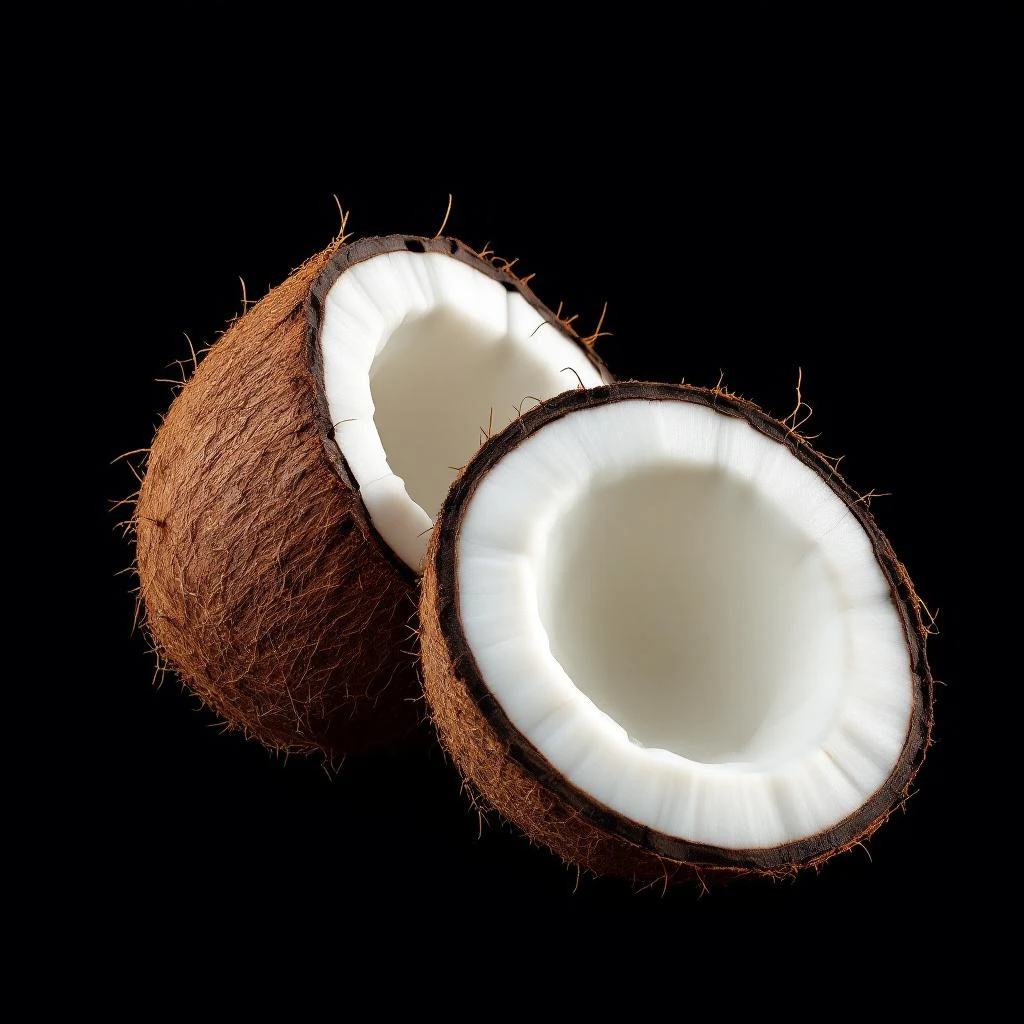
Red Plum
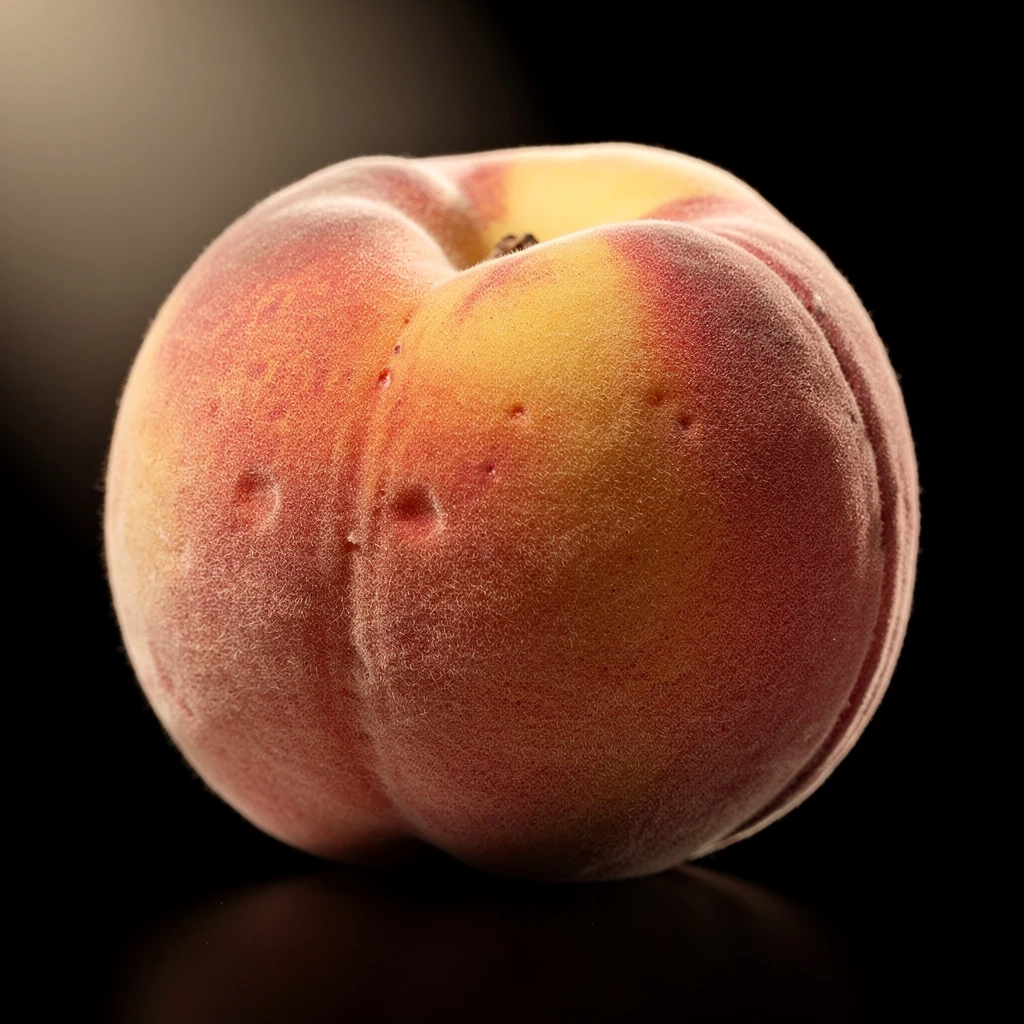
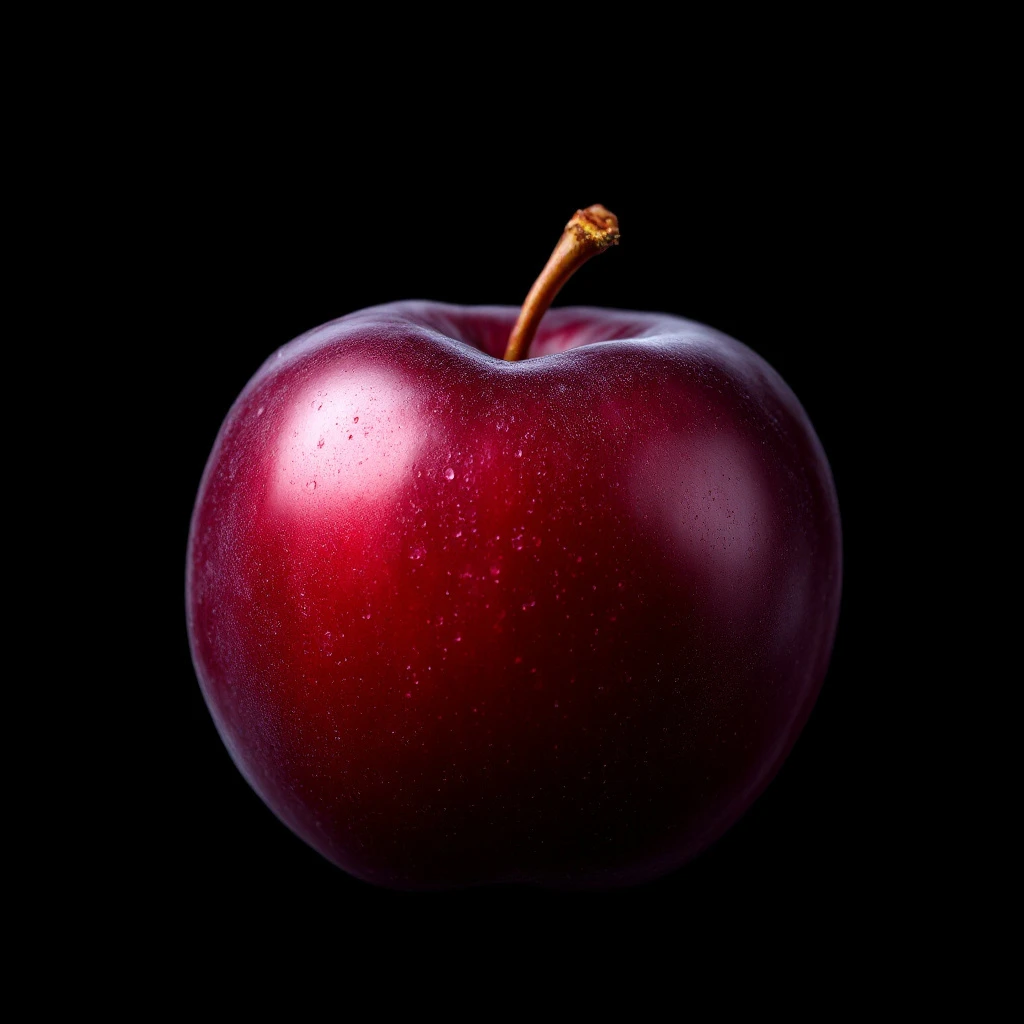
Red plum brings a velvety, jammy sweetness to fragrances. This rich fruit note captures the deep ripeness of ripe plums with dark, wine-like undertones that feel almost indulgent.
Character
How it smells
Velvety, jammy fruit captured in a bottle
Plum is one of the few fruit notes in perfumery that exists almost entirely as a lab creation.







Origin
China
Plums rank among the oldest cultivated fruits, with records dating back nearly 2,000 years in China. The fruit spread along ancient trade routes to Persia and the Mediterranean, where it became prized across European gardens. Roman texts mention plum cultivation, and the fruit appears prominently in medieval European cuisine as preserves and dried prunes.
Ancient civilizations used plum in preserved foods and traditional remedies, though perfumery applications came much later. The development of synthetic fragrance chemistry in the late 19th and early 20th centuries made plum a viable perfume ingredient for the first time. Before this breakthrough, perfumers lacked any reliable method to capture the fruit's distinctive aroma.
Today, plum notes appear in fragrances across Middle Eastern and Western perfumery traditions, often as a signature fruity heart note in women's and unisex compositions. Plum cultivation spans Europe, the Americas, and Asia, with major producers including China, Serbia, Romania, and the United States.
Wears it best
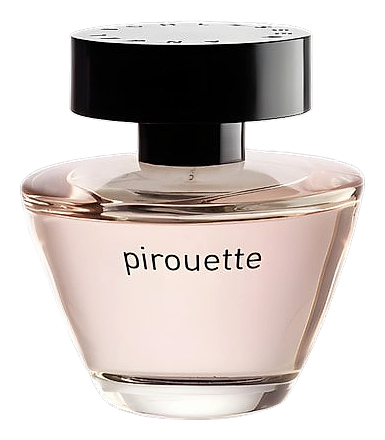
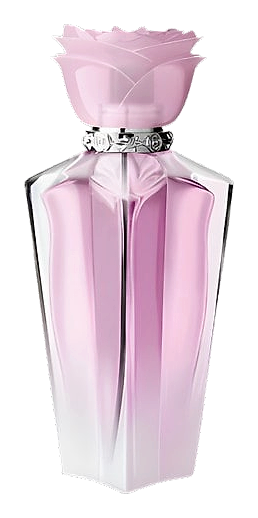
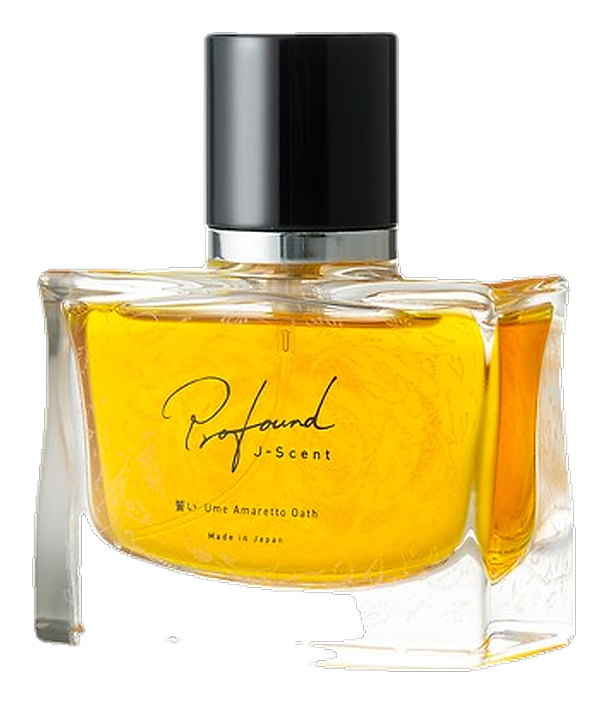
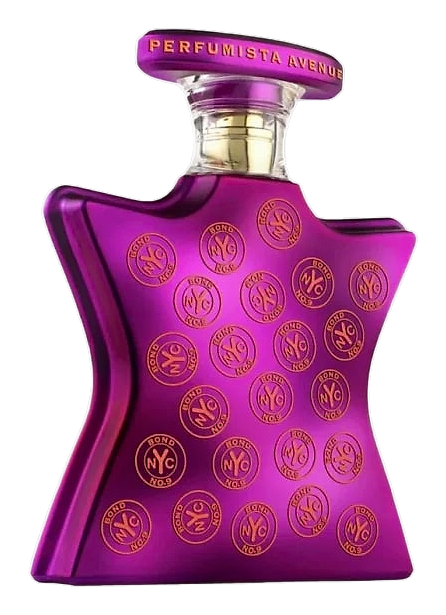
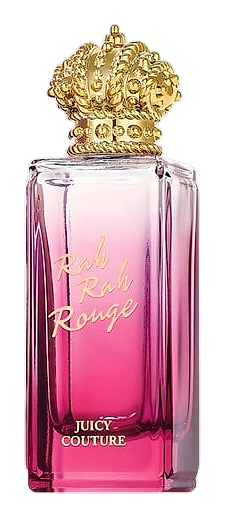
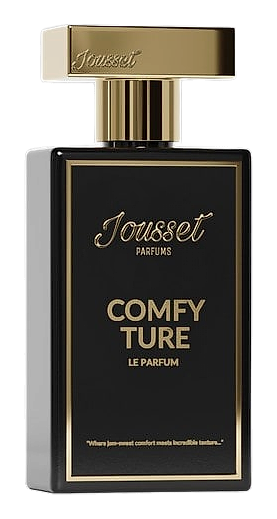
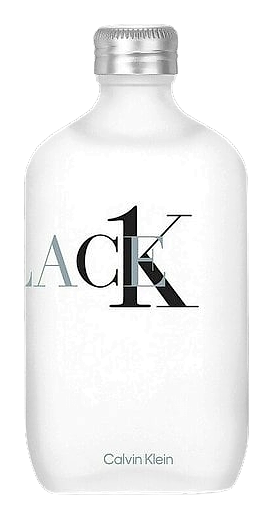
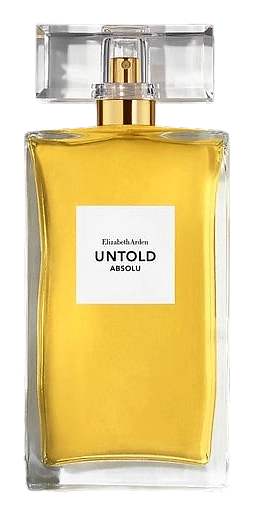
Fragrances featuring Red Plum
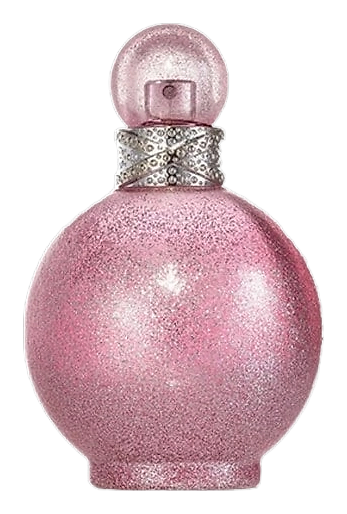
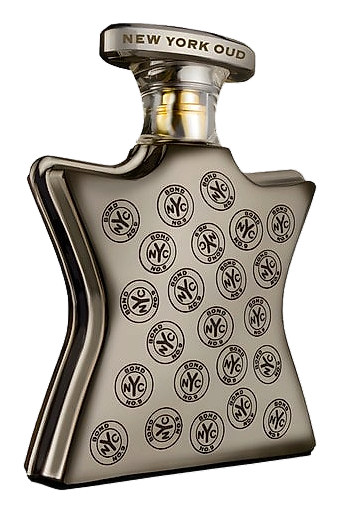
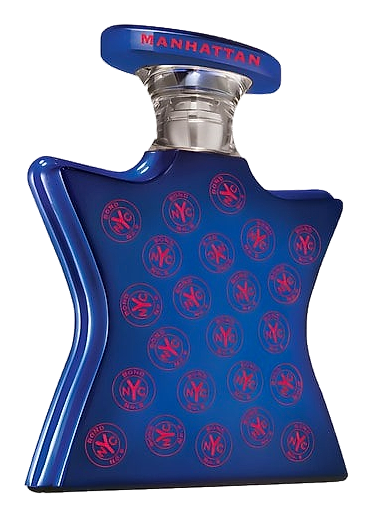
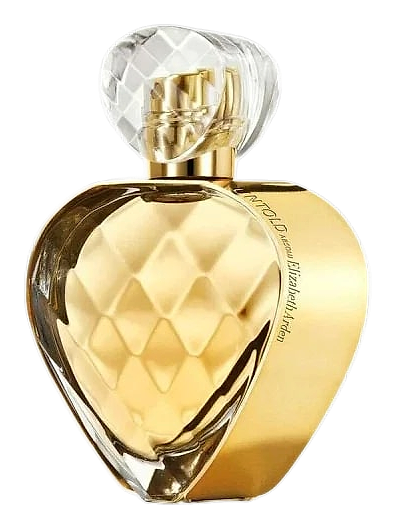
Brands
Brands known for Red Plum
Good to know
Questions, answered
The essentials on Red Plum in perfumery: how it smells, where it comes from, and how it behaves on skin.
Is natural plum oil used in perfumery?
No. Perfumers create plum accords from blends of synthetic molecules like aldehydes and lactones, because direct extraction from the fruit yields an unstable, ineffective material. This synthetic approach produces a consistent, high-quality note that captures the fruit's characteristic jammy sweetness.
What other ingredients pair well with plum in fragrance?
Plum combines naturally with rose and jasmine in florals, with vanilla and amber in orientals, and with sandalwood in woody compositions. These pairings enhance plum's natural richness and create complex, layered fragrance profiles.
Does plum smell different in various fragrance styles?
Yes. In bright chypres and florals, plum reads as fresh and jammy. In orientals and gourmands, plum becomes deeper and more wine-like, with darker, richer undertones that feel almost indulgent.
What gives plum its characteristic wine-like quality?
The wine-like quality comes from specific aromatic compounds like aldehydes, which add a fermented, slightly tart depth that mirrors the fruit's natural fermentation in prunes and wine.
What type of plum does perfumery typically reference?
Red plum is most common in fine fragrance, offering rich, jammy sweetness with dark undertones. Black plum appears in deeper, more resinous fragrances. Both types provide distinct aromatic profiles for different scent intentions.
How does plum function in fragrance construction?
Perfumers use plum as a heart note that adds richness and warmth to compositions. It works particularly well in oriental fragrances, where it anchors the composition, and in florals, where it adds depth and sweetness to the mid-palette.
What makes plum a challenging note to recreate?
Natural plum scent breaks down during extraction attempts, and no stable natural material exists for perfumery use. This technical limitation drove the development of synthetic plum accords that reliably reproduce the fruit's characteristic jammy, velvety aroma.
What regions cultivate plums for fragrance use?
While plums grow widely in China, Serbia, Romania, and the United States, perfumery relies on synthetic materials rather than natural extracts. Natural cultivation supports food industries and preserves traditions, but fragrance production depends on laboratory synthesis.