The Story
Why it exists.
The beginning
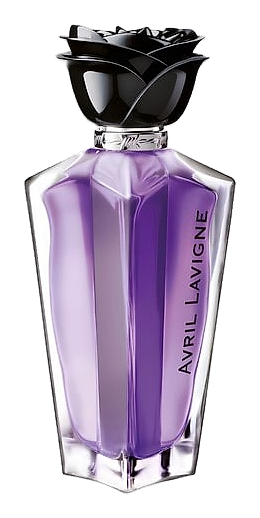
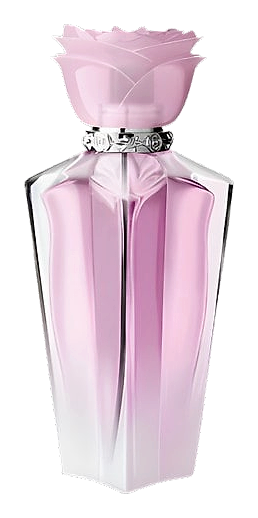
Wild Rose arrived in 2011 as the third and final fragrance in Avril Lavigne's partnership with Procter & Gamble Prestige Products. Following Black Star in 2009 and Forbidden Rose in 2010, the naming convention carried forward the elemental imagery that had defined the line, each fragrance anchored to a singular botanical or symbolic motif. Wild Rose chose the rose, though not in the way you might expect. The composition was built around sun-kissed fruits and tropical florals, designed for daily wear rather than evening occasions. It was the most casually positioned of the three releases, aiming for something you could reach for without occasion.
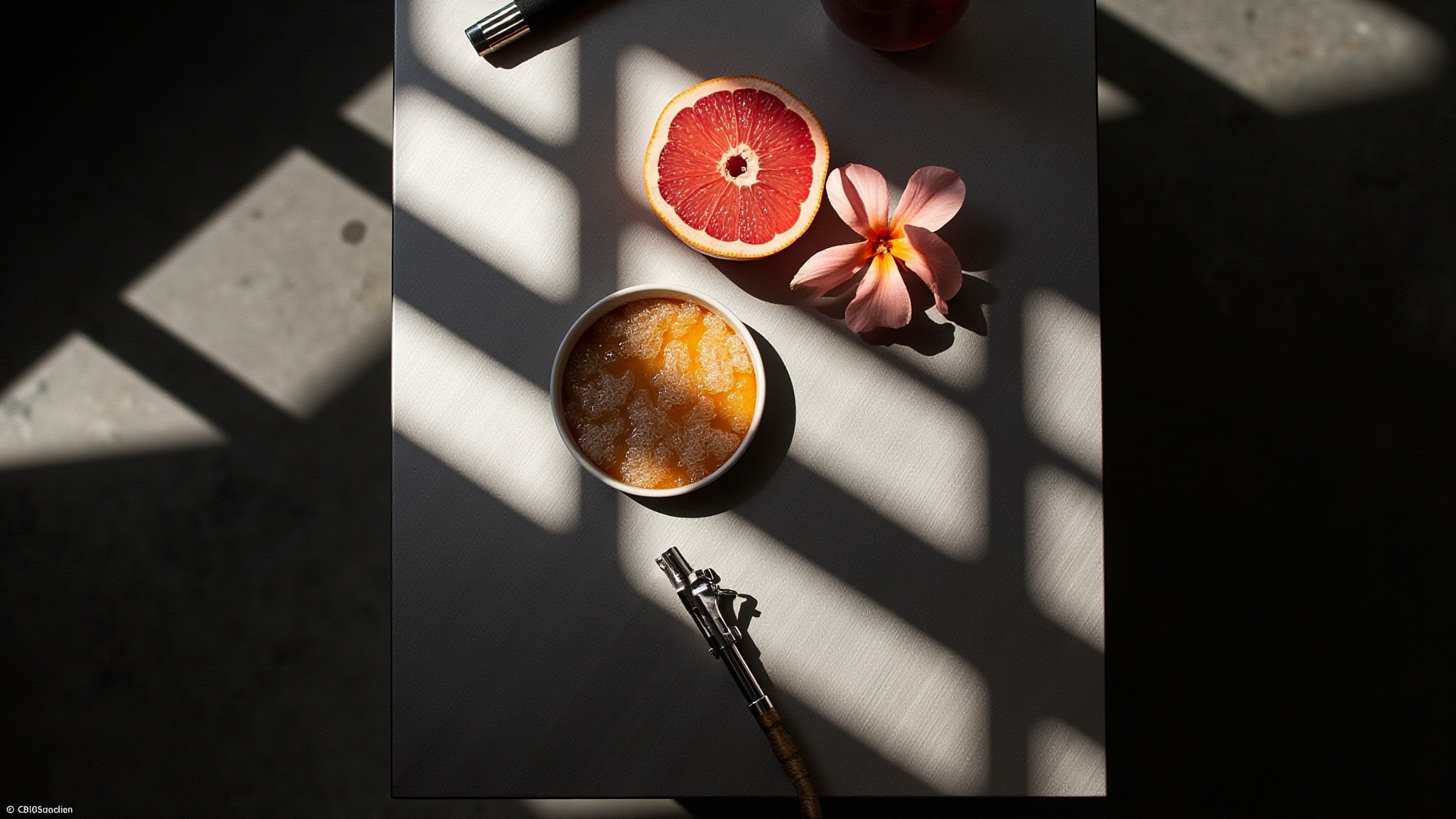
The note structure tells its own story. Mandarin, pink grapefruit, and red plum open with an immediate brightness, fruity, not floral. The heart introduces frangipani and blue orchid alongside African orange flower, but these function less as identifiable notes and more as a floral backdrop that keeps the composition soft. The real depth comes from the base: musk and sandalwood wrapped in crème brûlée, a combination that gives Wild Rose its signature lactonic warmth. The result is a fragrance that reads as sweet throughout its arc, never sharp, never animalic, never demanding. It's also worth noting what isn't there. Despite the name and the rose-shaped bottle cap, no actual rose appears in the pyramid.
The evolution
Wild Rose opens with citrus that announces itself immediately, mandarin and pink grapefruit firing at once, tart and clean. The red plum arrives within seconds, adding a jammy sweetness that softens the citrus without killing it. This opening phase lasts roughly fifteen to thirty minutes before the florals begin to assert themselves. The frangipani and blue orchid don't arrive as distinct waves. They blend in together, arriving as a vague tropical sweetness that extends the fruit rather than contrasting it. The transition is smooth but unremarkable, Wild Rose doesn't shift dramatically between phases. It simply softens. The drydown is where the fragrance finds its true character. Musk and sandalwood ground the composition while the crème brûlée emerges as a creamy, caramelized warmth that sits close to the skin. This is the phase that gets noted in reviews, the part that makes people reach for the bottle again. On most skin types, the full arc runs three to four hours.
Cultural impact
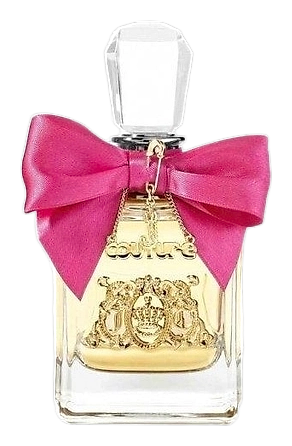
Wild Rose belongs to a specific moment in celebrity fragrance: the early 2010s, when celebrity scents were designed for accessibility and broad appeal rather than complexity. Avril Lavigne's line occupied a niche between the punk romanticism of her public image and the mass-market reality of a Procter & Gamble distribution deal. Wild Rose was the most casually positioned of the three releases, sweet, fruity, and easy to wear. It found its audience among younger wearers and those new to fragrance who wanted something pleasant without commitment. The the community community compared it to Viva La Juicy by Juicy Couture, though Wild Rose skews slightly less complex.