Heritage
A house, in its own words
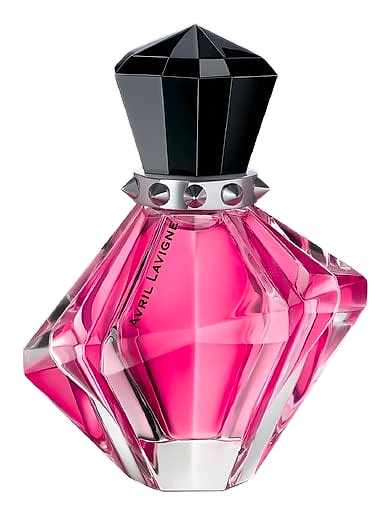
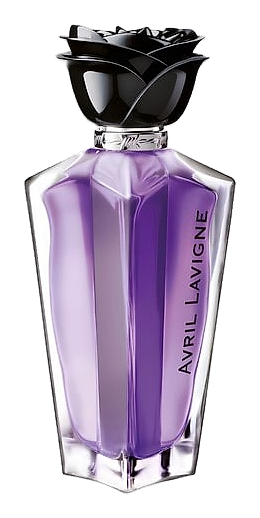
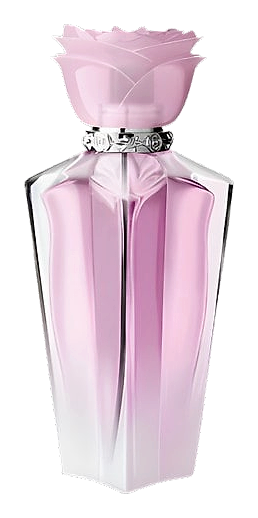
Avril Lavigne's entry into the fragrance market emerged from her established position in the mid-2000s music industry. Her debut album, Let Go (2002), achieved significant commercial success and helped define the pop-punk sound that dominated mainstream radio in the years that followed. Her second album, Under My Skin (2004), debuted at Number 1 and reportedly sold more than ten million copies worldwide, cementing her global profile. With that commercial foundation in place, Lavigne moved into lifestyle branding, signing with Procter & Gamble Prestige Products to develop her own fragrance line. The partnership placed her among a roster of celebrity endorsers that the company managed across its prestige beauty division. The first fragrance, Black Star, launched in mid-2009. The line expanded with Forbidden Rose in 2010 and Wild Rose in 2011. Lavigne's fragrance development reflected a broader trend of the era, in which recording artists leveraged their brand recognition to launch consumer products across beauty, fashion, and accessories categories. The partnership with Procter & Gamble gave her access to established formulation and distribution networks that would have been difficult to reach independently. The Avril Lavigne fragrance line appears to have drawn directly from the artist's public persona, translating thematic elements from her music and image into scent concepts. Black Star, the debut fragrance, referenced a symbol that recurred in her personal branding. The naming conventions across the three releases suggest an interest in elemental imagery and personal symbolism rather than a broad consumer appeal strategy. Lavigne reportedly sought to create products that aligned with her musical identity, using the fragrance medium to extend her artistic narrative beyond audio recordings. The partnership structure with Procter & Gamble meant that while Lavigne contributed her brand equity and creative direction, the actual formulation and production were managed by the company's fragrance development teams. This arrangement was standard for celebrity fragrance deals of the period, where artists provided the brand identity while the manufacturing partner handled technical execution. The line's discontinuation suggests that commercial performance did not sustain ongoing development, but the initial releases established a coherent aesthetic framework built around Lavigne's existing cultural associations.